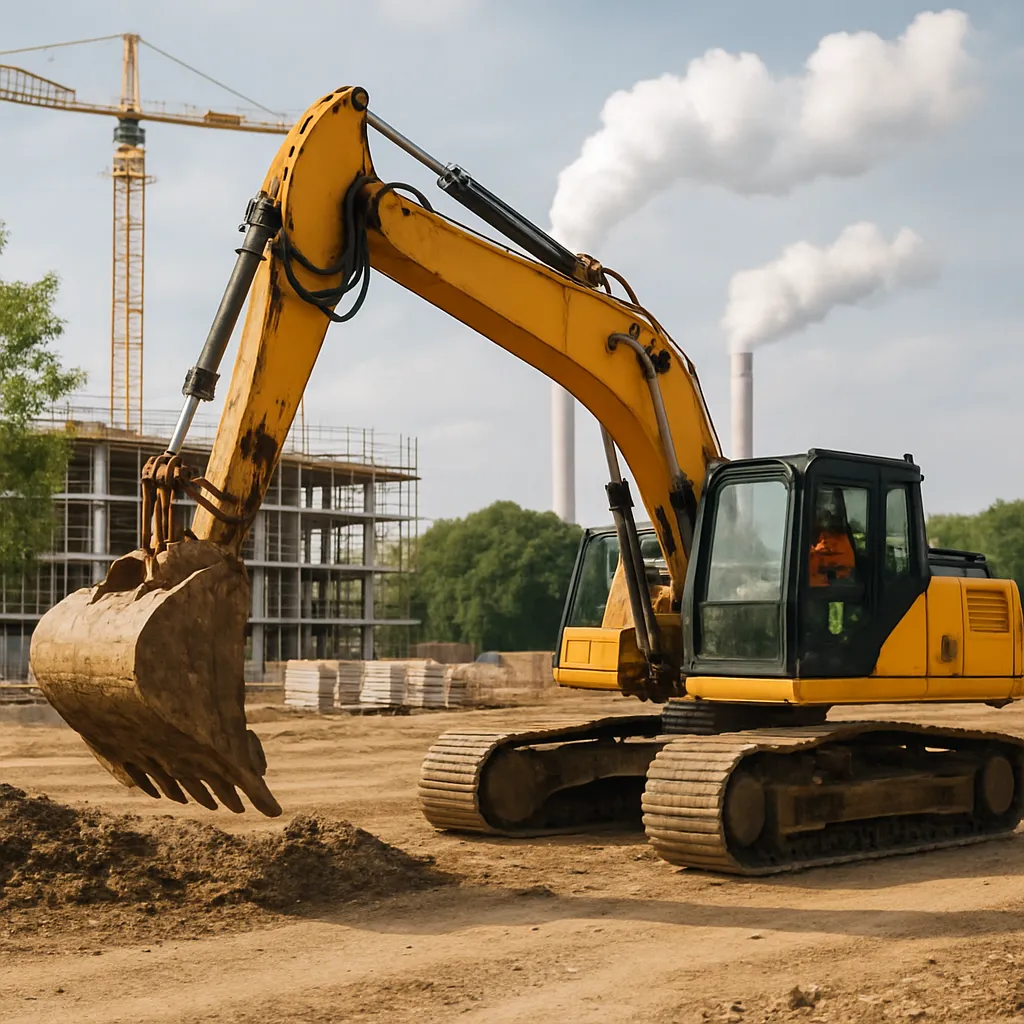
Integration of advanced machinery at construction sites is reshaping how large-scale projects minimize environmental impact while boosting productivity. Through the deployment of electrified equipment, automated control systems and data-driven analytics, the industry is moving toward a more resilient and resource-efficient future. This exploration delves into several key arenas where machines drive down carbon footprints and streamline operational workflows.
Electric and Hybrid Equipment Driving Sustainability
Recent developments in electrification have led to a new generation of excavators, loaders and cranes that operate without direct emissions. By replacing traditional diesel engines with electric motors or hybrid powertrains, construction firms can significantly cut greenhouse gas output during excavation, lifting and earthmoving tasks. This transition not only lowers fuel costs but also reduces the environmental impact of heavy machinery in dense urban areas where air quality is a critical concern.
Many modern electric machines feature regenerative braking systems and smart energy management platforms that optimize battery usage. Regeneration captures kinetic energy during descent or deceleration, storing it for later tasks. This approach enhances sustainability by minimizing grid dependence and extending operational hours on a single charge. Meanwhile, predictive maintenance algorithms signal upcoming service needs, preventing unplanned downtime and preserving resource efficiency.
Integration with renewable energy sources at job sites—such as portable solar arrays or wind generators—further boosts overall efficiency. By connecting charging infrastructure to clean power supplies, companies can operate heavy equipment with near-zero upstream emissions. This combination of technologies paves the way for carbon-neutral construction zones where energy flows are closely monitored and adjusted in real time.
Electric machinery also delivers quieter performance, reducing noise pollution and improving worker safety. Lower sound levels can diminish on-site stress and fatigue, leading to a more resilience-oriented workforce. At the same time, integrated telematics systems allow project managers to track machine utilization, pinpoint idle periods, and reassign assets dynamically to maintain a constant workflow.
Beyond operational gains, the lifecycle impact of electric equipment offers additional eco benefits. Manufacturers are increasingly adopting modular designs that simplify component replacement and recycling. Spare parts can be swapped out without scrapping entire units, supporting circular economy principles and optimization of material usage throughout the machine’s service life.
Robotics and Automated Precision on Construction Sites
Advancements in automation now enable robotic arms, drones and autonomous vehicles to perform highly repetitive or hazardous tasks with exceptional accuracy. From bricklaying and welding to overhead inspections, robots can take on roles that once posed safety risks or required extensive manual training. This shift reduces the carbon intensity of labor-intensive operations by accelerating cycle times and fine-tuning material placement.
Benefits of Robotic Equipment
- Enhanced quality control with consistent output
- Reduced waste through exact application of materials
- Improved worker safety by relocating personnel away from danger zones
- Lowered energy consumption per unit of work
- Seamless integration with digital planning tools
Drones equipped with lidar scanners and high-resolution cameras generate three-dimensional site maps in minutes, replacing multiple hours of manual surveying. These aerial machines help project teams identify areas of under- or over-excavation, adjust grades, and manage resource allocation more precisely. By avoiding excess digging or filling, operations conserve aggregates and minimize truck trips, which directly lowers fuel consumption and related emissions.
On the ground, autonomous haul trucks can shuttle materials along predefined loops, operating continuously without breaks. Optimized route planning algorithms maintain steady speeds and avoid unnecessary acceleration or braking. With integrated sensors and obstacle-detection systems, these vehicles can safely navigate dynamic work environments, ensuring smooth traffic flow and reducing idling times.
Robotic bricklaying systems demonstrate another dimension of site productivity. Programmable units can install hundreds of bricks per hour, adhering strictly to architectural plans. The reduction in mortar waste and rework translates into both cost savings and a measurable decline in embodied carbon associated with material transport and mixing. Each precise movement reflects a broader commitment to precision-driven building standards.
Smart Materials Handling and Waste Reduction
Efficient handling of construction materials is vital for lowering project emissions. Automated sorting stations paired with conveyor systems can separate wood, metal, concrete and plastics on-site, accelerating salvage and recycling processes. Equipment outfitted with sensor arrays assesses material quality in real time, redirecting intact elements for reuse and routing contaminants to appropriate disposal channels.
Modular machine designs support modularity in construction, enabling prefabricated components to be manufactured off-site under controlled conditions. This approach trims waste by improving assembly line consistency and shielding materials from weather damage. When modules arrive at the job site, they fit together with minimal cutting or reshaping, preserving raw material integrity and curbing scrap volumes.
Innovations in 3D printing have begun to influence how concrete formworks and façade elements are produced. By extruding precise layers of cementitious material only where needed, printers create structural components with less leftover mixture and additives. This technique not only reduces the carbon embedded in cement production but also shortens the supply chain, as printers can operate directly at construction locales.
Integrated software platforms monitor material inventories, schedule deliveries just in time and allocate leftovers to upcoming phases of the project. Such coordination prevents overordering and storage inefficiencies, contributing to broader efforts around innovation in resource management. Digital twins—virtual models of entire construction workflows—enable stakeholders to simulate scenarios, explore design alternatives and preemptively eliminate waste hotspots.
Efforts to implement closed-loop material reuse intensify as on-site crushers and pulverizers break down rubble into reusable aggregates. Temporary processing units can transform demolition debris into fill for landscaping, non-structural backfill or roadbeds. By recycling on site, companies sharply diminish transport distances, cutting both fuel consumption and carbon emissions from heavy-duty trucks.