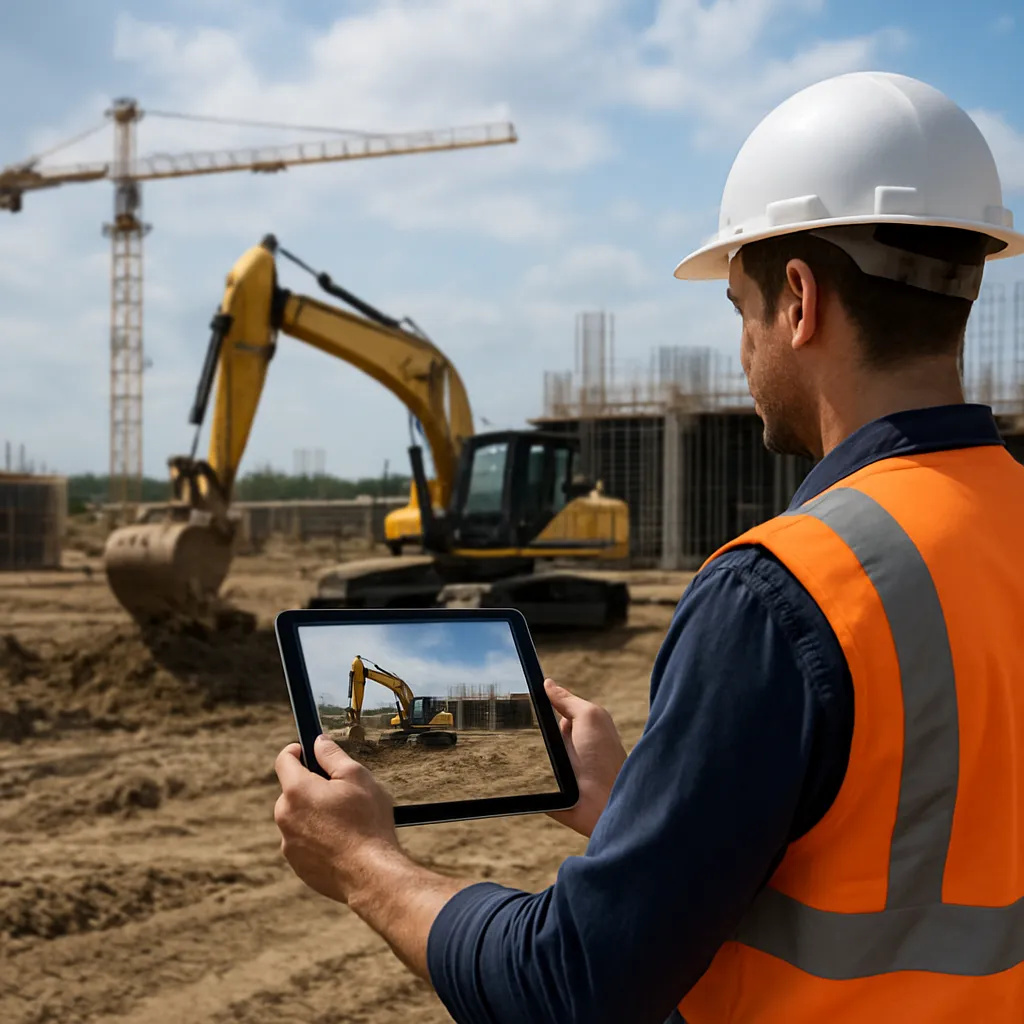
The construction industry is undergoing a profound transformation as innovative technologies redefine how heavy equipment operates on sites around the world. From towering cranes to bulldozers, machines at work have become increasingly remote-controlled and interconnected, unleashing new levels of efficiency and precision. This article explores the technological breakthroughs, practical applications, and emerging trends shaping The Future of Remote-Controlled Construction Sites.
Advancements in Remote-Controlled Machinery
Early attempts at remote operation relied on simple radio controls, but today’s systems harness cutting-edge communication networks and sophisticated interfaces. Modern remote-controlled equipment synchronizes human commands with machine responses in milliseconds, delivering unprecedented accuracy and responsiveness. Key technological pillars include:
- Automation platforms that integrate onboard processors to execute repetitive tasks autonomously, such as grading or earthmoving.
- High-bandwidth communication links enabling operators to control multiple pieces of equipment from a single command center.
- Fail-safe protocols and redundant systems that ensure continuous operation even if one component malfunctions.
Evolution of Teleoperation Interfaces
Early teleoperation systems featured simple joysticks and buttons. Today’s control stations mimic the cockpit of a modern aircraft, complete with multi-axis joysticks, haptic feedback, and high-resolution video feeds. Operators don wearable displays or use multi-screen consoles that present a 360-degree view of the site, enhancing situational awareness and reducing latency in decision-making.
Advanced Sensor Integration
Thanks to a network of laser scanners, LIDAR arrays, and thermal cameras, remote-controlled machines can perceive their surroundings in fine detail. These sensors feed real-time data to both operators and onboard algorithms, enabling equipment to:
- Navigate complex terrain without human intervention.
- Automatically adjust blade angles or bucket tilt based on soil composition.
- Detect obstacles and hazards before they pose a risk to operations.
Integration of AI and Data Analytics
Artificial intelligence and data analytics form the backbone of intelligent construction sites. By analyzing vast streams of information from machines, weather stations, and site management software, AI systems identify patterns and optimize workflows. Major benefits include:
- Predictive maintenance schedules that reduce downtime by forecasting component wear and tear.
- Dynamic resource allocation, which assigns machines to tasks based on real-time priorities.
- Performance benchmarking, allowing project managers to compare productivity across shifts or locations.
Machine Learning for Task Optimization
Machine learning models examine historical operation data to refine machine movements and reduce fuel consumption. Over time, these systems learn the most efficient digging paths, material handling sequences, and optimal machine parameters. The result is a continuous cycle of innovation and improvement.
Digital Twins and Virtual Simulations
Digital twins—virtual replicas of physical machines and site layouts—enable engineers to test scenarios before implementing changes in the real world. By simulating different load conditions, weather scenarios, and task sequences, project teams can identify bottlenecks and intervene proactively. This virtual environment also serves as a training ground, as new operators can practice in a risk-free setting.
Safety, Sustainability, and Workforce Transformation
Remote-controlled sites promise substantial gains in safety by distancing human operators from hazardous zones. In addition, these systems promote greener practices and redefine the roles of construction workers:
Enhanced Workplace Safety
- Operators are relocated to secure control centers, eliminating exposure to falling debris or dangerous machinery.
- Automatic shutdown protocols engage if a machine detects an imminent collision or structural instability.
- Wearable trackers and geofences monitor personnel movement, ensuring no one inadvertently enters the machine’s operational radius.
Environmental Sustainability
- Precision grading and excavation minimize soil displacement and reduce the need for rework, lowering overall carbon emissions.
- Intelligent fuel management systems optimize engine usage, cutting greenhouse gas output by aligning power needs with actual workload.
- Integration of electric and hybrid drivetrains further decreases reliance on fossil fuels, improving air quality around construction sites.
Shifting Roles and Skillsets
The rise of remote operation transforms traditional construction jobs. Key changes include:
- Technicians evolve into connectivity specialists who maintain communication networks and troubleshoot control systems.
- Data analysts compile and interpret machine logs to guide strategic decision-making.
- Operators become multi-machine supervisors, overseeing fleets of robots and autonomous vehicles through centralized dashboards.
Challenges and Future Horizons
Despite remarkable progress, several hurdles remain before fully remote-controlled construction becomes ubiquitous:
- Network Reliability: Maintaining uninterrupted, low-latency connections in remote or urban canyons is critical.
- Cybersecurity: Protecting machines from hacking attempts requires robust encryption and constant monitoring.
- Regulatory Frameworks: Authorities must update safety codes and liability standards to reflect remote operations.
Emerging Technologies on the Horizon
Researchers are exploring edge computing to process data directly on machines, reducing dependence on distant servers. Swarm robotics—multiple small robots collaborating on tasks—could redefine site logistics and material transport. Additionally, the integration of augmented reality overlays in control centers may further streamline operator interactions, merging live video feeds with real-time diagnostic data.
Pathways to Widespread Adoption
For remote-controlled construction sites to take hold globally, industry stakeholders must:
- Invest in robust training programs that blend hands-on machine experience with virtual simulation exercises.
- Forge partnerships between equipment manufacturers, telecom providers, and software firms to deliver turnkey solutions.
- Advocate for policy incentives that encourage companies to pilot remote and automated machinery on public infrastructure projects.
As machines at work continue to evolve, the construction industry stands on the brink of a new era defined by robotics, connectivity, and data-driven decision-making. Adaptation and collaboration will be key to unlocking the full potential of remote-controlled construction sites, paving the way for safer, more sustainable, and highly productive operations.