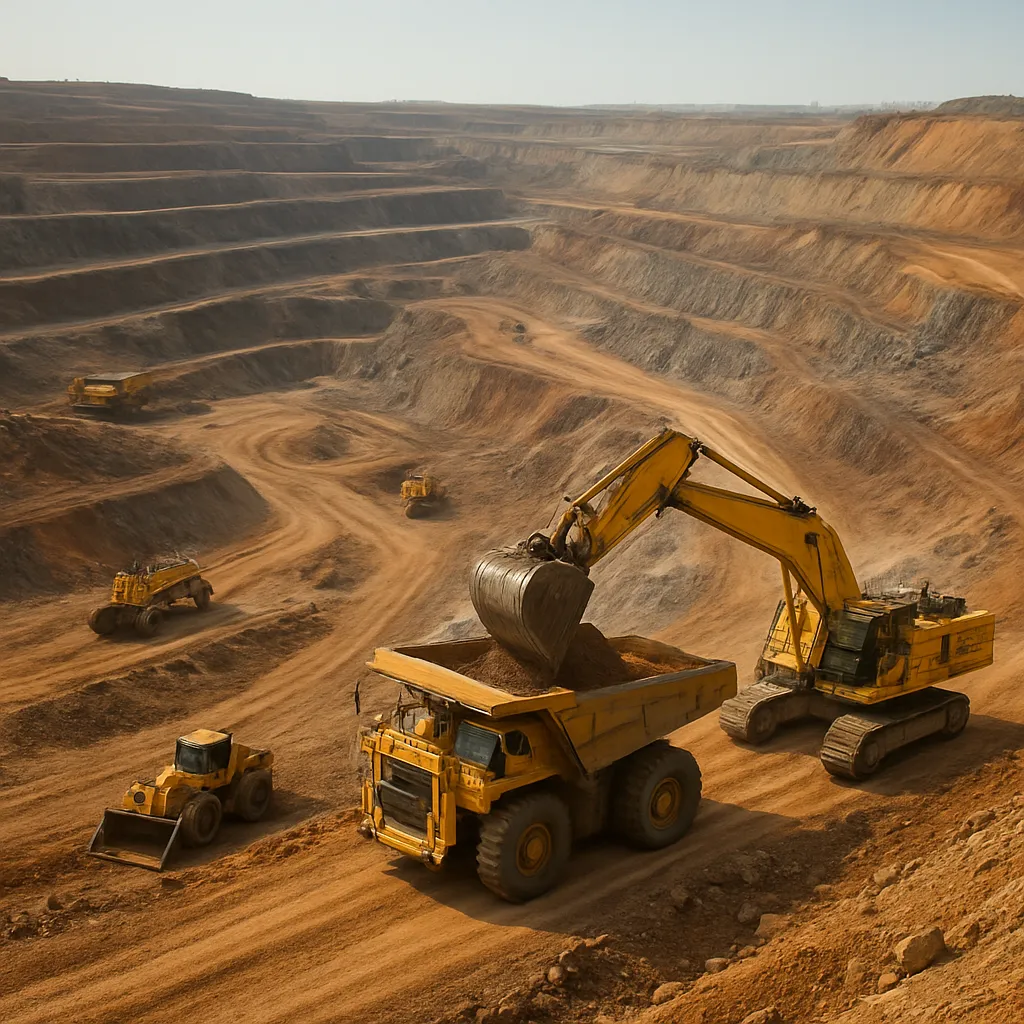
The saga of mankind’s grandest earthmoving endeavors unfolds through the tale of massive machines carving mountains, dredging channels, and reshaping continents. From the mammoth bucket-wheel excavators of open-pit mines to the precision-guided dredgers deep beneath coastal waters, these projects stand as monuments to human ambition, engineering prowess, and the relentless pursuit of progress. Explore how cutting-edge equipment, groundbreaking technologies, and visionary planning come together to redefine landscapes on an epic scale.
Monuments of Earthmoving: Giants on the Move
Few undertakings rival the scale of the world’s largest excavation sites. Whether it’s creating a waterway that slashes thousands of miles off sea routes or mining coal in an open-pit the size of small cities, these operations depend on an array of heavy-duty machines designed for maximum Efficiency and unprecedented capacity.
- Bucket-wheel excavators: Towering over 200 feet high, these behemoths can remove more than 240,000 cubic meters of overburden each day. They dominate the coal mines of Europe and Asia, where continuous digging is essential.
- Draglines: With booms extending up to 350 feet, these giants scoop tens of thousands of tons of material in a single cycle. Their massive buckets and high tensile cables redefine the limits of gravity and leverage.
- Giant trucks: Hauling capacities surpassing 400 tons per load, these ultra-class trucks traverse rough terrain, ferrying ore and spoil across vast distances with robust suspension and powertrains generating over 2,000 horsepower.
- Dredgers: Equipped with cutter heads, suction pumps, or trailing suction pipes, modern dredgers excavate sediment underwater, maintaining critical shipping channels such as the Panama and Suez Canals.
- Bulldozers: These armored pushers, some weighing over 200 tons, grade surfaces, build haul roads, and manage the incessant flow of earth by using high-traction tracks and interchangeable blades for coarse ripping or fine leveling.
Historic marvels like the Three Gorges Dam in China, the expansion of the Suez Canal in Egypt, and the turn-of-the-century Panama Canal project demanded a synchronized ballet of Excavators, dredgers, and scrapers. Each machine—no matter its shape—plays a pivotal role in forging the arteries of global trade and harnessing natural resources.
Pioneering Technologies Driving the Excavation Revolution
Modern earthmoving transcends brute force. It harnesses digital intelligence, advanced materials, and eco-conscious design. Integrating Automation and remote control, these operations now achieve levels of safety, precision, and productivity once deemed unattainable.
Automation and Remote Operation
Today’s flagship projects deploy driverless Scrapers and autonomous haul trucks guided by GPS and LiDAR sensors. Control centers hundreds of miles away can monitor and manage fleets in real time, optimizing routes to minimize idle time and fuel consumption. Human operators shift into supervisory roles, focusing on strategy and maintenance diagnostics rather than joystick manipulation.
Environmental Monitoring and Precision Planning
High-resolution satellite imagery and drone surveys feed into AI-driven planning tools, creating 3D models of terrains that update daily. This continuous data stream enables engineers to forecast soil stability, predict water inflow, and sequence excavations for minimal ecological disturbance. By applying Precision grading techniques, projects can reduce material waste by up to 30% and limit carbon footprints.
Advanced Materials and Additive Manufacturing
Structural components for booms and blades now use ultra-high-strength steel alloys and specialized coatings that resist abrasion. In-field 3D printing of replacement parts ensures critical machinery faces minimal downtime. Rapid-prototype testing of new hydraulic fittings shortens development cycles, driving Innovation in equipment design.
Impact and Legacy of Earthmoving Projects
The scale of these endeavors guarantees profound effects on society, economies, and ecosystems. While they unlock new trade routes and resource supplies, they also raise questions about environmental stewardship, community displacement, and long-term sustainability.
Socioeconomic Transformations
- Employment surges in remote regions bring infrastructure—roads, hospitals, and schools—fueling local growth.
- Enhanced global connectivity via expanded canals reduces shipping times, driving down costs for everything from commodities to consumer electronics.
- Revenue from resource extraction funds national development projects, though it can also create dependencies on volatile commodity markets.
Balancing Progress and Conservation
Environmental impact assessments now play a critical role long before a single blade touches the soil. Restoration plans mandate reforestation, wetland reconstruction, and continuous water-quality monitoring. Landmark projects increasingly incorporate renewable energy sources—solar microgrids powering operation camps, electric-drive haul trucks, and waste heat recovery systems in equipment shops—to align with global goals for Sustainability.
Partnerships with indigenous communities and environmental NGOs produce collaborative stewardship models. Traditional knowledge helps identify culturally significant areas, while regulators enforce strict reclamation bonds ensuring sites are rehabilitated to safe, productive conditions after operations end.
Shaping the Future of Infrastructure
As the world’s appetite for minerals, metals, and efficient transit corridors grows, the next generation of earthmoving machines will be smarter, greener, and more resilient. From hybrid-electric propulsion to modular robot swarms capable of cooperative digging, the horizon promises an era where raw power and digital finesse unite to craft the planet’s next great transformation.