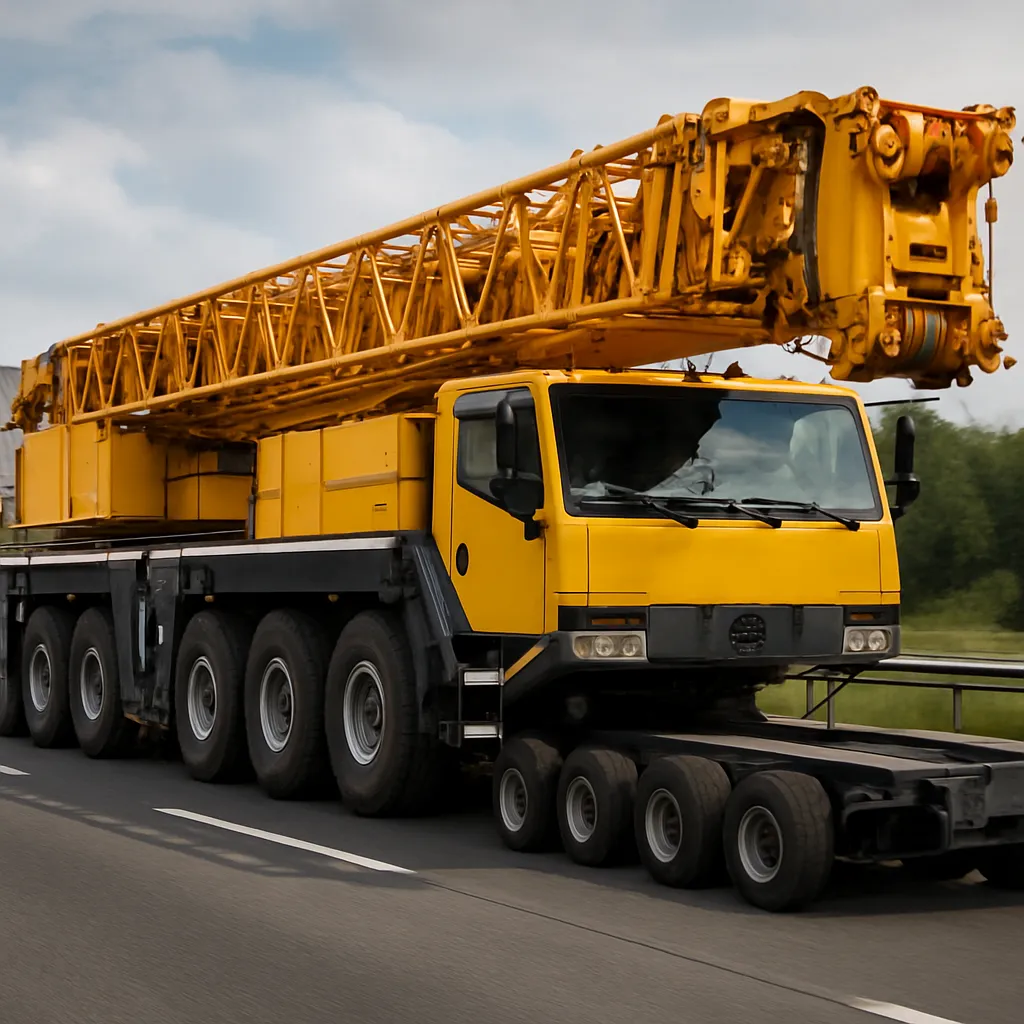
From urban skyscrapers to vast bridge-building ventures, the realm of machines at work drives the progress of modern infrastructure. Understanding the mechanics and logistics behind these giants offers a glimpse into the ingenuity of human achievement. This article delves into the remarkable world of heavy equipment, with a particular focus on the largest mobile cranes, their design marvels, and the complex process of moving them between job sites.
Evolution of Heavy Machinery in Construction
The journey of heavy machinery began with simple steam-powered engines in the 19th century, gradually evolving into the sophisticated mobile units we see today. Initially, construction sites relied on manual labor and rudimentary tools. As projects grew in scale, the demand for powerful and precise equipment intensified. The introduction of hydraulic systems revolutionized the industry:
- Hydraulic Excavators: Offering superior digging force and versatility.
- Crawler Cranes: Providing stability on uneven terrain with tracks.
- Mobile Cranes: Combining mobility with impressive lifting capacity.
Advances in materials science, such as high-strength steel and composite components, have contributed to lighter yet stronger frames. Electronic control systems deliver pinpoint accuracy, while onboard diagnostics ensure reliable performance under strenuous conditions. These innovations have collectively elevated construction timelines and safety standards.
Design and Capabilities of the Largest Mobile Cranes
When discussing the giants of the crane world, several models stand out due to their immense lifting capacities and reach. These cranes demonstrate the pinnacle of engineering and are vital for erecting towering structures and installing heavy modules:
Key Specifications
- Lifting Capacity: Often exceeding 3,000 tonnes.
- Maximum Boom Length: Extending beyond 100 meters.
- Hydraulic Jib Options: For additional reach and flexibility.
- Counterweight Configurations: Balancing massive loads with precision.
One noteworthy example is a mobile lattice boom crane that can hoist over 4,000 tonnes, commonly used in power plant installations. Its telescopic boom sections nest compactly for travel but extend to monumental lengths on-site. Stability is ensured by massive outriggers that distribute weight evenly and prevent tipping.
In addition to raw power, modern mobile cranes incorporate features such as:
- Remote Control Operation: Allowing operators to work from a safe distance.
- Load Moment Indicators: Continuously assessing the crane’s performance limits.
- Real-Time Telemetry: Monitoring vital parameters like pressure and temperature.
Logistics of Transporting Gigantic Equipment
Moving a mobile crane from one site to another is akin to orchestrating a complex ballet of logistics. Due to their size and weight, specialized planning and support vehicles are required. The process typically involves:
- Disassembly: Breaking down the crane into transportable modules, such as boom sections, counterweights, and chassis.
- Heavy Haulage: Using multi-axle trailers to distribute weight across roadways.
- Route Surveys: Mapping out clearances, bridge capacities, and potential obstacles.
- Permitting and Escorts: Coordinating with authorities to secure permits and police escorts.
For instance, transporting a 150-tonne crawler carrier may involve a convoy of eight trucks, each hauling specific components. The process demands precise load calculations to avoid exceeding axle load limits. In some regions, nighttime moves are preferred to minimize traffic disruption and ensure public safety.
On arrival, a dedicated crew reassembles the crane, reconnects hydraulic lines, and performs comprehensive checks. The turnaround time can be under 48 hours for well-coordinated moves, demonstrating the importance of meticulous planning.
Safety, Sustainability, and Future Trends
As construction projects become more ambitious, the industry prioritizes sustainable practices and enhanced safety protocols. Major trends include:
Electrification and Hybrid Power
- Battery-Electric Electric Cranes: Reducing emissions on-site and in transit.
- Hybrid Diesel-Electric Systems: Balancing power needs with fuel efficiency.
Automation and AI Integration
- Assisted Load Placement: AI algorithms help predict movement paths and avoid collisions.
- Autonomous Transport Vehicles: Minimizing human error during module relocation.
Enhanced Materials and Design Strategies
- Ultra-High-Strength Alloys: Reducing component weight while boosting capacity.
- Modular Construction Techniques: Allowing machinery to adapt swiftly to diverse job requirements.
Safety remains paramount, with rigorous training for operators and real-time monitoring to detect anomalies. The shift toward greener power sources aligns with global efforts to reduce carbon footprints in heavy industries. Looking forward, we can expect even more innovative designs that push the boundaries of what’s possible in lifting and transport.