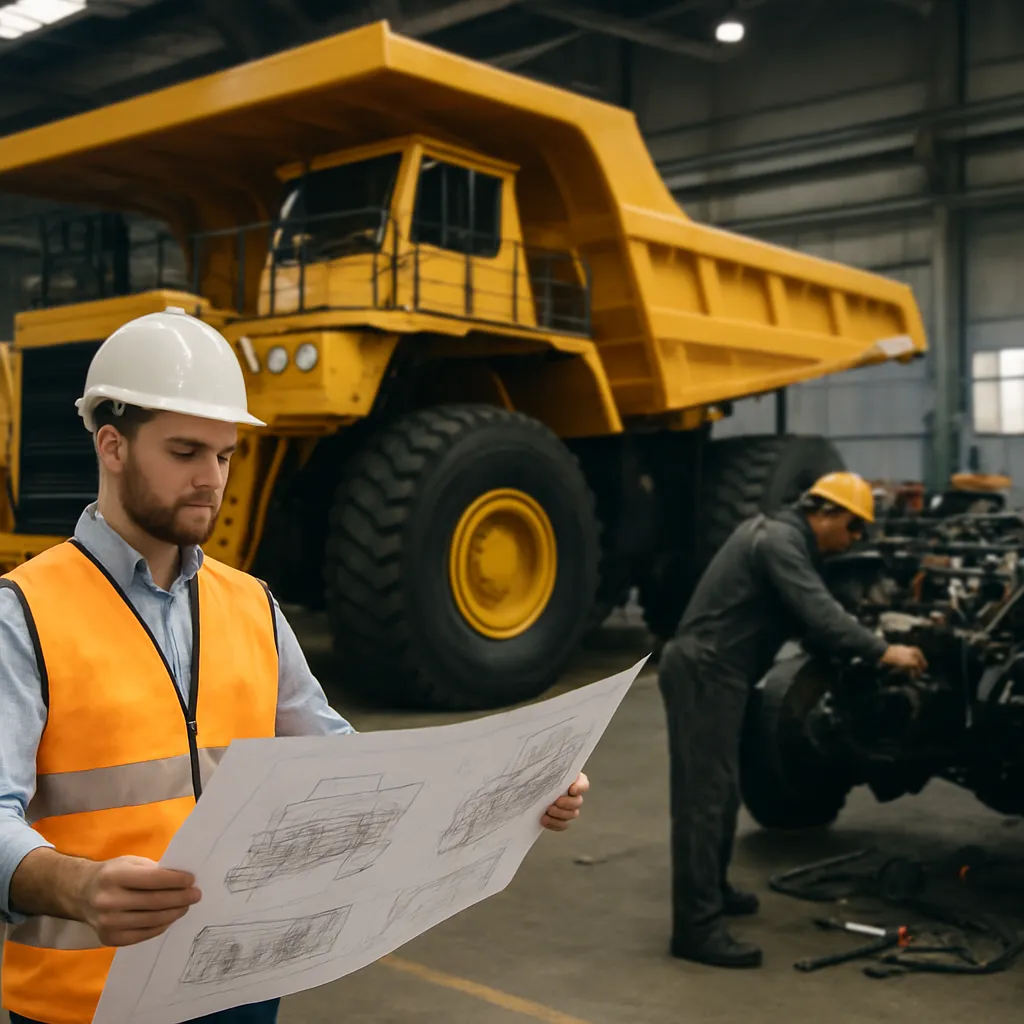
Massive machines rumble across open-pit mines, towering over landscapes as they transport tons of ore and rock with unwavering precision. The world of heavy-duty equipment is a symphony of engineering marvels, blending raw power and cutting-edge technology. From the conceptual sketches on an engineer’s desk to the final assembly line, each stage reveals a hidden layer of design choices, material science breakthroughs, and automated controls. This exploration delves into key aspects of these mechanical giants, highlighting how modern manufacturing techniques and digital innovations have reshaped the way we extract minerals and build the infrastructure of tomorrow.
Engineering the Mammoth Haulers
Design Principles and Structural Integrity
At the core of every giant mining truck lies a chassis built to withstand immense stress. Conceptual design begins with finite element analysis (FEA) simulations, which predict how various loads will affect the frame. Engineers focus on durability and reliability, ensuring that the vehicle endures thousands of hours in harsh environments. Materials such as high-strength low-alloy (HSLA) steel are selected for their exceptional yield strength and fatigue resistance. Specialized welding techniques create seamless joints, minimizing weak points and prolonging overall service life.
Component Integration and Modularity
Modular design enables rapid maintenance and parts replacement. Key modules include:
- Powertrain assembly
- Hydraulic system block
- Operator cabin unit
- Suspension and brake modules
By separating the truck into distinct sections, manufacturers can streamline assembly processes and reduce downtime during overhauls. Each module is rigorously tested off-line before integration, ensuring flawless interaction when combined into the final vehicle.
Advanced Powertrains and Propulsion
Diesel-Electric Hybrid Systems
Traditional diesel engines still dominate in large-haul trucks, but the rise of hybrid drives is transforming operational efficiency. Diesel-electric systems convert mechanical energy into electrical power through onboard generators. Electric traction motors then deliver instant torque to the wheels, optimizing fuel consumption across varying load conditions. These setups often include regenerative braking, capturing kinetic energy during deceleration and feeding it back to auxiliary systems or battery packs.
Alternative Energy and Emerging Fuels
Environmental regulations and corporate sustainability goals push manufacturers to explore alternative propellants:
- Hydrogen fuel cells for zero-emission operation
- Battery-electric powertrains with high-capacity energy storage
- Biofuels derived from sustainable feedstocks
Trials of battery-electric prototypes have demonstrated significant reductions in greenhouse gas emissions, though challenges remain in long-distance capacity and fast-charging infrastructure. Hydrogen cell technology offers promise, presenting an elegant solution to heavy-duty electrification once fueling logistics mature.
Automation and Safety Innovations
Autonomous Operation in Hazardous Zones
Autonomous haul trucks equipped with LIDAR, radar, and GPS navigation can operate around the clock without direct human intervention. AI-driven control systems map out optimal routes, avoid obstacles, and execute loading and dumping tasks with minimal latency. This shift toward automation dramatically reduces accident risks and improves overall mine productivity. Remote operations centers monitor fleets live, ready to intervene in the event of unforeseen anomalies.
Operator Assistance and Monitoring Systems
Even with increasing autonomy, human operators remain essential. Modern cabins integrate advanced monitoring dashboards, providing real-time data on:
- Engine temperature and oil pressure
- Brake wear levels and suspension status
- Load weight distribution and center-of-gravity alerts
- Environmental conditions, including dust and gas sensors
Heads-up displays project critical alerts onto the windshield, while haptic feedback in the seat warns operators of potential hazards. These systems elevate safety and maintain peak performance under extreme workloads.
Maintenance Strategies and Lifecycle Management
Predictive Maintenance with IoT Sensors
Onboard sensors collect terabytes of data each day, tracking vibration signatures, temperature fluctuations, and hydraulic pressures. Machine learning algorithms analyze patterns to forecast component degradation before failure occurs. This performance-centered approach prevents unscheduled downtime and extends the useful life of parts such as axles, bearings, and hydraulic pumps. Alerts trigger maintenance crews with precise diagnostics, enabling faster repairs and lower operating costs.
Remote Diagnostics and Over-the-Air Updates
Cloud connectivity allows manufacturers to push firmware patches directly to vehicles in the field. Engineers can adjust control parameters, optimize fuel maps, or recalibrate suspension settings remotely. This level of digital support ensures that fleets remain up-to-date with the latest innovation, reducing the logistical burden of physical service visits and enhancing overall reliability.
Environmental and Sustainability Considerations
Emissions Control and Noise Reduction
Methane capture systems and selective catalytic reduction (SCR) units minimize harmful exhaust gases. Acoustic insulation within the cabin and around the engine compartment significantly cut noise levels, protecting both operators and surrounding wildlife. Manufacturers also deploy advanced filtration screens to reduce particulate emissions, meeting stringent international standards.
Recycling and Circular Economy Initiatives
At the end of a mining truck’s life cycle, up to 90% of its mass can be reclaimed. Steel frames, hydraulic fittings, and electronic components enter recycling streams, while biodegradable fluids and greases break down more cleanly. Companies invest in remanufacturing programs, refurbishing powertrains and electronics to reduce raw material demand. This sustainability-driven practice exemplifies the shift toward a circular industrial economy.
Future Trends and Technological Horizons
Integration of Augmented Reality (AR)
Technicians wearing AR glasses can receive overlaid schematics and step-by-step repair instructions in real time. Visual cues highlight fail points, accelerate maintenance tasks, and minimize human error. This immersive support fosters a new era of hands-on learning and operational efficiency.
Data-Driven Workflow Optimization
Big data platforms aggregate performance metrics across entire global fleets. AI models then prescribe optimal haul routes, maintenance schedules, and crew assignments. This data-centric paradigm drives continuous improvement, maximizing uptime and reducing operating costs per ton of material moved. By harnessing these insights, mining companies achieve unprecedented levels of productivity and resource stewardship.