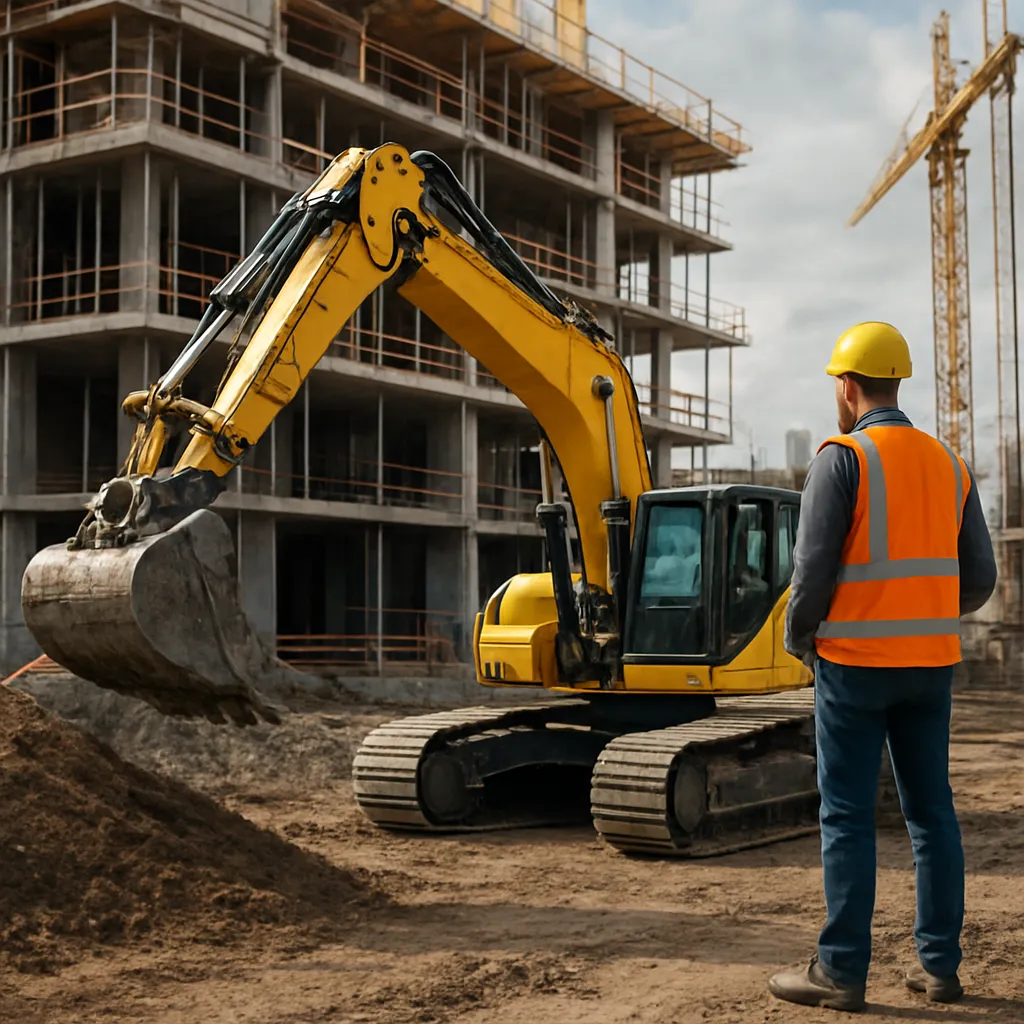
Construction sites are evolving fast as groundbreaking machines take on roles once reserved for human crews. From towering cranes guided by artificial intelligence to autonomous bricklayers forming walls with pinpoint precision, these innovations are rewriting the rules of how buildings rise. This article explores the latest developments, examines their effects on the workforce, and highlights the challenges and possibilities shaping tomorrow’s construction landscape.
Innovations in Construction Robotics
Major players in the industry have invested heavily in automation to tackle labor shortages and accelerate project schedules. Today’s robots come equipped with advanced sensors and software, enabling tasks from excavation to finishing work:
- Autonomous Excavators: GPS-guided diggers that map out trenches and foundations without human intervention.
- Robotic Bricklayers: Machines that mix mortar, pick bricks, and build walls at rates up to six times faster than manual crews.
- 3D Concrete Printers: Large-scale printers extruding concrete layer by layer to form complex shapes and custom architectural elements.
These systems rely heavily on AI algorithms that process real-time data from LiDAR scanners and cameras. By constantly analyzing jobsite conditions, robots can adjust their actions, ensuring consistent quality and reducing material waste. Some platforms even communicate with one another, creating a collaborative network in which cranes, bulldozers, and finishing units coordinate workflows seamlessly.
Emerging Technologies Driving Change
Beyond hardware, new software ecosystems are propelling robotics into mainstream use:
- Building Information Modeling (BIM) Integration: Robots can access 3D digital blueprints to verify dimensions and placements automatically.
- Cloud-Based Control Centers: Remote operators supervise multiple robots through secure dashboards, intervening only when exceptions arise.
- Machine Learning Enhancements: Continuous feedback loops allow robots to learn repeating patterns, such as optimal digging angles or bricklaying sequences.
Impact on Productivity and Safety
One of the most compelling benefits of these machines is their ability to boost efficiency on complex job sites. Traditional projects often suffer from delays due to human fatigue, skill shortages, and unpredictable weather. Robots, by contrast, can work longer shifts and maintain uniform performance:
- Streamlined timelines: Automated crews can complete foundation work up to 30% faster than conventional methods.
- Reduced errors: Precision sensors ensure that every cut, weld, or pour meets strict tolerance levels.
- Lower labor costs: Fewer onsite staff required for repetitive or hazardous tasks.
Safety also improves dramatically. Construction ranks among the world’s most dangerous industries, with falls, electrocutions, and equipment mishaps common. Deploying robots for high-risk activities such as steel erection or tunneling keeps human workers out of harm’s way. According to recent studies, sites using robotic systems report a nearly 40% drop in recordable incidents.
Enhancing Workforce Collaboration
Rather than eliminating jobs, many firms view robots as partners. Skilled operators are shifting toward roles in maintenance, programming, and oversight. Training programs now blend traditional crafts with digital skills, emphasizing teamwork between humans and machines. For example, a crane operator might collaborate with a robotic auger, supervising its drilling while ensuring correct alignment with structural plans. This synergy fosters higher worker satisfaction and opens career pathways in emerging technical fields.
Challenges and Future Outlook
Despite the promise, widespread adoption faces several hurdles. Initial investment costs for robotic fleets and supporting infrastructure can exceed millions of dollars. Integrating these systems with legacy equipment and processes also demands significant collaboration between contractors, software vendors, and regulatory bodies. Other key challenges include:
- Regulatory Compliance: Building codes and safety standards need updates to account for autonomous operations.
- Cybersecurity Risks: Connected machines are vulnerable to hacking, requiring robust encryption and access controls.
- Site Variability: Unstructured environments with uneven terrain and obstacles still pose obstacles for many systems.
- Training Gaps: Workforce upskilling must keep pace with rapidly evolving technologies.
Looking ahead, convergence with sustainability initiatives is set to accelerate. Electric-powered robots will reduce carbon footprints, while AI-driven analytics optimize resource use and waste management. Fully automated modular factories could assemble entire building sections offsite, dramatically cutting on-site labor and environmental impacts. Meanwhile, policymakers are exploring incentives and subsidies to encourage small and midsize contractors to adopt automation.
Emerging Opportunities in Smart Construction
The next decade promises even more revolutionary developments. Swarms of micro-robots may handle tasks like drone-based thermal inspections or precision painting. Wearable exoskeletons could amplify human strength for heavy lifting, blending organic and mechanical capabilities. Advanced digital twins—virtual replicas of entire construction sites—will enable real-time simulation and optimization. These tools, underpinned by robust data architectures, will help anticipate issues before they arise, manage supply chains with unprecedented visibility, and ensure projects stay on time and under budget.