The integration of advanced machinery into industrial environments has revolutionized the way tasks are performed, minimizing human exposure to hazardous conditions. By leveraging cutting-edge technologies, companies are achieving unprecedented levels of safety and efficiency without sacrificing productivity. The synergy between human operators and automated systems fosters a collaborative environment where risks are systematically mitigated, and workplace incidents sharply decline.
Enhancing Safety with Robotic Technologies
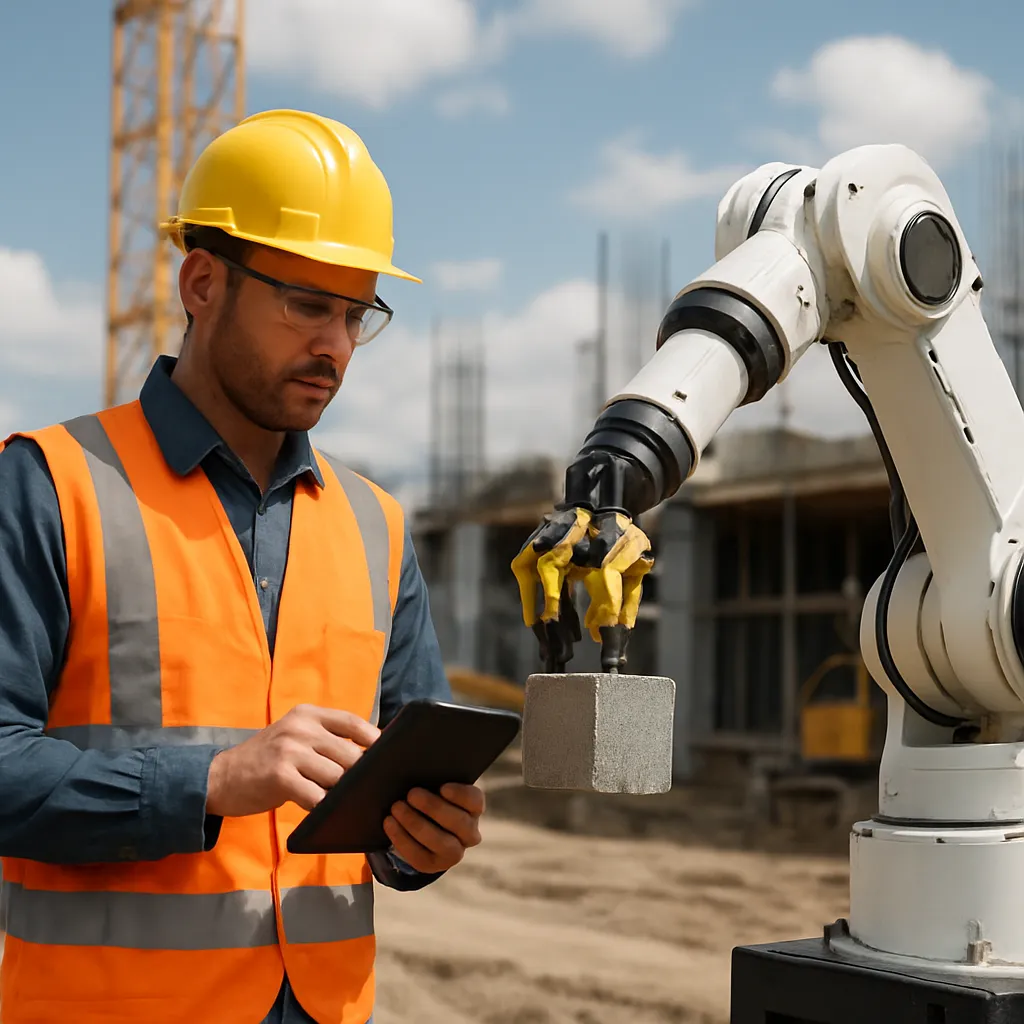
Over the past decade, the deployment of collaborative robots—often called “cobots”—has surged across manufacturing floors and construction sites. These machines excel at handling repetitive or heavy-duty tasks, removing workers from dangerous proximity to high-powered equipment. With integrated sensors and real-time feedback loops, modern robots can:
- Detect human presence within restricted zones
- Adjust speed and force dynamically to prevent collisions
- Execute precision welding, cutting, or lifting without deviation
By replacing manual operation in high-risk activities—such as deep-well drilling or handling toxic chemicals—robots provide an added layer of protection. In environments where falling debris or chemical exposure threatens human health, automated arms can perform intricate maneuvers behind protective barriers. Advances in machine vision and artificial intelligence enable these systems to recognize anomalies in materials before they lead to catastrophic failures, ensuring robust quality control and resilience against unexpected hazards.
The Role of AI in Hazard Prevention
Artificial intelligence algorithms have emerged as indispensable tools for predicting and preventing accidents on worksites. By analyzing vast datasets—ranging from equipment telemetry to environmental conditions—AI-driven platforms can pinpoint potential safety breaches hours or even days before they occur. Key capabilities include:
- Predictive maintenance alerts that schedule machine servicing before breakdowns
- Anomaly detection in sensor data to identify wear or misalignment
- Real-time risk scoring for work zones based on weather, manpower, and machinery load
When paired with networked hardware, these intelligent solutions create a proactive safety net. For example, smart helmets equipped with environmental sensors can relay data about airborne particulates or toxic gases, prompting immediate evacuation if thresholds are exceeded. Similarly, AI-powered drones inspect high-altitude structures—such as bridges or towers—marking structural weaknesses for repair crews and preventing dangerous manual climbs.
Integrating IoT for Real-Time Monitoring
The Internet of Things (IoT) forms the backbone of modern automated safety systems. From wearables to fixed sensors, interconnected devices gather continuous streams of information, enabling supervisors to maintain complete situational awareness. Notable applications include:
- Sensors embedded in hard hats to track impact forces and detect falls
- Machine-mounted cameras to monitor thermal hotspots and mechanical stress
- Wireless networks that aggregate data on noise levels, vibration, and air quality
With a robust IoT architecture, plant managers gain the ability to visualize live dashboards showcasing every critical metric. Automated alerts notify personnel via mobile devices when parameters deviate from safe operating ranges. This instantaneous feedback loop empowers teams to intervene immediately, reducing downtime and safeguarding workers. Moreover, historical logs from IoT platforms support forensic analysis after an incident, guiding continuous innovation in safety protocols.
Human-Machine Collaboration and Training
While automation handles many hazardous tasks, human oversight remains essential for strategic decision-making and system maintenance. Effective collaboration between operators and machines hinges on comprehensive training programs that emphasize:
- Understanding robotic interfaces and control logic
- Interpreting alerts and diagnostics from AI systems
- Implementing emergency stop procedures and fail-safe protocols
Immersive technologies—such as virtual reality (VR) and augmented reality (AR)—are transforming how workers learn to interact with automated systems. VR simulations allow trainees to practice complex tasks in risk-free virtual environments, while AR overlays provide real-time guidance during live operations. By boosting the competence and confidence of personnel, companies cultivate a culture of vigilance and accountability.
Future Trends in Automated Worksite Safety
The trajectory of workplace automation points toward even greater integration of autonomous vehicles, advanced robotics, and AI-driven analytics. Emerging trends include:
- Self-navigating transport vehicles that deliver materials without human drivers
- Swarm robotics coordinating large-scale tasks like demolition or site surveying
- Edge computing solutions processing sensor data locally for faster hazard response
As these systems mature, they will continually refine the balance between human expertise and machine precision. By automating the most perilous aspects of industrial labor, organizations can unlock higher standards of productivity and ensure a safer environment for every worker. The ongoing commitment to collaboration between engineers, operators, and safety professionals will shape the next generation of automated worksites, driving sustained improvements in both performance and well-being.