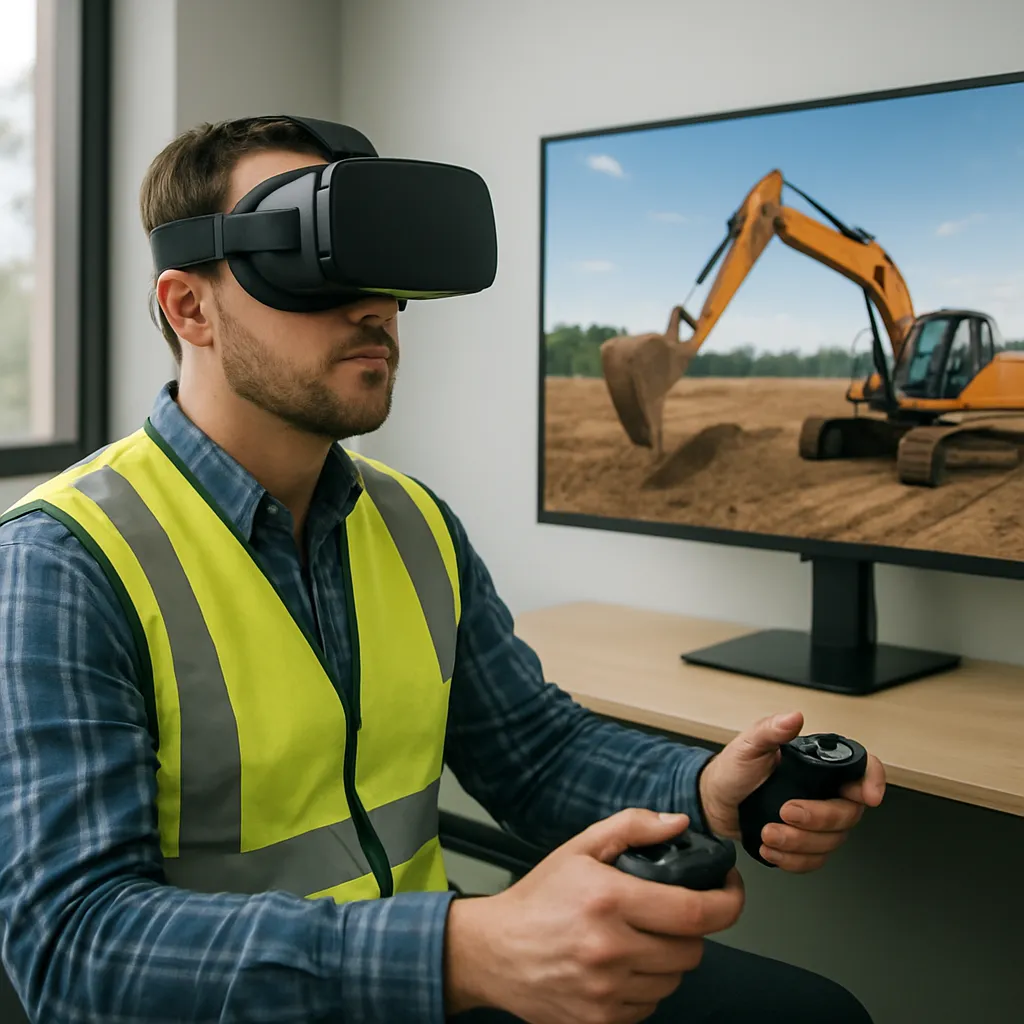
Advanced industrial settings demand a seamless fusion of human skill and machine precision. Operators are tasked with maneuvering complex equipment, interpreting sensor data, and troubleshooting in real time. As technologies evolve, training methods must keep pace, ensuring that every technician attains peak performance, uncompromised safety, and sustained productivity.
Evolution of Industrial Machinery and Operator Roles
Over the past decades, manufacturing plants have transitioned from manual assembly lines to automated hubs powered by robotics, conveyors, and programmable logic controllers. This shift has not only redefined the physical layout of floors but also reshaped the competencies required of machine operators. No longer is a basic understanding of levers and dials sufficient. Today’s technicians need digital literacy, real-time decision-making skills, and an ability to interpret complex data streams.
The Rise of Automation and Smart Systems
Integration of robotics and Industry 4.0 concepts has introduced self-configuring machines capable of predictive maintenance. These systems rely on IoT sensors to monitor vibration, temperature, and performance metrics. Operators collaborate with advanced software to schedule service intervals before breakdowns occur, thus maximizing efficiency and minimizing costly downtime.
Shift in Operator Competencies
Traditional mechanical expertise now blends with software proficiency. Technicians must navigate HMI (Human-Machine Interface) panels, adjust programmable parameters, and respond to real-time alerts. Consequently, training curricula must encompass both mechanical theory and digital troubleshooting. Building such a curriculum demands innovative methods to simulate real-world scenarios without exposing trainees to hazardous conditions.
Integrating Virtual Reality into Training Programs
Virtual reality platforms have emerged as a transformative approach for cockpit-style learning environments. By donning a headset, an operator enters a fully rendered plant floor, interacts with virtual control panels, and experiences fault conditions in a risk-free setting. This immersive simulation fosters muscle memory and cognitive awareness far more rapidly than manuals or videos alone.
- Realistic Equipment Handling: Trainees manipulate virtual switches, levers, and touchscreen controls that mimic real device feedback.
- Scenario Diversity: From normal operations to rare emergency shutdowns, VR modules cover an extensive range of possibilities.
- Instant Feedback: Metrics such as reaction time, error count, and procedural compliance are recorded and analyzed.
- Collaborative Sessions: Multi-user environments allow teams to practice coordinated responses to malfunctions or safety drills.
Enhancing Safety and Performance through VR Simulations
Implementing virtual reality in operator training yields measurable improvements in both ergonomics and overall performance. Users can rehearse heavy-lift tasks in a virtual warehouse, optimizing posture and reducing musculoskeletal strain before approaching real loads. Similarly, exposure to high-voltage scenarios or chemical spill protocols in VR ensures that operators internalize correct procedures without any physical danger.
Furthermore, VR training fosters critical collaboration skills. In many modern facilities, maintenance teams, quality inspectors, and production supervisors must coordinate actions seamlessly. Virtual environments support synchronized exercises, enabling each role to communicate effectively under time pressure. This collaborative rehearsal strengthens team dynamics and ensures that every participant understands their responsibilities in crisis situations.
Looking Ahead: Digital Twins, AI, and Adaptive Training
The next frontier combines virtual reality with digital twin technology and artificial intelligence. A digital twin is a real-time, virtual replica of a physical asset or process. By coupling a digital twin with VR, operators can navigate an exact mirror of their plant, observing how changes in temperature, speed, or load levels affect system behavior. Advanced AI engines then adapt training modules on the fly, focusing on areas where an individual demonstrates lower adaptability or slower response times.
Such personalized learning experiences accelerate skill acquisition and ensure uniform competency across diversified teams. Machine learning algorithms can flag persistent knowledge gaps and suggest targeted refresher exercises. This approach transforms static lesson plans into dynamic, data-driven journeys, catering to the unique learning style of every operator.
Empowering Operators in the Era of Smart Manufacturing
As digitalization accelerates, the boundary between virtual and physical realms continues to blur. Incorporating VR into routine training regimens fosters deeper comprehension of complex workflows, instills confidence in decision making, and elevates overall operational quality. The synergy of VR, AI, and digital twins promises to redefine operator education, ensuring that emerging professionals are equipped to manage the next wave of industrial innovation with unparalleled competency.