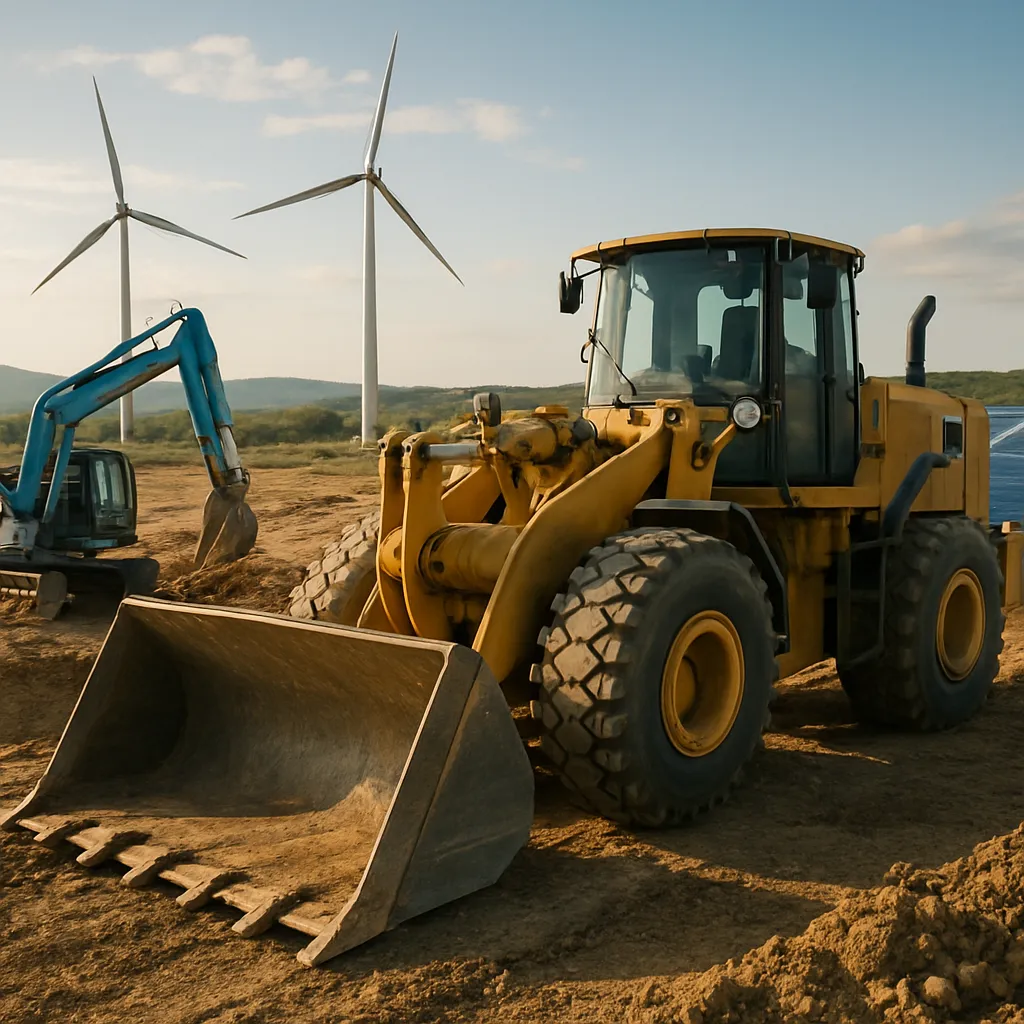
The rapid evolution of industrial machinery has led to a growing interest in harnessing renewable energy resources to power work machines. Industries across the globe are exploring innovative solutions that balance high performance with environmental responsibility. From heavy construction equipment to automated manufacturing lines, the shift toward greener power systems is reshaping traditional operational models.
Harnessing Sustainable Power Sources
To reduce dependence on fossil fuels and minimize carbon emissions, manufacturers and engineers are integrating various sustainable power sources into modern work machines.
Solar Energy Integration
One of the most widespread methods of renewable energy adoption involves outfitting machines with solar panels. These panels can be mounted on the roof of mobile cranes, service vehicles or auxiliary equipment. Key advantages include:
- Supplementary power for onboard electronics, reducing idling time of diesel generators.
- Enhanced battery charging, extending operational periods in remote sites.
- Lower maintenance costs thanks to fewer moving parts in photovoltaic systems.
Advances in panel efficiency allow even heavy-duty vehicles to benefit from solar arrays capable of producing several kilowatts under optimal conditions.
Wind Energy Applications
In regions with consistent wind patterns, stationary work machines—such as material crushers or pumps—can be paired with small-scale wind turbines. Although less common than solar solutions, wind-driven generators offer:
- Continuous power generation during night or overcast periods.
- Potential integration with energy storage via batteries, stabilizing supply fluctuations.
- High scalability, from single-turbine setups to hybrid arrays coupled with solar installations.
Technological Innovations in Work Machines
As industries demand higher efficiency and reduced environmental impact, several cutting-edge technologies have emerged to empower work machinery.
Electric Drivetrains
Traditional hydraulic or diesel drivetrains are gradually being replaced by electric systems. Benefits include:
- Instant torque delivery by electric motors, improving load-handling precision.
- Reduced mechanical complexity, translating to lower downtime and service requirements.
- Ability to integrate with smart controls for adaptive performance tuning.
Hybrid Power Systems
Combining internal combustion engines with electric powertrains yields hybrid machines that optimize fuel consumption. During high-demand tasks, the engine and electric system collaborate, while light-load operations rely solely on electric power. Such setups achieve impressive cost-effectiveness by:
- Lowering overall fuel usage and operating expenses.
- Reducing noise levels on urban or indoor job sites.
- Enabling regenerative braking to recapture energy during deceleration.
Automation and Energy Management
Advances in automation and energy management software allow work machines to adjust power draw dynamically. Real-time monitoring optimizes:
- Load distribution across energy sources, prioritizing emissions-free supply.
- Battery charging cycles to prolong cell life and ensure consistent performance.
- Predictive maintenance schedules, minimizing unexpected downtime.
Case Studies from Key Industries
Several industries have pioneered the adoption of renewable energy-powered machinery, demonstrating both feasibility and operational advantages.
Construction Sector
A major European construction firm retrofitted its fleet of excavators with rooftop solar arrays and high-capacity batteries. Over one project cycle, the hybrid machines achieved a 30% reduction in diesel consumption and a significant drop in emitted particulates—particularly valuable on urban projects with strict air-quality regulations.
Agricultural Operations
Solar-powered irrigation pumps and battery-backed tractors are revolutionizing farming practices in arid regions. By combining ground-mounted solar farms with on-tractor energy storage, agricultural operators maintain continuous fieldwork without relying on grid electricity or fuel deliveries.
Mining and Resource Extraction
Remote mining sites have tested small-scale wind turbines to support water treatment and ore-processing equipment. Supplementing diesel generators, these wind arrays reduce operational costs by up to 20% and enhance site safety by decreasing fuel transport requirements.
Challenges and Future Perspectives
Despite clear benefits, the widespread deployment of renewable-powered work machines faces several hurdles. Initial capital expenditure remains a barrier, as advanced powertrains and storage systems command higher upfront costs compared to conventional equipment. Additionally, energy availability can fluctuate with weather, necessitating robust hybrid designs and intelligent energy management.
Looking forward, ongoing research aims to improve photovoltaic conversion rates, battery energy density, and the durability of electric drivetrains in harsh environments. Collaboration between equipment manufacturers, energy providers, and regulatory bodies will be essential to develop standards, incentivize green investments, and scale up renewable energy solutions in heavy industry.