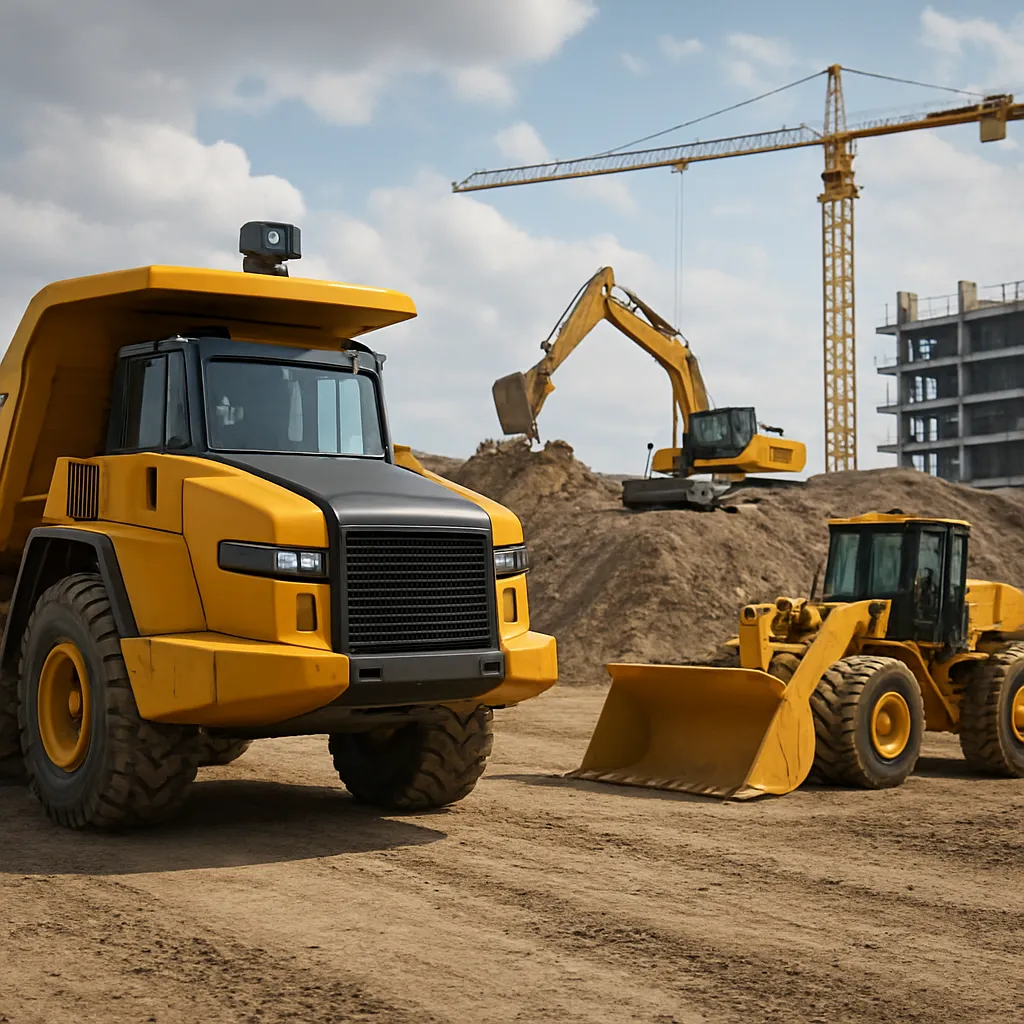
The construction industry is undergoing a profound transformation as fleets of machines evolve from remote‐controlled tools into fully autonomous partners on job sites. These sophisticated vehicles, ranging from self-driving excavators to robotic pavers, leverage cutting-edge machine learning algorithms and advanced sensor arrays to navigate complex environments with unprecedented precision. While traditional heavy equipment demanded constant human oversight, the new generation of intelligent platforms is capable of making split-second decisions, optimizing operations, and adapting to unforeseen challenges. This convergence of robotics, data analytics, and seamless connectivity is reshaping workflows, boosting productivity, and establishing new benchmarks for safety and efficiency in the field.
Autonomous Fleet Integration and Operational Dynamics
Coordinating multiple machines in a dynamic construction zone requires robust communication protocols and sophisticated task management. A centralized control center, often cloud-based, monitors vehicle status, battery levels, and operational parameters in real time. Using high-definition maps and GPS data, each unit plots an optimal route, avoiding obstacles and minimizing travel time. When unexpected hazards arise—a fallen beam, shifting terrain, or inclement weather—an autonomous loader can halt its progress, transmit an alert, and await revised instructions without endangering nearby personnel.
Key Technologies Driving Coordination
- LiDAR and radar sensing for 360-degree situational awareness.
- Edge computing modules for low-latency decision-making.
- Wireless mesh networks enabling peer-to-peer machine communication.
- Cloud-based analytics platforms that aggregate performance metrics.
In practice, fleet managers assign tasks via an intuitive interface. A single click might dispatch a trio of automated bulldozers to grade land, while simultaneously programming an unmanned haul truck to transport debris to a recycling station. Through machine-to-machine coordination, vehicles can form convoys, share load data, and dynamically adjust speed to maintain safe following distances. This interoperability elevates innovation in resource utilization, reducing idle time and preventing bottlenecks.
Economic and Logistical Advantages
Integrating an autonomous fleet offers contractors the ability to operate around the clock, extending work shifts beyond daylight hours. Night operations, traditionally limited by visibility and labor costs, become feasible as infrared cameras and advanced lighting systems deliver clear visuals. As maintenance events are predicted through real-time diagnostics, unplanned downtime is minimized. Over time, companies realize significant savings in fuel consumption, labor expenses, and repair costs. These efficiencies pave the way for faster project delivery and more competitive bidding.
Enhancing Safety and Productivity on Construction Sites
Construction zones have long been associated with risk—heavy loads, unstable structures, and moving vehicles pose constant threats. Autonomous platforms can dramatically lower incident rates by enforcing strict operational boundaries and implementing virtual safety zones. When a human enters a designated exclusion area, approaching machines will automatically decelerate or pause, eliminating the potential for collisions.
Protecting Human Workers
- Proximity detection: High-sensitivity sensors identify any human presence within several meters of machinery.
- Automated emergency stops: Instant vehicle halts if predefined safety thresholds are breached.
- Wearable integrations: Smart vests communicate worker locations to the fleet’s control system.
- AI-driven behavior analysis: Predictive models flag unsafe patterns or unauthorized entry.
By automating repetitive and strenuous tasks like trenching, heavy lifting, and material handling, personnel can shift their focus to higher-value roles such as planning, inspection, and quality assurance. This not only improves morale but also enhances overall site productivity. As machines undertake the most dangerous functions, human teams can concentrate on optimizing workflows, managing complex logistics, and ensuring compliance with evolving regulatory frameworks.
Quality Control and Consistency
One of the most compelling benefits of autonomous fleets is their unwavering consistency. Whether laying concrete slabs or assembling modular components, robots execute preprogrammed sequences with micron-level accuracy. This precision reduces material waste and mitigates structural errors that often emerge from manual variability. Integrated vision systems and laser scanners inspect each operation in real time, comparing results against digital blueprints and automatically flagging any deviations for corrective action. The result is higher quality outcomes and reduced rework rates.
Future Horizons: AI, Robotics, and Sustainable Infrastructure
Looking ahead, the synergy between AI and robotics will unlock unprecedented capabilities. Swarm intelligence concepts, where dozens of small autonomous units collaborate to complete tasks, promise to revolutionize site assembly and excavation. By dividing large projects into micro-operations, these swarms can adapt fluidly to shifting priorities, optimizing resource allocation on the fly.
Green Construction and Environmental Impact
Autonomous fleets are poised to drive significant environmental gains. Optimized routes and load planning lead to lower carbon emissions and reduced fuel consumption. Innovative powertrain options—such as electric drivetrains and hydrogen fuel cells—can be seamlessly integrated. In remote or eco-sensitive areas, silent electric excavators minimize noise pollution, while precision digging lessens soil disturbance. Contractors committed to sustainability can harness data analytics to quantify emission reductions and earn green certifications.
Expanding into Infrastructure Development
Beyond building construction, autonomous machines will play a pivotal role in large-scale infrastructure projects. Dredging operations in ports, tunneling beneath urban centers, and highway resurfacing can all benefit from continuous, automated workflows. Real-time telemetry feeds into digital twin platforms, enabling engineers to monitor progress virtually and make data-driven decisions. Autonomous cranes, equipped with predictive balancing systems, will lift heavy modules with pinpoint accuracy, expediting the erection of bridges and high-rise structures.
Challenges and Regulatory Considerations
- Standardizing safety protocols across jurisdictions.
- Ensuring cybersecurity of networked construction assets.
- Training a workforce capable of supervising and maintaining advanced machinery.
- Gaining public trust through transparent performance reporting.
Overcoming these hurdles requires collaboration between equipment manufacturers, software developers, regulatory bodies, and construction firms. As global demand for infrastructure growth accelerates, the adoption of autonomous fleets will become not just an advantage but a necessity for delivering complex projects on time and within budget.