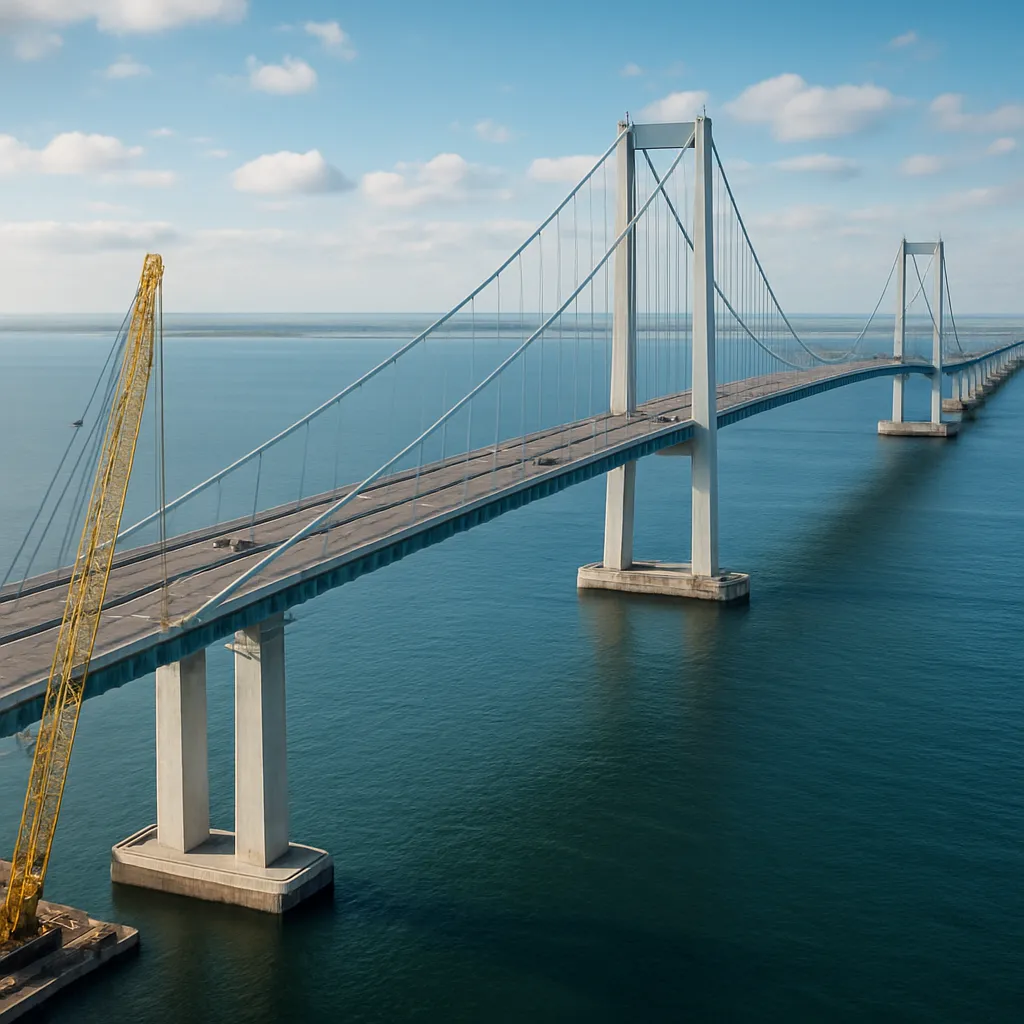
From soaring城市 skylines to the intricate web of highways beneath our feet, the synergy between human vision and mechanical might has reshaped the landscape of construction. Machines have transcended mere tools, evolving into sophisticated partners that drive progress with unmatched precision and efficiency. This exploration delves into the pivotal roles these mechanical marvels play on worksites, the groundbreaking technologies powering them, and the future horizons where they continue to redefine what is possible.
Construction Marvels: The Ascendancy of Modern Machines
The era when construction sites relied solely on muscle and rudimentary tools has long passed. Today, behemoths of steel and engineered brilliance tackle tasks once deemed impossible. Tower cranes, with their lengthy jibs sweeping across the sky, hoist loads weighing several tons to dizzying heights. Excavators, outfitted with multi-axis arms, sculpt the earth with surgical deftness. Each machine is an embodiment of innovation, marrying robust powertrains with smart control systems.
Among these titans, the hydraulic excavator stands out as a true workhorse. By utilizing pressurized fluid, it delivers immense force to buckets and breakers, enabling rapid demolition and precise trenching. Similarly, pavers and rollers work in tandem to create faultless stretches of roadway, ensuring vehicles glide smoothly over fresh asphalt. On bridge sites, specialized launching gantries lift and place massive concrete segments with an accuracy of mere millimeters, a feat unimaginable without integrated automation and advanced sensor arrays.
What makes these machines particularly remarkable is their adaptability. Modular attachments allow a single base unit to serve multiple functions—drilling, lifting, compacting—minimizing downtime and maximizing return on investment. Fleet managers often leverage telematics to track usage patterns, monitor wear levels, and schedule maintenance before parts fail. This data-driven approach yields substantial savings and sustains peak performance throughout a project’s lifecycle.
Safety and Human–Machine Collaboration
Amid the roar of engines and the hum of compressors, safety remains paramount. Modern machines integrate collision-avoidance systems that warn operators of nearby personnel or obstacles. Remote-control interfaces let workers maneuver equipment from secure vantage points, reducing exposure to hazardous zones. In high-risk scenarios like tunneling or underwater foundation work, robotic platforms equipped with technology-laden cameras and manipulator arms undertake the dirtiest, most dangerous tasks.
- Real-time monitoring via drones and ground sensors
- Automatic engine shutdown in the event of abnormal readings
- Ergonomic cabins that reduce operator fatigue
The Technology Behind Precision and Power
At the heart of modern construction machinery lies a complex fusion of mechanical engineering and digital intelligence. Electronic control units (ECUs) process input from an array of sensors—temperature, pressure, orientation—to fine-tune hydraulic flows and engine parameters. Such dynamic adjustments enable machines to respond instantly to shifting loads or uneven terrain, ensuring stability and consistent output.
One of the most transformative innovations is the adoption of robotics in on-site fabrication. Automated bricklaying robots can erect walls with unparalleled speed, aligning each module with laser-guided accuracy. Similarly, 3D concrete printing systems extrude layers of cementitious material to build structural elements, slashing material waste and labor costs. These robots are not confined to factory floors; they roam construction sites, executing tasks once reserved for highly skilled tradespeople.
The integration of artificial intelligence further elevates machine capabilities. Predictive algorithms anticipate equipment needs, such as refueling intervals or filter replacements, based on usage trends. Machine-learning models analyze seismic data to adjust pile-driving intensity in real time, preventing structural damage in sensitive soil conditions. By harnessing vast datasets, project planners optimize resource allocation, ensuring every machine operates at peak optimization.
Powertrain Evolution
Traditional diesel engines have dominated heavy machinery for decades, prized for their torque and reliability. Yet environmental pressures and emission regulations have spurred the development of hybrid and fully electric powertrains. Battery-electric excavators now deliver zero-emission performance in urban sites where air quality concerns are critical. Hydrogen fuel cells are also making inroads, offering rapid refueling and long operating ranges that rival diesel counterparts.
- Hybrid hydraulic systems that recapture kinetic energy
- Solar panels on-site for auxiliary power needs
- Fuel analysis tools that optimize combustion efficiency
Environmental Impact and Future Innovations
Building the world’s infrastructure need not come at the expense of the planet. Machines are increasingly designed with sustainability in mind, featuring eco-mode operations that curb fuel consumption and reduce noise. Many manufacturers now use bio-based hydraulic fluids and recycled steel in their frames. Such green initiatives reflect a broader industry shift toward low-carbon construction practices.
Circular economy principles also influence machine lifecycles. Components are engineered for disassembly, allowing materials to be reclaimed or repurposed at end-of-life. Rental fleets extend equipment utility by redistributing machines across regions, matching supply with demand and minimizing idle assets. This approach fosters resilience in the construction supply chain, dampening the impact of market fluctuations.
The Road Ahead: Autonomous Sites
The next frontier lies in fully autonomous construction zones. Swarms of driverless loaders, bulldozers, and cranes will collaborate under centralized digital command centers, executing intricate plans with near-zero human intervention. Geofencing and advanced mapping technologies will delineate work areas, ensuring machines maintain safe distances and optimal task sequencing. Remote operations will enable specialists to supervise multiple sites simultaneously, allocating expertise where it’s needed most.
In this emerging paradigm, humans will transition from direct operators to orchestrators, focusing on strategic oversight, system validation, and continuous improvement. As machines shoulder more of the physical demands, the industry can attract a new generation of talent with skills in programming, data analytics, and systems engineering. Ultimately, the synergy between human creativity and mechanical power will propel construction into an era of unprecedented productivity and sustainability.