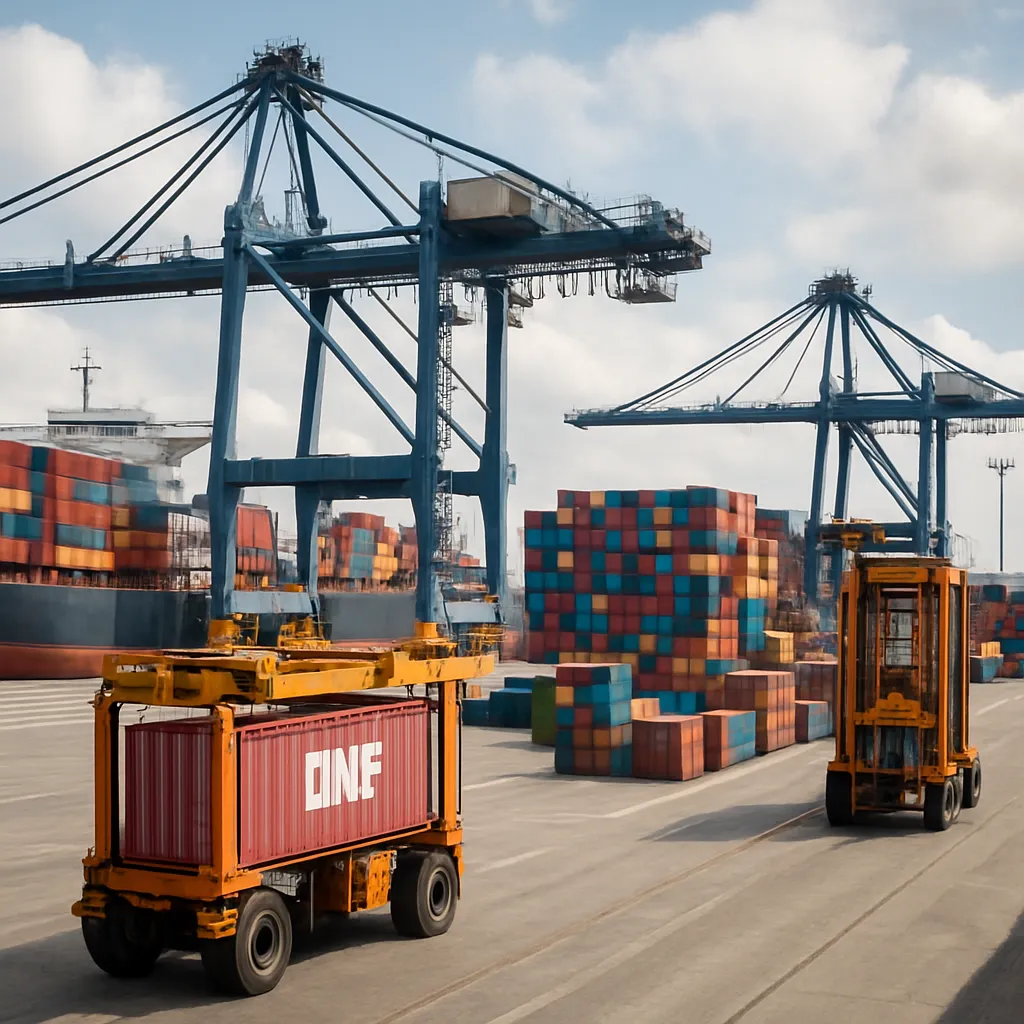
The construction of colossal shipping ports and docks stands as a testament to modern automation and robust engineering. From initial site surveys to the final concrete pour, heavy-duty machines collaborate in a choreographed dance of power and precision. This article explores the key equipment and processes that enable the rapid and reliable development of waterfront infrastructure.
Key Equipment and Advanced Technology
Building a major port requires an arsenal of specialized machines. Each unit plays a crucial role in transforming raw terrain into a functioning logistics hub. Without these mechanical giants, many ambitious maritime projects would remain mere blueprints.
Land Preparation and Site Clearing
- Bulldozers: These heavy-track vehicles remove trees, rocks, and debris, flattening the ground to exact grades.
- Excavators: Equipped with versatile buckets, hydraulic breakers, and grapples, excavators dig foundations for quays and drainage channels.
- Graders: Ensuring precision in slope and elevation, graders create the ideal base for roadways and storage yards.
Dredging and Marine Works
- Dredgers: Whether trailing suction hopper dredgers or cutter suction models, these machines remove sediment, reaching desired depths for ship berths and navigation channels.
- Pile Drivers: Driving steel, concrete, or timber piles deep into the seabed, pile drivers form foundations for piers and breakwaters.
Innovations such as GPS-guided dredging and real-time sonar mapping have improved both efficiency and safety, ensuring that each cut and fill operation meets design criteria.
Construction Processes and Modular Assembly
Once the site is prepared and dredged, building the actual docks involves a sequence of carefully coordinated tasks. Heavy machinery does more than move earth; it assembles massive pre-fabricated elements, lifts multi-ton structures, and completes intricate tasks with consistent accuracy.
Quay Wall Construction
- Crane Barges: Floating platforms carry large cranes that install pre-cast concrete segments or drive sheet piles for quay walls.
- Crawler Cranes: Mounted on tracks, these cranes transport and place heavy blocks, steel sheet piles, and caissons.
Concrete Pouring and Surfacing
- Concrete Pumps: These machines deliver high volumes of concrete over long distances, maintaining the integrity of pours for wharves and apron slabs.
- Laser Screeds: Using robotics and laser guidance, screeds accurately level large surface areas, achieving smooth, uniform slabs ready for heavy container traffic.
Modular assembly of dock elements accelerates timelines. Pre-fabricated components—such as caisson blocks and interlocking sheet piles—can be manufactured off-site and assembled rapidly, minimizing environmental disruption and labor hours.
Logistics, Maintenance, and Safety Standards
Massive ports are dynamic ecosystems where equipment must operate reliably under harsh conditions. Effective logistics and maintenance regimes ensure continuous operation, while stringent safety protocols protect both workers and marine habitats.
On-Site Material Handling
- Straddle Carriers: Driving around container yards, these machines lift, stack, and transport containers with agility.
- Reach Stackers: Capable of handling containers in tight spaces, reach stackers provide versatile loading solutions.
- Automated Guided Vehicles (AGVs): In some cutting-edge ports, AGVs ferry containers between docks and storage areas with minimal human intervention.
Maintenance and Reliability
- Scheduled inspections use drone-mounted cameras, ultrasonic testing, and thermal imaging to monitor wear on critical components.
- Predictive maintenance systems collect sensor data on hydraulic pressure, engine temperature, and vibration, reducing unplanned downtime.
Environmental and Safety Considerations
- Dust Control Units: Sprayers and misting systems keep airborne particulates in check during excavation and material handling.
- Oil Spill Response Kits: Quick-deploy booms and skimmers stand ready to contain accidental leaks.
- Noise barriers and low-emission engines minimize impact on nearby communities and ecosystems, supporting sustainability goals.
Future Trends and Emerging Innovations
The trajectory of port construction is shaped by technological leaps and evolving logistical demands. Automated and electric machinery, remote operation, and data-driven management are key drivers of future efficiency gains.
Electrification and Green Machinery
- Electric Excavators: These units reduce carbon emissions and lower operating costs, aligning with global environmental targets.
- Hybrid Cranes: Combining diesel engines with electric motors, hybrid cranes offer both power and reduced fuel consumption.
Digital Twins and Augmented Reality
- Digital twin platforms replicate the port’s physical environment in real time, enabling scenario testing and performance optimization before actual deployment.
- Augmented reality headsets provide operators with overlayed schematics and diagnostics, boosting innovation in machine control and maintenance procedures.
Autonomous Construction Robots
- Self-driving haul trucks and robotic loaders operate around the clock, boosting productivity and limiting human exposure to hazardous zones.
- 3D printing of concrete elements, executed by mobile robotic arms, may soon allow on-site fabrication of complex docking structures.
As global trade volumes climb and port capacities demand expansion, the integration of hydraulics, dredging expertise, and high-tech automation will remain at the forefront of maritime infrastructure projects. The collaboration between human ingenuity and machine prowess is charting new waters in port construction, driving unmatched speed, efficiency, and resilience in the world’s busiest harbors.