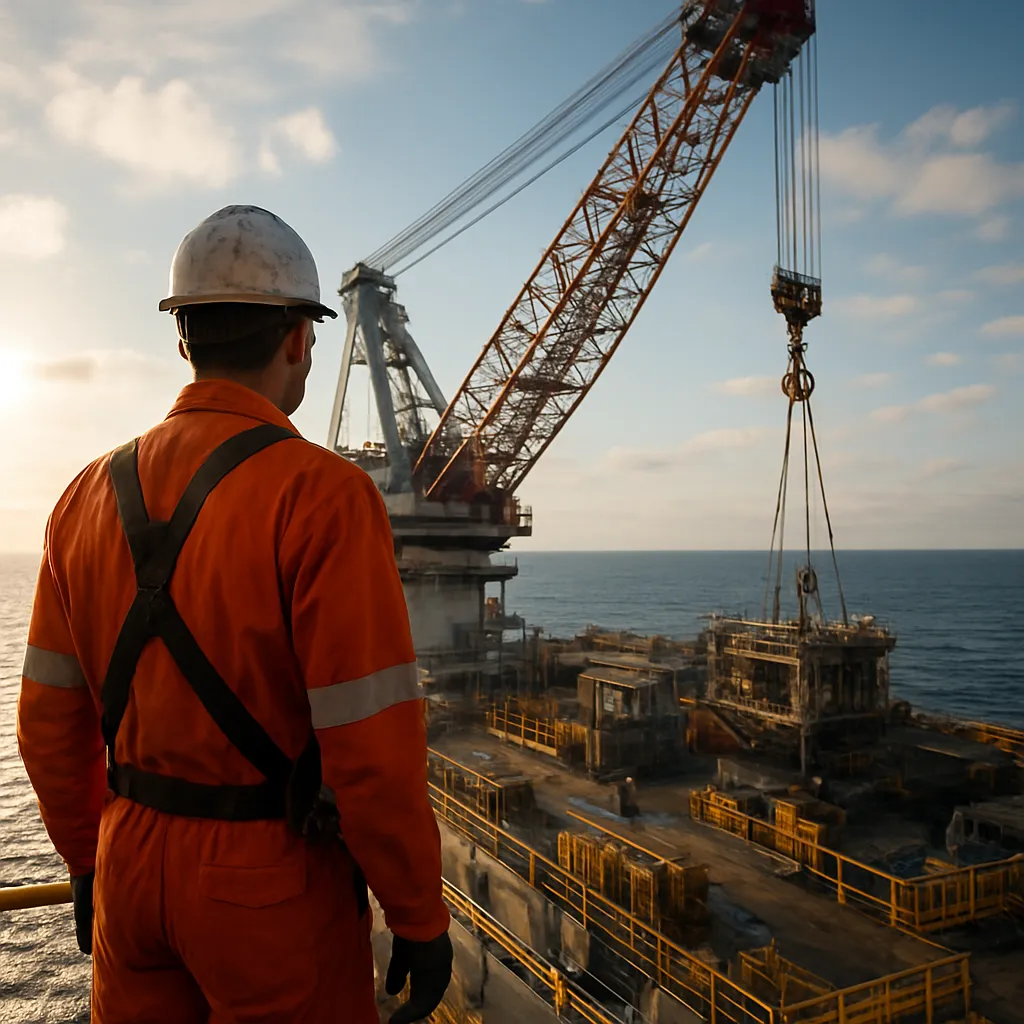
The world of heavy machinery reveals a realm where steel giants dominate construction sites, shipyards, and oil platforms. Exploring these marvels uncovers the interplay between raw power, cutting-edge technology, and human skill. Observing cranes, excavators, and robotic platforms at work raises questions about their design, operation, and the future of industrial **innovation**.
The Rise of Hydraulic Giants
Hydraulic systems revolutionized the way we move immense loads. From towering lattice boom cranes to compact skid-steer loaders, hydraulic machines offer unmatched **lifting** capacity and smooth operation. Their secret lies in fluid dynamics: pressurized oil transmits force from pumps to cylinders, creating motion that can be precisely controlled.
Key Components
- Pumps and motors: convert mechanical energy into fluid pressure.
- Cylinders: transform fluid pressure back into linear motion.
- Valves: regulate flow, direction, and speed.
- Reservoirs: store hydraulic fluid and dissipate heat.
By optimizing these parts, engineers achieve remarkable **efficiency**. Regular maintenance of filters, hoses, and seals ensures reliability under extreme loads.
Precision and Automation in Modern Equipment
Advances in electronics and sensors have paved the way for semi-autonomous and fully automated machinery. Integration of GPS, laser scanners, and inertial measurement units allows machines to operate with millimeter-level accuracy even in challenging environments.
Automated Construction
- Robotic arms: weld, cut, and assemble structures in shipyards without direct human intervention.
- Drones: survey building sites, generating topographic maps and detecting potential obstacles.
- 3D printing platforms: extrude concrete or polymer layers to build walls and façades layer by layer.
These systems significantly reduce human error and enhance overall **productivity**. Operators can monitor and intervene remotely, focusing on strategic tasks rather than repetitive actions.
Colossal Cranes: Engineering Marvels
Few machines capture the imagination like world-scale cranes lifting entire ship sections or offshore modules. Their **durability** and power stem from robust structural design, state-of-the-art materials, and advanced winch systems.
Lattice Boom vs. Telescopic Boom
- Lattice boom cranes: feature a truss-like structure offering high strength-to-weight ratio, ideal for extreme heights.
- Telescopic boom cranes: boast sliding sections that retract or extend, providing versatile reach without assembly.
Case Study: Offshore Crane Vessels
Offshore crane vessels stand out as floating platforms equipped with cranes capable of lifting thousands of tons. They perform critical tasks like installing subsea modules and wind turbine foundations. To achieve this, designers integrate:
- Dynamic positioning systems: maintain vessel stability using thrusters guided by GPS and gyros.
- High-capacity winches: spool steel cables that hoist and lower massive loads smoothly.
- Structural counterweights: balance the vessel and crane boom during lifts.
Strict **safety** protocols govern every lift, including load monitoring, emergency brakes, and redundant power supplies.
Excavators, Loaders, and Earthmovers
Beyond lifting, machines that dig, load, and transport earth form the backbone of civil engineering projects. These machines must combine power, mobility, and endurance.
Design Considerations
- Engine performance: diesel engines deliver high torque at low RPM for continuous digging operations.
- Track vs. Tire: tracked undercarriages provide stability on rough terrain, while tires offer speed on compact surfaces.
- Operator cabins: ergonomically designed with climate control, advanced displays, and safety glass.
Modern excavators are now equipped with telematics systems that record fuel consumption, utilization rates, and maintenance alerts. This data-driven approach drives down costs and extends machinery **lifespan**.
Safety Innovations and Worker Well-Being
Operating heavy machinery involves inherent risks, prompting manufacturers to embed multiple layers of protective measures. Ensuring worker well-being demands a holistic approach.
Personal Protective Technologies
- Smart helmets: equipped with sensors that detect fatigue and identify harmful gas concentrations.
- Wearable trackers: monitor vital signs and send alerts if operators enter dangerous zones.
- Augmented reality goggles: overlay safety guidelines and machine diagnostics directly into the operator’s field of vision.
On the machine side, features such as collision avoidance sensors, rollover protection structures, and automatic emergency shutdown contribute to a robust safety ecosystem.
Environmental Responsibility and Sustainability
As global focus shifts toward reducing carbon footprints, machinery designers explore greener power sources and materials. Embracing sustainability goes hand in hand with technological **advancement**.
Green Powertrains
- Hybrid drives: combine diesel engines with electric motors to cut emissions and boost fuel economy.
- Fully electric models: reduce noise and eliminate onsite exhaust, ideal for urban and indoor projects.
- Hydrogen fuel cells: still experimental in heavy equipment but promise zero-emission operations once viable.
Recycling steel and sourcing renewable materials for non-structural parts further minimize the ecological impact of machine production.
Preparing for Tomorrow’s Machines
The next generation of work machines will merge artificial intelligence, advanced materials, and connectivity like never before. Predictive maintenance powered by machine learning algorithms will anticipate component failures days in advance. Smart factories producing modular crane booms through additive manufacturing will cut lead times drastically.
Industry 4.0 envisions a world where autonomous fleets of excavators and drones coordinate seamlessly, transforming raw data into actionable insights and paving the way for truly intelligent construction sites.