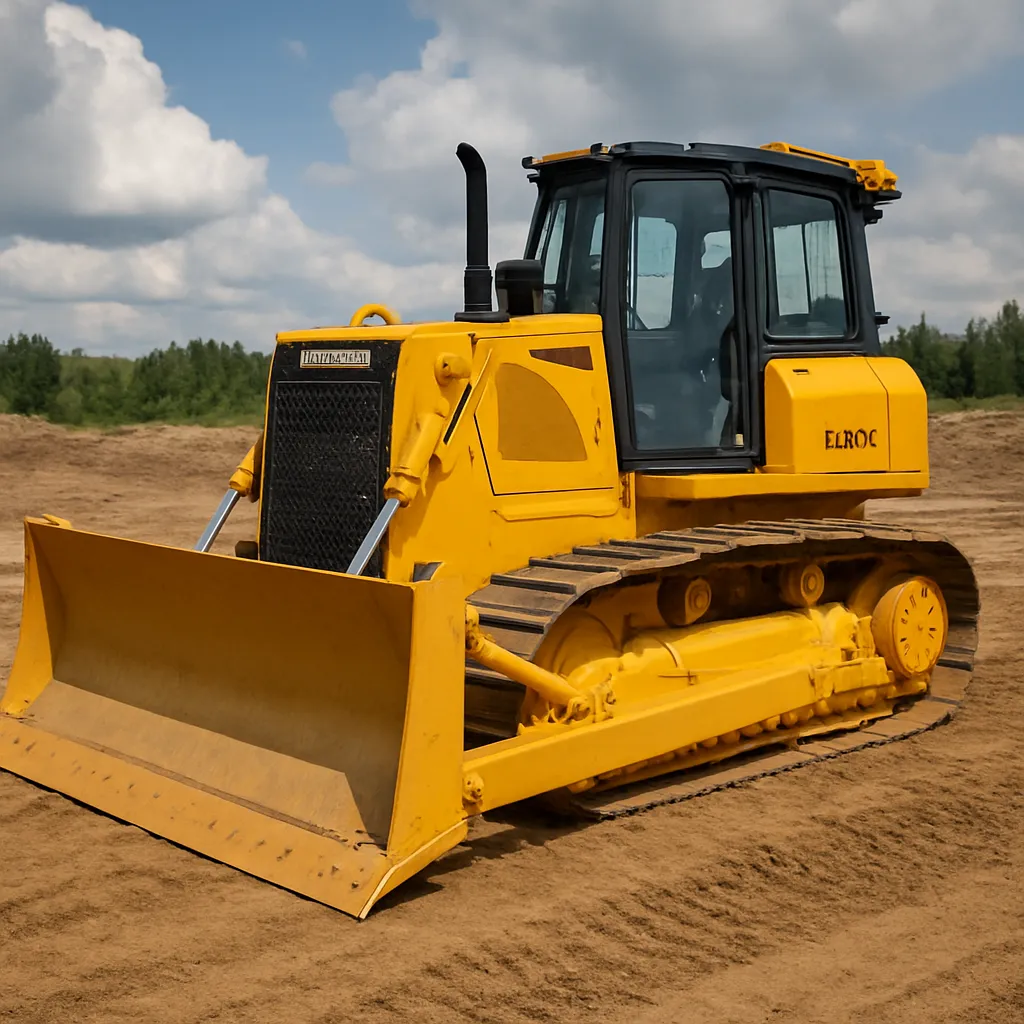
The LiuGong B160C is a medium-sized crawler dozer designed to balance power, versatility and cost-effectiveness for a wide range of earthmoving tasks. Built by one of China’s largest heavy-equipment manufacturers, this model targets contractors and fleet operators who need dependable performance on construction sites, in quarries, on road projects and in agricultural or land-reclamation works. In the following sections we will explore the machine’s design, typical applications, approximate technical data, operational strengths and maintenance considerations, giving a rounded picture for potential buyers, operators and fleet managers.
Design and key features
The overall design philosophy behind the B160C focuses on delivering robust digging and grading performance while keeping operating costs moderate. The machine is built around a compact but powerful package with attention to operator comfort, serviceability and durability. Below are the primary design and component highlights you will typically find on this class of LiuGong dozer.
Engine and powertrain
- The machine is usually equipped with a turbocharged diesel engine delivering around 160 horsepower (approximately 119 kW), tuned for torque in low-to-mid rpm ranges to aid push and dozing tasks.
- Power is transmitted through a heavy-duty transmission that may use a multi-speed power-shift or torque-converter arrangement to provide smooth direction changes and efficient load handling on gradients.
- Cooling and air intake are arranged to withstand dusty and hot operating environments, with service access for filters and radiators designed to reduce downtime.
Undercarriage and track system
- A reinforced undercarriage with segmented track rollers, robust sprockets and wide track shoes helps distribute weight and reduce ground pressure while improving flotation on soft ground.
- Track-shoe width and track length can be specified to suit conditions—from tighter urban works to softer agricultural soils—improving versatility.
Blade, hydraulics and attachments
- The blade system on the B160C is designed for grading, ripping and general dozing. Semicircular, straight and angle blades are common configurations depending on job needs.
- Hydraulic circuits are sized to provide reliable blade control, with auxiliary circuits available for optional rippers or other rear implements.
- Optional single- or multi-shank rippers increase the machine’s capability for breaking compacted layers and preparing sites prior to further operations.
Operator environment and safety
- The cab emphasizes visibility and ease of use: large glazing, ergonomic controls, and adjustable seats reduce operator fatigue during long shifts.
- Standard safety features include ROPS/FOPS-certified cab structures, service brakes, and straightforward emergency shutoffs. Some machines can be specified with rearview cameras and additional lighting for night work.
Applications and typical use cases
The B160C is suited for a broad spectrum of tasks where a combination of maneuverability and pushing power is required. Its middleweight class places it squarely in the segment preferred by small-to-medium contractors and municipal fleets. Typical applications include:
- Construction site earthmoving: site clearing, bulk earthworks, and grading for foundations and basements.
- Road building and maintenance: subgrade preparation, shoulder maintenance and small-scale embankment construction.
- Quarry and mining support: stockpile shaping, site access road formation and pit-floor leveling within small to medium scale operations.
- Agricultural land reclamation: leveling fields, preparing drainage channels and constructing terraces.
- Forestry and environmental work: skid trail formation, firebreak construction and post-storm debris management.
- Landfill and waste facilities: daily cover spreading and cell preparation where durability and predictable operating costs matter.
Because of its size, the B160C excels in locations where a larger dozer would be cumbersome and where a smaller machine lacks sufficient traction or blade power. Its ability to accept different blade types and rippers makes it an adaptable platform across project phases.
Technical specifications (typical/approximate)
The following figures are representative of what you will commonly find for a dozer in this class and are useful for comparison and planning. Exact specifications may vary by market, optional packages and production year.
- Engine power: approximately 160 horsepower (≈119 kW).
- Operating weight: typically in the range of 14–17 tonnes (14,000–17,000 kg), depending on blade and ripper fitment.
- Blade capacity: commonly between 3.5 and 4.5 cubic meters for standard blades; capacities differ with blade type and width.
- Ground pressure: varies with track shoe width, typically engineered to provide reasonable flotation for soft soils while maintaining penetration and traction.
- Travel speed: low-range speeds for pushing and higher ranges for transit; typical top travel speeds in the 8–12 km/h band depending on gearing.
- Fuel tank capacity: sized for a full shift of work with minimal refueling—commonly between 200 and 350 liters depending on configuration.
- Hydraulic system: blade control and implement hydraulics designed to provide steady response and control; exact hydraulic flow rates vary by model year and option.
- Dimensions: overall length and width vary with blade, but transport width can be configured by choosing narrower track shoes if required for road transport permits.
- Optional equipment: multi-shank ripper, winch, heavy-duty blades, seasonal tracks or wider shoes for marshy terrains.
Performance indicators
- Push/pull capability: the machine’s drawbar pull and blade breakout are designed for sustained medium-duty earthmoving. In practice this translates to efficient soil displacement and good job-cycle productivity in tasks like bulk grading.
- Fuel efficiency: moderate to good for the class, especially when operators use appropriate gear selection and employ eco-driving techniques during transit portions of the work cycle.
- Uptime: good service access and robust component choices aim to deliver competitive uptime statistics compared to peers in the mid-range dozer segment.
Operational considerations: productivity and efficiency
To maximize the return on investment with a B160C, operators and fleet managers should consider both machine selection and operational practices. Productivity is influenced as much by operator skill and site logistics as by the machine’s raw specs.
Operator best practices
- Properly match blade type and size to the material being moved—using an angle blade for light spreading operations or a straight/semi-U blade for heavy mass dozing will improve cycle efficiency.
- Use gear and throttle settings that maintain momentum when pushing heavy loads; avoid unnecessary stalling and high-revving idle time which increases fuel consumption.
- Regularly check track tension and wear—suboptimal tension reduces efficiency and accelerates wear on the undercarriage.
Site logistics and fleet integration
- Plan work sequences to minimize empty travel and unnecessary repositioning. Stage blade repairs, fuel points and service access to reduce off-job time.
- In mixed fleets, use the B160C where its strengths align with the task: replace smaller dozers that underperform on traction tasks and larger dozers that are overkill on confined sites.
- Telematics (where equipped) helps monitor fuel burn, utilization and maintenance intervals to keep productivity consistent and forecast parts replacement needs.
Maintenance, durability and lifecycle costs
Long-term value from a LiuGong B160C depends heavily on preventive maintenance and timely replacement of wear items. The mid-sized dozer class is usually engineered to offer a reasonable balance between initial capital cost and lifecycle expenses.
Key maintenance areas
- Undercarriage wear: track shoes, rollers and sprockets are among the highest-cost periodic replacements; managing track tension and avoiding unnecessary sharp turns with heavy loads will extend life.
- Engine and cooling system: regular oil, fuel and air filter changes and radiator cleaning prevent downtime related to overheating and premature engine wear.
- Hydraulics and blade pins: greasing intervals and fluid checks reduce the chance of unexpected failures and extend implement life.
- Electrical and electronic systems: modern cabs with sensors and telematics need battery and connector checks to maintain diagnostics and monitoring capabilities.
Reliability and parts support
LiuGong has expanded its global dealer network over recent years, improving parts availability and warranty support in many regions. For operators in remote areas it remains essential to establish local parts supply lines and to carry a basic inventory of critical consumables (filters, belts, undercarriage components) to avoid costly downtime.
Environmental and regulatory aspects
Modern variants of the B160C are typically configured to meet regional emissions standards through engine upgrades and after-treatment systems. Operators should verify the emissions tier (e.g., Stage IIIA/Stage V in Europe, Tier 3/4 in other markets) for the specific machine being purchased, as this affects compliance for certain projects and long-term regulatory acceptance.
- Fuel consumption management: employing electronic engine controls, intelligent idle-reduction features and appropriate gearing reduces fuel burn and emissions per unit of work.
- Noise and dust control: installing mufflers, using water suppression on dusty sites and scheduling noisy operations during permitted hours helps meet local environmental and community requirements.
- End-of-life and recycling: major metal components and hydraulic fluids should be recycled or disposed of per local regulations to reduce environmental footprint.
Market position, resale and buying considerations
The B160C sits in a competitive segment dominated by several major global brands. Factors that influence a buying decision beyond the base specification include:
- Dealer network and after-sales service—quick access to parts and trained technicians preserves uptime and can justify choosing one brand over another.
- Operator familiarity—training operators on a single platform across a fleet reduces user-induced wear and improves task productivity.
- Total cost of ownership—consider warranty, expected lifecycle of undercarriage, fuel economy and local resale values when comparing machines.
Resale value for mid-sized dozers tends to be stable when machines are well maintained, carry service histories and have commonly available components. LiuGong’s expanding presence in many markets has improved the brand’s residual values, although exact figures depend on region and market conditions.
Buying tips and specification checklist
When evaluating a B160C for purchase or rental, consider the following checklist to ensure the machine fits your needs:
- Confirm engine emission level and local regulatory compliance.
- Choose blade type appropriate to your primary tasks and verify attachment compatibility for future needs.
- Inspect undercarriage condition and confirm track shoe width matching your ground conditions and transport limits.
- Review available optional packages (cabs, lights, cameras, telematics) and their impact on price and utility.
- Ask for real-world fuel-burn figures from local operators; manufacturer ratings provide a baseline but field data is most realistic.
- Check warranty scope and the after-sales support offered by nearby dealers or service centers.
Conclusion
The LiuGong B160C occupies a practical niche for contractors needing a reliable mid-sized dozer with balanced performance and manageable operating costs. Its typical configuration—centered on a near-160 horsepower powerplant, serviceable undercarriage and versatile blade options—makes it suitable for construction, municipal works, quarry support and small-to-medium earthmoving projects. Success with the machine depends on matching the right blade and undercarriage options to the site, maintaining strict preventive service practices and training operators to optimize fuel efficiency and minimize wear. For fleet owners weighing options in this segment, the B160C offers an attractive combination of power, adaptability and manufacturer support where LiuGong’s dealer network is established.


)
)