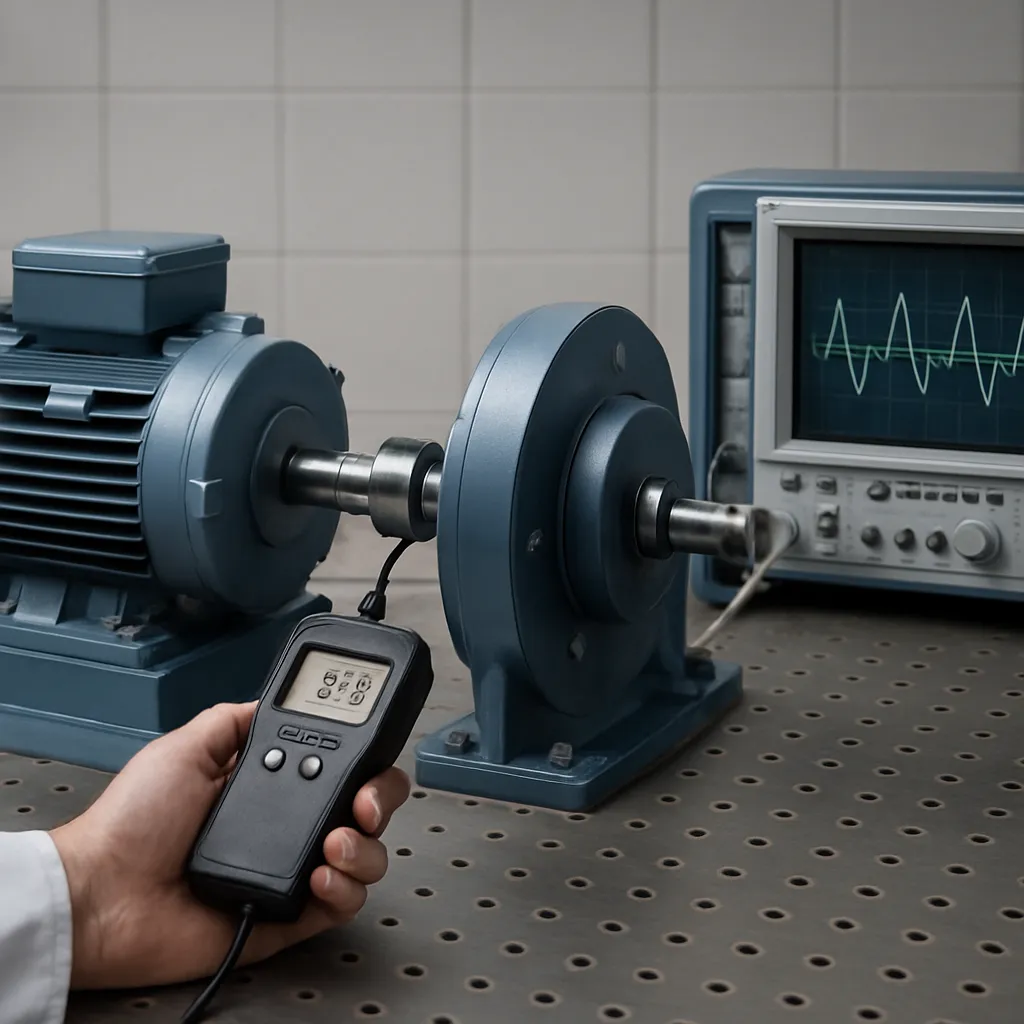
The interplay between mechanical design and real-world operation demands a deep understanding of how machines generate and sustain power. From heavy-duty turbines to compact electric motors, every system requires meticulous analysis to ensure optimum efficiency and longevity. This article delves into the intricate processes by which engineers measure, test, and validate machine capabilities, highlighting key principles, cutting-edge techniques, and emerging trends.
Fundamental Concepts of Machine Power Measurement
Measuring machine power begins with the relationship between force and motion. In rotating equipment, power output is directly tied to the product of rotational speed and torque. Translating this mechanical interaction into quantifiable data involves a range of sensors and instruments designed to capture real-time variables.
Defining Torque and Speed
Torque sensors often employ strain gauges or magnetic coupling methods to detect twisting forces on shafts. Combined with tachometers that monitor revolutions per minute (RPM), engineers can calculate instantaneous power. The formula P = τ × ω (where τ is torque and ω is angular velocity) remains a cornerstone of these evaluations.
Role of Dynamometers
A dynamometer serves as a controlled loading device, simulating real-world resistance to assess motor behavior under varying conditions. There are two primary types:
- Absorption Dynamometers: Convert mechanical energy to heat via fluid or electric braking systems.
- Transmission Dynamometers: Transfer power between the test machine and a prime mover, allowing bidirectional testing.
Testing Techniques and Equipment
Rigorous testing demands sophisticated setups. Laboratories often feature custom-built test benches, environmental chambers, and high-speed data acquisition systems. These components work together to ensure repeatable, high-fidelity measurements.
Calibration and Standards
Accurate results hinge on regular calibration of every sensor. Calibration protocols reference national or international standards, such as those from the International Organization for Standardization (ISO) or the American National Standards Institute (ANSI). Traceable calibration ensures that readings from torque transducers, pressure gauges, and thermocouples remain reliable.
Data Acquisition and Analysis
Modern testing rigs incorporate digital signal processors and high-resolution analog-to-digital converters. These systems capture thousands of samples per second, enabling fine-grained observation of transient events such as start-up surges or load dumps. Engineers use specialized software to filter noise, extract meaningful trends, and calculate precision metrics, like mean deviations and standard error.
Applications in Industry
Knowing how to measure and test machine power is vital across sectors, from automotive to aerospace. Each industry presents unique challenges and priorities, driving the adoption of tailored solutions.
Automotive Powertrains
Engine and motor testing on chassis dynamometers replicates real-world driving cycles. Parameters such as fuel consumption, emissions, and acceleration curves define performance benchmarks. Electric vehicles add complexity by requiring evaluation of battery discharge rates and regenerative braking efficiency.
Heavy Machinery and Turbines
In power generation, gas turbines and industrial compressors are tested for load response and thermal stability. Testing at full scale can involve megawatt-level power flows, demanding robust instrumentation and stringent safety protocols. Acoustic monitoring and vibration analysis help detect early signs of wear or imbalance.
Robotics and Automation
Automated manufacturing cells rely on servo motors and actuators that undergo continuous dynamic testing. Engineers employ iterative cycles of stress loading and cooldown phases to gauge fatigue life. Motion profiles are programmed to mimic complex assembly tasks, ensuring that robotic systems maintain load accuracy under extended operation.
Safety Considerations and Best Practices
Testing high-power machines inherently involves risks. Spinning components, high voltages, and extreme temperatures necessitate comprehensive protocols. Personal protective equipment (PPE), emergency stop circuits, and secure enclosures are nonnegotiable elements.
Risk Assessment and Mitigation
Before any test, teams conduct hazard analyses to identify failure modes. Redundant sensors, interlocks, and automated shutdown routines minimize the chance of catastrophic events. Periodic audits and innovation in safety technology, such as real-time fault detection, further bolster operational integrity.
Environmental and Regulatory Compliance
Disposal of test fluids, noise emissions, and energy consumption figures fall under environmental regulations. Compliance with directives like the European Union’s Machinery Directive or the Occupational Safety and Health Administration (OSHA) standards in the United States ensures that testing facilities meet legal and ethical obligations.
Emerging Trends and Future Directions
The landscape of machine power measurement is evolving. Advances in sensor technology, data analytics, and simulation are reshaping how tests are designed and executed.
- Automation of test sequences reduces human error and increases throughput.
- Integration of digital twins allows virtual testing before physical prototypes are built.
- Adoption of wireless sensor networks simplifies installation and improves scalability.
- Machine learning algorithms identify subtle anomalies in vast datasets, informing predictive maintenance strategies.
As industry demands shift towards sustainability and digitalization, engineers will continue refining methods to measure, test, and enhance machine power. These innovations not only drive operational excellence but also pave the way for more resilient and eco-friendly solutions.