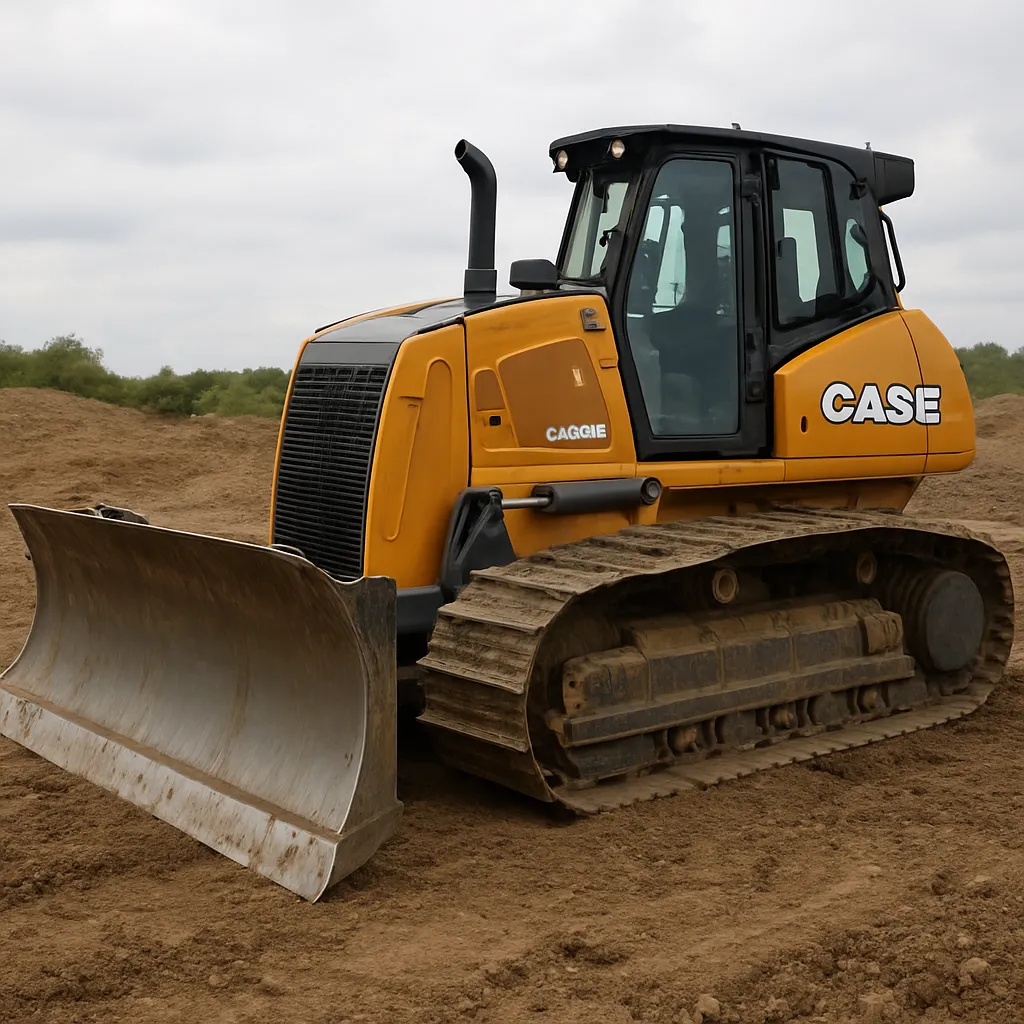
The Case 1150M dozer is a versatile medium‑sized crawler that occupies a valuable position in the fleet of contractors, land managers, and heavy‑equipment rental companies. Built to balance power, agility, and durability, the 1150M is designed for a wide variety of earthmoving tasks — from site preparation and grading to forestry clearing and road maintenance. In the sections that follow, we will explore the machine’s design philosophy, typical applications, technical highlights and maintenance considerations, and practical guidance for getting the most value from a 1150M in everyday operations.
Overview and design philosophy
The Case 1150M blends robust mechanical engineering with features aimed at improving operator productivity and reducing life‑cycle costs. At the core of its design is a focus on providing consistent blade performance and reliable traction under varied ground conditions. The 1150M is intended to be a dozer that is both rugged enough for heavy work and nimble enough to operate efficiently on tighter job sites.
Case machines like the 1150M typically emphasize:
- Durability in structural components (frame, blade mounts, and undercarriage).
- Serviceability through accessible maintenance points and modular components.
- Operator comfort and visibility enhancements to reduce fatigue and increase precision.
- Fuel efficiency and torque characteristics suitable for pushing and ripping tasks.
Although exact specifications can vary by market and configuration, the 1150M is commonly positioned in the medium dozer segment and is engineered to handle a broad spectrum of commercial and municipal work without the operational complexity or cost of very large crawler dozers.
Typical applications and industries
The Case 1150M is used across many sectors due to its combination of size, blade capacity, and traction. Typical application areas include:
- Construction and site preparation — cutting, filling, grading, and finish‑grading for residential, commercial, and light civil works.
- Road and infrastructure maintenance — shaping roadbeds, shoulder work, and shaping drainage ditches.
- Forestry and land clearing — pushing debris, clearing brush, and creating firebreaks when fitted with appropriate attachments.
- Quarrying and aggregates — reclaiming stockpiles, reshaping quarry floors, and assisting loading operations.
- Agriculture and land reclamation — leveling fields, constructing terraces, and preparing seedbeds.
- Utilities and pipeline — trench backfill preparation, right‑of‑way clearing, and pad construction for equipment.
Because of its medium size, the 1150M is particularly valued in environments where mobility, maneuverability, and a lower operating footprint are required compared to larger dozers. It often serves as a workhorse on projects where a balance of blade capacity and transportability matters.
Key technical features
The 1150M’s effectiveness is rooted in specific technical areas. Below are features commonly associated with this model and similar machines in the same class.
Powertrain and performance
Powertrain tuning for the 1150M prioritizes a robust torque curve that supports heavy pushing and low‑speed work. Typical machines in this class provide strong low‑end torque to maintain momentum on inclines and in dense material. Transmission and final drives are designed for reliability under high loads and to deliver consistent ground speed control for fine grading.
Blade options and attachments
Flexibility of the blade and attachment systems expands the 1150M’s utility:
- Straight blades (S‑blades) for pushing and basic leveling.
- Universal blades (U‑blades) for maximum material carrying capacity.
- Semi‑universal blades (SUA) for a balance between capacity and control.
- Angle and hydraulic‑tilt blades for finishing and ditch work.
- Rippers (single or multi‑shank) for loosening compacted soil and breaking hardpan.
- Winches or stump removal attachments for forestry and specialty clearing tasks.
Under carriage and traction
The undercarriage is a critical cost center for dozer ownership. Case designs for this class focus on:
- Heavy‑duty track frames to resist bending and wear.
- Sealed and lubricated track (SALT) or oil‑felt seals in pins and bushings to extend life.
- Wide track shoes or variable shoe widths to manage ground pressure depending on soil type.
Operator environment and controls
Modern 1150M units emphasize ergonomic controls, clear sightlines to the blade, and vibration/dust reduction. Many are equipped with adjustable seats, climate control, and a user‑friendly instrument cluster. These features contribute to improved operator productivity and lower fatigue during long shifts.
Maintenance, lifecycle costs, and reliability
Owners of the Case 1150M generally evaluate total cost of ownership by combining initial purchase price, maintenance requirements, fuel consumption, and resale value. Several practical maintenance philosophies apply to this model:
- Regular undercarriage inspection and early replacement of wear components (pads, rollers, idlers) can substantially reduce long‑term repair costs.
- Scheduled oil and filter changes for engine, hydraulic system, and final drives improve component life.
- Monitoring hydraulic hose condition and performing preventive replacement based on hours and wear prevents costly downtime.
- Using OEM or high‑quality aftermarket parts for wear components tends to extend service intervals and improve resale value.
Reliability typically depends on proper match of machine configuration to task, operator training, and adherence to maintenance intervals. In rental and heavy‑use environments, an aggressive preventive maintenance plan is essential to sustain equipment availability and protect investment.
Fuel efficiency and environmental considerations
Fuel efficiency depends on the engine tune, duty cycle, and operator technique. Machines in the 1150M class are often optimized for lower fuel consumption through torque management and efficient hydraulics. Many modern Case engines designed for this class meet regional emissions standards (EU Stage or EPA Tier levels), using aftertreatment or engine calibration to reduce particulate and NOx output.
Practical environmental considerations when operating a 1150M include:
- Using low‑sulfur diesel and proper oil types to meet emissions equipment requirements.
- Minimizing idle time to conserve fuel and reduce emissions.
- Employing biodegradable hydraulic fluids in sensitive areas when required by regulation.
- Applying erosion‑control measures after grading and soil disturbance to protect waterways.
Safety features and operator best practices
Case designs emphasize operator safety with rollover protection, enhanced visibility, and safety interlocks. Practical measures for safe operation include:
- Pre‑start inspections to verify track tension, blade mount security, and fluid levels.
- Clear communication on site, particularly when reversing or operating near other assets.
- Keeping bystanders away from the machine envelope and swing radius of attachments.
- Using proper PPE and ensuring the cab door and windows are maintained for visibility and protection.
Operator training is one of the best investments for a fleet. Skilled operators reduce fuel consumption, wear on the undercarriage, and the risk of accidents that can lead to expensive repairs or downtime.
Economic considerations: purchase, rental, and resale
Decisions to buy, lease, or rent a Case 1150M should be driven by utilization forecasts, financing costs, and project duration. Common economic considerations include:
- High utilization often favors ownership because initial capital expense is offset by prolonged revenue service.
- Short‑term needs or irregular projects often make rental more cost‑effective, avoiding long‑term maintenance liabilities.
- Resale value varies with the global market for used heavy equipment, but machines with documented service history and OEM parts tend to achieve higher market prices.
- Warranty coverage at purchase and extended coverage options influence repair costs in the first years of operation.
Fleet managers also track metrics like cost per hour and machine availability to evaluate how the 1150M performs relative to other options in the fleet. Proper maintenance and thorough recordkeeping improve marketability when the machine is later sold.
Comparison with competitors and complementary machines
Within the medium dozer segment, the Case 1150M competes with models from other major manufacturers that aim to balance power and maneuverability. When selecting a machine, consider:
- Net horsepower and torque curves — important for match to job demands.
- Blade types, capacities, and exchangeability for the range of tasks you expect.
- Undercarriage design and track options for local ground conditions.
- Dealer network and parts availability to support uptime.
In many fleets, the 1150M is complemented by smaller dozers for finish‑grading and larger models for heavy bulk earthmoving. Additionally, compact track loaders and motor graders may share responsibilities for finishing and precision grading work, creating a balanced fleet where each machine is used for its strengths.
Operational tips and productivity advice
Maximizing productivity with a 1150M involves a combination of operator technique and machine configuration:
- Match the blade style to the task — avoid using a U‑blade where an S‑blade provides better control for finish work.
- Adjust track gauge and shoe width to balance flotation and traction for soil conditions; wider shoes reduce ground pressure in soft soils.
- Train operators in efficient push patterns, including staged stacking and spreading to minimize re‑passes.
- Use the ripper where appropriate to reduce strain on the machine and speed up material loosening before dozing.
- Monitor fuel consumption and engine load to identify operator behaviors or mechanical issues that reduce efficiency.
Case studies and real‑world examples
Across global markets, 1150M‑class dozers are frequently used for projects such as:
- Urban redevelopment projects where a medium dozer must operate safely near structures and utilities while preparing subgrades.
- Rural road repairs after seasonal weather damage — the 1150M’s combination of blade control and traction makes it effective for regrading shoulders and restoring drainage.
- Small‑scale mining sites where flexibility and the ability to navigate confined benches are important.
- Forestry operations using reinforced undercarriages and protective screens to withstand debris and reduce downtime from track damage.
In many of these examples, clients report that the machine’s balance of size and capability permits them to perform tasks with fewer machine movements and less need to bring in larger, more expensive equipment.
Common upgrades and aftermarket options
Owners often invest in specific upgrades to tailor the 1150M to their operating environment:
- Heavy duty undercarriage packages for abrasive or rocky conditions.
- Enhanced operator comfort packages: air conditioning, advanced suspension seats, and noise reduction upgrades for long shifts.
- Specialized blades (high‑strength, bolt‑on cutting edges, or wear packages) to extend life in aggressive applications.
- Telematics and machine‑management systems to monitor hours, location, fuel usage, and fault codes — enabling predictive maintenance and better jobsite logistics.
Lifecycle and sustainability considerations
Prolonging the lifecycle of a 1150M reduces total environmental footprint and improves economics. Sustainability measures include:
- Implementing reconditioning programs for used machines to reuse major components rather than replacing entire units.
- Choosing remanufactured parts and fluids with lower environmental impact where possible.
- Optimizing site logistics to minimize travel time and idling, thereby reducing fuel use and emissions.
Manufacturers and dealers increasingly offer reman programs and recycling initiatives for major components — initiatives that both reduce waste and maintain the value of an asset over time.
Final considerations for prospective buyers and fleet managers
When evaluating a Case 1150M purchase or lease, consider the following checklist:
- Clarify expected annual hours to decide between purchase and rental.
- Request detailed maintenance and repair history for used units.
- Inspect the undercarriage carefully — it is a major determinant of remaining useful life and replacement cost.
- Confirm availability of dealer support, OEM parts, and regional service expertise.
- Consider telematics as a tool for managing utilization and preventive maintenance remotely.
The 1150M is a practical choice for contractors needing a reliable, medium‑sized dozer that can be adapted to many tasks. With the right configuration and preventive maintenance approach, it can deliver strong service life, predictable operating costs, and the versatility demanded by multi‑discipline worksites.
Case 1150M machines continue to be a widely used option where balanced performance, manageable operating costs, and adaptability to multiple tasks are priorities. Whether for a single project or as part of a larger fleet, thoughtful matching of machine configuration, operator training, and maintenance strategy will produce the best outcomes in productivity and longevity.


)
)