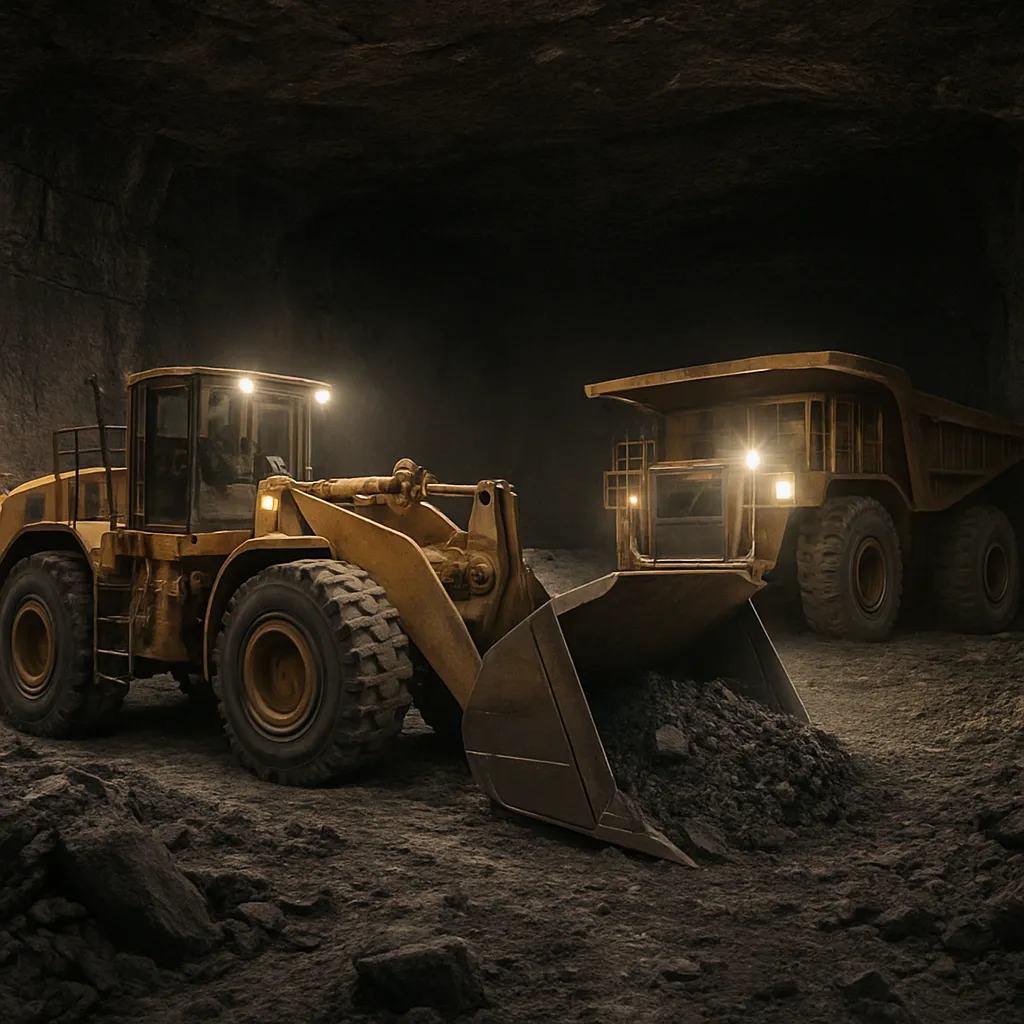
Deep underground, where light barely penetrates and temperatures soar, a fleet of powerful machines works relentlessly to extract valuable minerals. Each machine combines cutting-edge hydraulics, robust structural alloys, and advanced automation systems to operate under conditions that would challenge ordinary equipment. From colossal haul trucks to precision drilling rigs, these mechanical giants transform raw rock into the essential components of modern life.
Equipment Design Principles
Designing machinery for the deepest mines demands a focus on durability and reliability. Engineers select high-strength steel and specialized composites to withstand pounding vibrations and abrasive rock contact. Key design elements include:
- Reinforced frames that resist bending and fatigue when carrying massive loads.
- Heavy-duty suspensions built to absorb shocks on uneven subterranean roadways.
- Sealed enclosures that prevent dust and moisture infiltration into electronic controls.
- Redundant systems to allow continued operation even if a primary component fails.
Each machine integrates precision sensors to monitor crucial parameters—oil pressure, hydraulic temperature, filter life—and relay data to a central control hub. Real-time monitoring enhances uptime by predicting maintenance needs before a breakdown occurs. The interplay of mechanical strength and sophisticated electronics defines the next generation of mine machinery.
Operating at Extreme Depths
Deep mines often extend over two kilometers beneath the surface, where rock stresses and geothermal heat create a hostile environment. Equipment must overcome these challenges through:
- Enhanced cooling systems that circulate coolant through engine blocks and hydraulic lines to prevent overheating.
- Powerful torque outputs to drive drills and loaders through dense ore layers.
- Specialized tires and tracks with optimized tread patterns to navigate steep inclines on slick floors.
Operators rely on remote-control stations and autonomous routines to reduce human exposure to potential hazards like rock bursts or gas leaks. Advanced automation platforms can pilot haul trucks along predetermined routes, improving both efficiency and safety. In emergencies, machines can be directed to safe zones with a push of a button, thanks to integrated GPS–like positioning systems adapted for underground use.
Case Study: Longwall Mining Shears
In continuous mining operations, a longwall shearer moves along a coal face, slicing off layers of material as hydraulic supports shift to maintain roof stability. These machines use:
- High-speed cutting drums with replaceable carbide tips.
- Self-propelled drive units that maintain consistent advance rates.
- Automated canopy control to adapt to varying seam thickness.
By combining precision cutting with stringent safety protocols, longwall systems extract vast amounts of ore while minimizing downtime for roof falls or equipment adjustments.
Maintenance and Safety Protocols
Routine upkeep is the backbone of uninterrupted mine operations. A structured maintenance schedule typically includes:
- Daily inspections of hydraulic hoses and filter elements.
- Weekly lubrication of pivot points and bearings.
- Monthly calibration of control sensors and emergency shutdown circuits.
Technicians use mobile diagnostic kits equipped with thermal imaging and vibration analyzers to pinpoint emerging issues. A single overheated bearing or misaligned drive train can escalate into a costly repair, so predictive maintenance is essential. Moreover, stringent safety checks—such as verifying operator visibility and testing backup power—ensure that every machine meets regulatory standards.
Comprehensive training programs enable crews to handle critical scenarios. Simulators recreate rock bursts, hydraulic failures, and electrical faults, allowing operators to practice emergency responses in a risk-free environment. The emphasis on automation doesn’t replace human judgment; rather, it augments it by providing timely alerts and suggested corrective actions.
Emerging Technologies and Future Directions
The next wave of mining machinery will leverage innovations in electrification, AI-driven analytics, and advanced materials. Key trends include:
- Battery-electric loaders that eliminate diesel emissions underground, improving air quality and reducing ventilation costs.
- Machine learning algorithms that analyze operating data to optimize fuel consumption and minimize wear.
- Adaptive suspension systems using magnetorheological fluids for real-time damping adjustments.
- Modular machine designs that allow quick replacement of major assemblies, cutting service downtime.
Research into autonomous drilling platforms aims to increase excavation precision and extend operational windows by running shifts around the clock. Meanwhile, developments in 3D printing of spare parts promise on-site fabrication of critical components, slashing lead times and inventory costs. As mines venture deeper, these forward-looking technologies will define the frontier of subterranean resource extraction, marrying innovation with unwavering robustness.