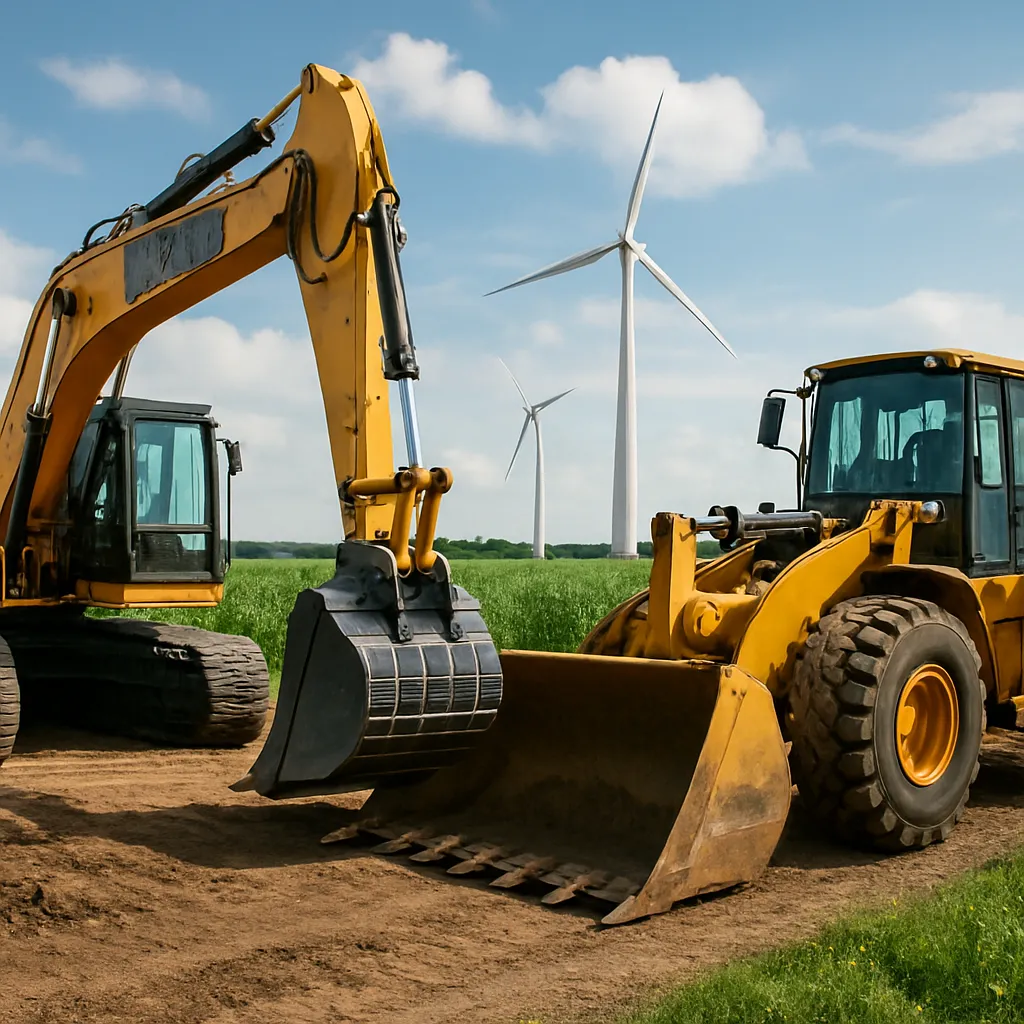
The construction and industrial sectors are undergoing a major transformation as companies strive to reduce their environmental impact. Heavy machinery, once notorious for high fuel consumption and carbon emissions, is now at the forefront of innovation. This article explores how manufacturers are developing sustainable solutions, integrating cutting-edge technologies, and implementing operational practices that minimize ecological footprints on job sites around the world.
Embracing Sustainability in Heavy Equipment Design
Designing machinery with efficiency and sustainability in mind begins long before the first prototype rolls off the production line. Engineers and product managers collaborate to choose materials, power sources, and configurations that reduce energy consumption and extend machine lifespan.
- Lightweight Materials: Advances in high-strength alloys and composites allow manufacturers to build frames and components that are up to 30% lighter than traditional steel. This weight reduction directly translates to fuel savings and lower emissions during operation.
- Modular Designs: Interchangeable parts and modular subassemblies simplify maintenance and repair. Customers can replace only the worn components rather than buying entirely new machines, reducing material waste and conserving resources over the equipment’s lifecycle.
- Renewable Energy Integration: Some models now come equipped with solar panels or small wind turbines mounted on cabins. These auxiliary power sources can run onboard electronics and hydraulic pumps without idling the main engine, cutting down on unnecessary fuel burn.
Eco-Certifications and Standards
Manufacturers pursue certifications like ISO 14001 for environmental management and Tier 4 Final emissions compliance to demonstrate their commitment. By meeting or exceeding these benchmarks, heavy equipment makers not only reduce regulatory risks but also gain a competitive advantage in markets that value green credentials.
Innovations in Green Machinery Technologies
Recent breakthroughs in alternative propulsion and advanced control systems are reshaping the heavy equipment landscape. From fully electric earthmovers to hydrogen-fueled cranes, a wave of green machines is entering construction sites worldwide.
- Electric Powertrains: Battery-electric excavators and loaders eliminate tailpipe emissions and deliver quieter operation. Rapid progress in energy density and charging speed has made electric models viable for even demanding projects.
- Hydrogen Fuel Cells: Combining hydrogen with oxygen produces electricity and water vapor. Fuel-cell forklifts and compactors equipped with 100 kW systems can operate continuously with a single 15-minute refueling, matching diesel performance without carbon output.
- Advanced Telematics: Real-time monitoring of fuel consumption, engine load, and idle time empowers fleet managers to optimize resource use. Predictive maintenance algorithms use sensor data to schedule service before breakdowns occur, improving uptime and reducing waste from emergency repairs.
Smart Automation and AI
Artificial intelligence and machine learning are enabling semi-autonomous and fully autonomous equipment. These systems can calculate the most efficient digging paths, minimize rework, and coordinate multiple machines to reduce overlapping operations. The net effect is less fuel burned and fewer greenhouse gas emissions per cubic meter of material moved.
Operational Strategies for Eco-Friendly Construction
Beyond the hardware itself, job site practices play a crucial role in achieving environmental goals. Construction managers are adopting strategies to streamline workflows, optimize resource allocation, and reduce on-site disturbances.
- Load Matching: Selecting the right machine size for each task prevents overuse of large equipment on small jobs and avoids underpowered units on heavy workloads. This tailored approach maximizes productivity and curtails unnecessary idling.
- Integrated Site Planning: Digital twins and 3D site models help plan material staging and traffic routes, minimizing haul distances. Fewer travel miles by trucks and loaders result in lower diesel consumption and reduced noise pollution in nearby communities.
- Idle Reduction Policies: Automatic shutdown systems deactivate engines after predetermined idle periods. Training operators on best practices—such as shutting down engines during lunch breaks—further cuts fuel usage and emissions.
Recycling and Circular Economy
Construction waste is a significant contributor to landfills. Manufacturers and contractors collaborate to reclaim metal, concrete, and plastics from decommissioned equipment. Components like hydraulic pumps and motors are remanufactured or recycled, closing the loop and fostering a circular economy in heavy machinery.
The Future of Green Heavy Equipment Manufacturing
As global infrastructure needs grow, the pressure to limit environmental harm intensifies. Industry leaders are setting ambitious targets to achieve net-zero emissions by 2050, and heavy equipment makers are critical partners in this endeavor.
- Carbon-Neutral Factories: Major manufacturers aim to power production plants entirely with renewable energy. Solar farms, wind turbines, and geothermal sources supply clean electricity for assembly lines and paint shops.
- Biomaterials and Biofuels: Research into biodegradable hydraulic fluids and bio-based lubricants reduces dependence on petroleum. Using waste oils from agriculture or forestry as feedstocks supports local economies and cuts carbon intensity.
- Lifecycle Assessments: Tools that measure cradle-to-grave environmental impact guide design choices and help prioritize high-impact areas for improvement. By quantifying metrics such as water usage, CO2 emissions, and material scarcity, manufacturers make data-driven sustainability decisions.
Collaborative Industry Initiatives
Partnerships among OEMs, contractors, government bodies, and research institutions accelerate progress. Joint ventures fund new R&D, pilot projects validate emerging technologies, and knowledge sharing platforms disseminate best practices globally. This collaborative spirit ensures that the shift toward greener heavy equipment is rapid, effective, and inclusive.