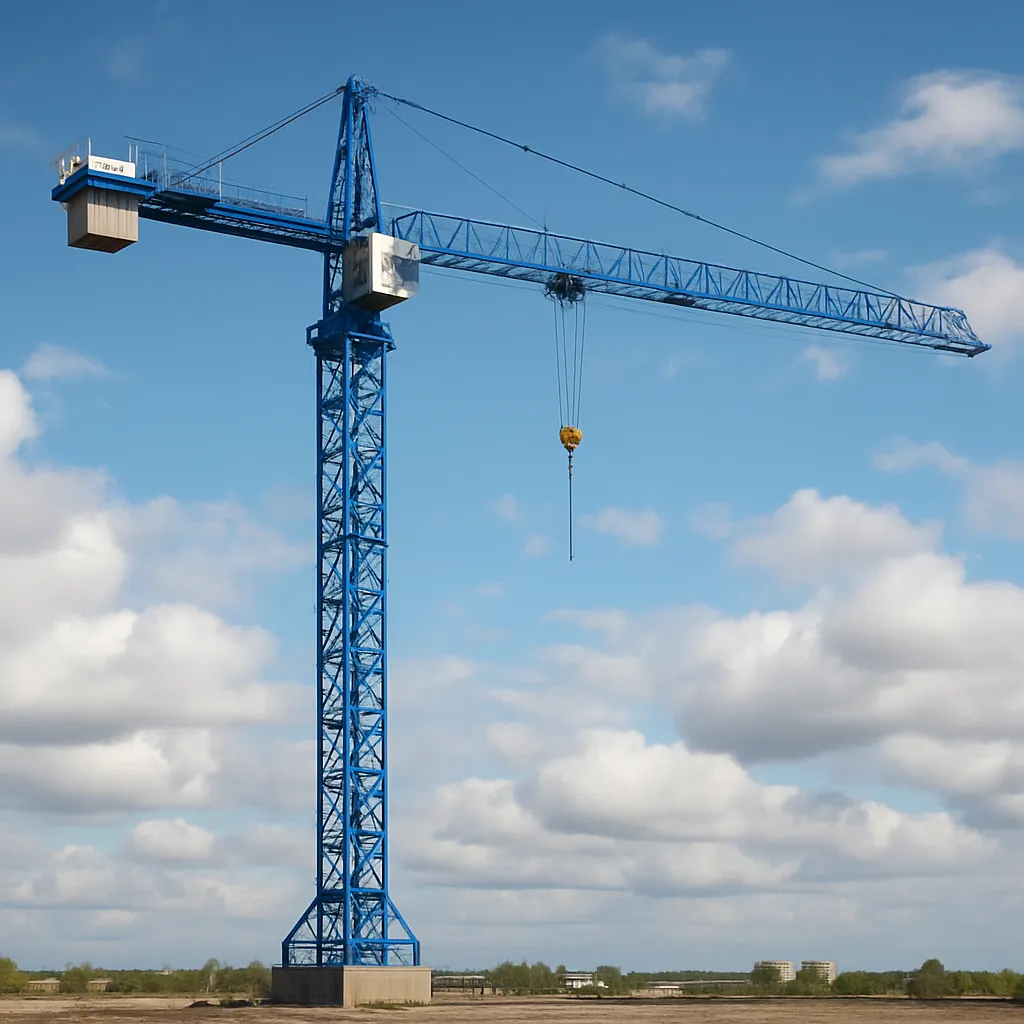
The COMANSA 16LC260 is a versatile tower crane model designed for a wide range of construction projects, combining robust lifting capacity with modular configuration options. This article reviews its typical technical features, practical applications, operational considerations, safety and maintenance practices, and the economic and environmental aspects that make it a popular choice for contractors seeking reliable on-site performance. Where precise numerical data vary by configuration, indicative ranges are provided to give a realistic picture of what to expect from the machine.
Overview and design philosophy
The COMANSA 16LC260 belongs to Comansa’s family of lattice-jib tower cranes oriented toward medium-to-large scale construction tasks. The model designation typically indicates the nominal maximum capacity class (16 tonnes) and a model code relating to its structural series. The crane is built to be modular, enabling rapid assembly, adaptability to site constraints, and a variety of jib and tower combinations that tailor lifting performance to project needs.
Key design goals for the 16LC260 include:
- High operational reliability under continuous site use.
- Configurable reach and capacity to match building height and lift requirements.
- Enhanced operator ergonomics and control precision for safer lifts.
- Compatibility with standard tower sections and tie-in systems to simplify logistics.
Typical technical specifications (indicative)
Exact specifications for the COMANSA 16LC260 can vary depending on the selected jib length, counterweight arrangement, mast height, and optional equipment. The following figures are indicative to help planners and engineers assess suitability. Always consult the manufacturer or an authorized dealer for certified data tailored to a specific configuration.
- Rated maximum capacity: typically up to 16 tonnes at short radius (indicative).
- Maximum radius (jib length): commonly available in multiple jib lengths; many configurations support jib lengths in the range of 40–75 metres, with custom options possible.
- Tip load: highly dependent on jib length; for long jibs (60–75 m) tip loads are substantially lower than the crane’s maximum—typical tip capacities range from a few hundred kilograms to a couple of tonnes.
- Working speeds: hoist, trolley, and slewing speeds tuned for smooth operation; variable frequency drives often provide fine control and energy efficiency.
- Foundations and freestanding height: freestanding heights depend on mast sections; cranes of this class commonly achieve tens of metres freestanding and can exceed 100 metres when tied into structures with appropriate mast extensions and tying systems.
- Electrical and power options: standard mains electric drive; optional diesel generators or hybrid systems for sites without reliable grid access.
Note: These ranges are intended to indicate the model’s flexibility rather than precise, certified capacities. Final load charts, stability data, and configuration limits must be obtained from Comansa documentation for safe operation.
Applications and industries
The COMANSA 16LC260 is suitable for a wide range of construction environments where medium-to-high lifting capacity and substantial outreach are required. Typical applications include:
- High-rise construction: delivering structural elements, formwork, concrete buckets, and mechanical components to elevated floors. The modular mast system enables tailored height to match progressive building erection.
- Commercial complexes: warehouses, shopping centres, and mixed-use developments where medium-range lifts and significant outreach are common.
- Infrastructure projects: bridges, rail stations, and utility installations that require precise placement of heavy prefabricated units.
- Industrial plants: construction and maintenance of process equipment, reactors, and modular skids where frequent heavy lifts and accurate placement are necessary.
- Wind energy and prefabrication yards: for assembling tower sections, nacelles, or large prefabricated structural elements—especially in cases where repeated lifts of similar weight and center-of-gravity occur.
Its combination of capacity and reach makes the 16LC260 especially useful on jobs where a single crane must cover broad site footprints and handle a diverse mix of loads without frequent crane changes.
Operational features and controls
Modern tower cranes such as the COMANSA 16LC260 incorporate a suite of operational technologies aimed at improving productivity and safety. Typical features include:
- Advanced load moment and overload protection systems that continuously monitor lifting conditions and prevent unsafe operations.
- Proportional controls for hoist, trolley, and slewing functions—often implemented via variable frequency drives for smoother movement and lower energy consumption.
- Cab ergonomics designed for extended shifts: climate control, panoramic visibility, electronic readouts of load, radius, and working envelope.
- Remote monitoring and telematics options that allow fleet managers to track utilization, operating hours, and maintenance alerts.
- Multiple operating modes (e.g., heavy lift, high speed) to optimise performance for different phases of the project.
Operators benefit from precise control and clear instrumentation, reducing lift cycle time and improving placement accuracy—two factors that can materially affect total project duration and cost.
Assembly, transport and adaptability
A key advantage of the COMANSA 16LC260 is its modularity. The crane can be transported in standard-sized components and assembled on site using the following principles:
- Mast sections and tower segments sized for truck transport and crane-assisted erection.
- Jib delivered in sections and assembled with bolted connections and pinning to allow different jib lengths.
- Counterweights arranged in blocks to simplify incremental addition during erection and dismantling.
- Options for climbing under load or external climbing frames, permitting the crane to increase height with the building as it rises.
This modular approach reduces logistics complexity and on-site assembly time relative to non-modular designs. It also increases the crane’s adaptability to projects with changing height and reach demands.
Safety and compliance
Safety is central to tower crane design and operation. The COMANSA 16LC260 typically integrates multiple protective systems and is intended to be used in compliance with international standards such as EN 14439 and national regulatory frameworks. Common safety and compliance elements include:
- Load moment and anti-tipping devices that cut power or limit operations when limits are approached.
- Wind speed monitoring and programmed limits to prevent operations in dangerous conditions.
- Anti-collision systems for sites with multiple cranes, reducing the risk of interference between cranes.
- Emergency descent and brake systems to secure loads in case of power loss or component failure.
- Comprehensive documentation: load charts, erection manuals, maintenance plans, and operator training guidance.
Proper use requires certified operators, regular inspections by qualified personnel, and adherence to site-specific lifting plans and exclusion zones. The presence of integrated safety systems makes the crane a strong candidate for sites with rigorous safety programs.
Maintenance, service life and lifecycle costs
Tower crane lifecycle costs are driven by purchase price, transport and erection costs, fuel or energy consumption, maintenance, downtime, and eventual resale or disposal. For the 16LC260, important maintenance considerations include:
- Scheduled lubrication and inspection of the hoist, trolley, slewing ring, and gearbox components.
- Regular structural inspections for fatigue, corrosion, and fastener integrity—especially important in coastal or corrosive environments.
- Electronic diagnostics and software updates to keep control systems and safety interlocks current.
- Consumables replacement (brake materials, wire ropes, bearings) as part of a preventive maintenance program.
With proper care, tower cranes like the COMANSA 16LC260 can deliver many years of service. The total cost of ownership is often favourably affected by the machine’s durability and the global availability of parts and service from manufacturer networks.
Economic and environmental considerations
Choosing a crane model impacts both project economics and environmental footprint. Relevant factors for the COMANSA 16LC260 include:
- Efficiency: variable-speed drives and optimized motor sizing can reduce electrical consumption during repetitive lifts, lowering operating costs.
- Utilization: a crane with the correct combination of capacity and reach can decrease the need for multiple cranes, reducing mobilisation and labour costs.
- Emissions: electric drives powered by grid electricity typically produce lower on-site emissions than diesel-driven alternatives. Hybrid or generator-backed options can be used where grid power is unavailable.
- Resilience and resale value: widely used models often maintain strong resale value, which mitigates total lifecycle cost.
Project managers increasingly weigh these factors when selecting cranes, as both cost savings and environmental performance contribute to project sustainability targets.
Comparisons and market context
Within the marketplace, the COMANSA 16LC260 competes with similarly classed lattice-jib cranes from other manufacturers. Differentiating points typically include service network reach, optional equipment availability, control systems sophistication, and ease of assembly. When comparing models, consider:
- Actual load charts at specific radii rather than only peak capacity numbers.
- Transport and erection time implications based on component sizing.
- Availability of tailored options such as remote monitoring, anti-collision systems, or rapid erection kits.
- Manufacturer support and parts lead times in the regions where the crane will operate.
Choosing the right model often depends on matching specific project lift profiles to a crane’s torque, hoist speed, and stability characteristics rather than selecting purely on nominal tonnage.
Operational tips and best practices
To maximise the value offered by the COMANSA 16LC260 on a project, operators and site managers should apply best practices such as:
- Developing detailed lift plans that account for load weight, centre of gravity, radius, and any dynamic effects during placement.
- Training operators on the crane’s specific control behaviours and safety systems, including emergency procedures.
- Monitoring site wind conditions and incorporating conservative limits in lift planning.
- Scheduling preventive maintenance aligned with operating hours to reduce unplanned downtime.
- Using telematics and remote diagnostics to monitor utilisation and identify emerging issues early.
These measures reduce risk, improve lift productivity, and protect the long-term value of the asset.
Innovations and future trends
Crane technology continues to evolve with a focus on automation, energy efficiency, and digital integration. For models like the 16LC260, future and optional innovations include:
- Enhanced telematics with predictive maintenance algorithms to forecast component wear and schedule interventions before failures occur.
- Integration of advanced human-machine interfaces that improve situational awareness for operators.
- More efficient electric drives and energy recovery systems that capture energy from lowering loads.
- Expanded anti-collision and site integration systems allowing multiple cranes and plant to cooperate with reduced supervision.
These trends aim to increase uptime, lower costs, and improve safety—factors that directly influence project timelines and budgets.
Summary
The COMANSA 16LC260 is a versatile, modular tower crane that suits a broad range of construction and industrial projects requiring mid-to-high lifting capacity and variable reach. Its strengths lie in configurable jib and mast options, robust safety features, and potential for modern control and telematics integration. While exact numbers (such as jib lengths, tip loads, and freestanding heights) are configuration-dependent and must be confirmed from official load charts, the model typically serves contractors who need a reliable crane that balances lifting power with adaptability. Proper planning, certified operation, and a structured maintenance programme will ensure optimal performance and an economical lifecycle for projects of varying scale.


)
)