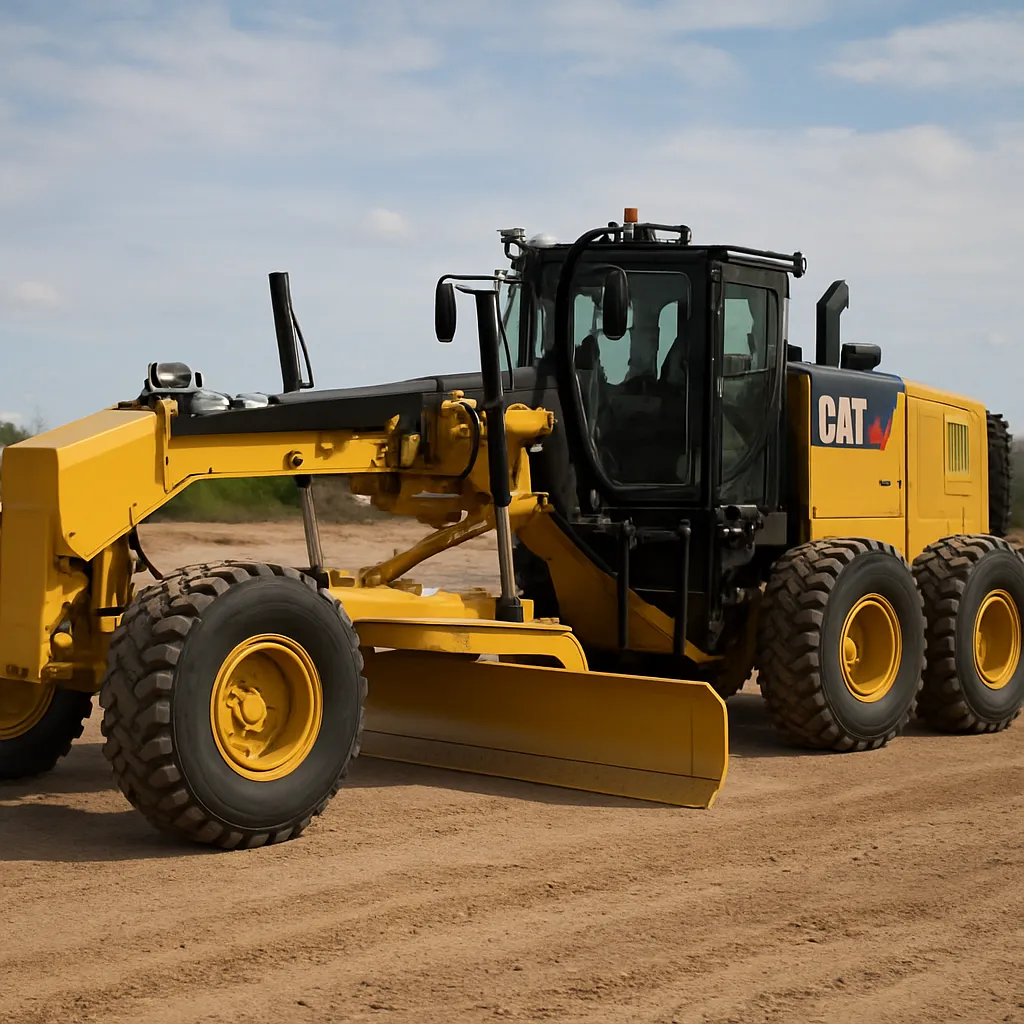
The Caterpillar 14M motor grader is a widely used piece of heavy equipment designed to shape and maintain flat surfaces, especially in road construction and earthmoving tasks. Combining precision, durability, and versatility, the 14M serves contractors, municipalities, and civil engineering teams for tasks ranging from rough grading to final surface trimming. In the following sections, we explore the machine’s design, typical applications, operational features, maintenance and economic considerations, and notable statistics and technologies that make the 14M a valuable asset on job sites worldwide.
Overview and core characteristics
The Caterpillar 14M is a mid-size, articulated frame motor grader intended for a broad range of grading and finishing tasks. It offers a balance between maneuverability and power that makes it suitable for urban projects, rural road maintenance, and construction sites where precision is important. The 14M is positioned by Caterpillar as a machine that blends traditional mechanical reliability with modern electronic control systems and attachments that extend its capabilities.
Key structural elements of the 14M include an articulated front frame for improved turning radius, a hydraulically adjustable circle and blade (moldboard) for varied cutting angles and pitch, and optional rear implements (such as rippers or scarifiers) to break up compacted surfaces. The operator station typically emphasizes visibility and ergonomics to improve productivity and reduce fatigue.
Design, powertrain and typical specifications
The technical design of the Caterpillar 14M focuses on durability and serviceability. Engine and drivetrain components are accessible for maintenance, while hydraulic systems are designed to provide smooth and responsive control of the moldboard and steering systems. Below are commonly cited figures and characteristics for this class of grader; values will vary slightly by model year and optional configurations, so the numbers are presented as approximate ranges.
- Engine power: approximately 125–180 kW (roughly 170–240 hp), depending on engine tuning and emissions controls
- Operating weight: roughly 14,000–18,000 kg (14–18 metric tonnes) based on standard and optional equipment
- Moldboard length: commonly about 3.6–4.3 m (12–14 feet), enabling broad cutting widths and effective material distribution
- Maximum travel speed: generally in the range of 30–40 km/h, sufficient for moving between work areas on large sites
- Steering and articulation: center articulation with hydraulic assist for tight turning and improved maneuverability
- Hydraulic systems: closed-center load-sensing systems on more recent models provide efficient power distribution to implements
- Cab: ROPS/FOPS certified with climate control, adjustable seat, and ergonomic controls; many units come with options for joystick control and integrated display systems
These specifications are intended to give a general profile of the 14M. Exact data should always be confirmed on the machine’s specification sheet for a given serial number or model year.
Primary applications and jobsite roles
The versatility of the Caterpillar 14M makes it suitable for multiple tasks across construction, municipal works, agriculture, and mining support operations. Typical applications include:
- Road construction and maintenance: forming road bases, spreading aggregate, smoothing surfaces, creating crowns and ditches
- Fine grading: achieving precise surface tolerances for paving preparation
- Ditching and slope work: using the circle and blade options to form drainage channels and consistent slopes
- Snow removal: with front-mounted blades or wing attachments, graders like the 14M can clear snow from wide lanes efficiently
- Site preparation: leveling building pads, creating trenches, and trimming shoulders
- Agricultural and forestry access: forming and maintaining access roads through varied terrain
In each of these roles, the grader’s value comes from the combination of a long cutting blade, the ability to make small incremental adjustments, and the operator’s visual control over surface texture. For projects where final surface tolerance is critical, the 14M can be equipped with additional grade control systems to raise accuracy and reduce rework.
Operator experience, controls and productivity features
Modern Caterpillar graders emphasize the operator as a productivity multiplier. The 14M’s cab and control layout are designed to minimize fatigue and enable long, accurate shifts. Important features and options that affect daily productivity include:
- Ergonomic controls: joystick or lever layouts with easy-reach adjustments for blade pitch, articulation, and circle rotation reduce operator strain
- Enhanced visibility: large glass areas and carefully positioned mirrors help the operator monitor blade edges and work areas
- Integrated displays: multi-function monitors provide engine and hydraulic diagnostics, service reminders, and optional integration with grade control systems
- Climate control: heated and air-conditioned cabs for improved operator comfort in extreme weather
- Optional automation: GPS or laser-based precision grade control systems can automate blade positioning for higher accuracy and speed
When equipped with Grade Control systems, the 14M can reduce staking and surveying time, cut material overrun, and speed up final pass operations. The productivity gains are often reflected in reduced labor hours and lower costs per square meter of graded surface.
Attachments, versatility and site adaptability
One of the 14M’s strengths is its adaptability through attachments and modular options. Common attachments include:
- Rear rippers or scarifiers for breaking compacted or frozen surfaces
- Front-mounted blades or snow wings for snow clearing and material push
- Various moldboard lengths and cutting edges for different materials and wear life
- Circle power-shift or hydraulic circle drive upgrades for different application preferences
- GPS antenna mounts and full 3D machine control kits for automated grading
These attachments allow a single 14M to act as a multi-purpose tool, reducing the need for multiple specialized machines on site and improving logistical efficiency. The grader’s configuration can be tailored to regional needs—e.g., cold-climate packages, heavy-duty protection for mining, or high-precision packages for paving contractors.
Maintenance, lifecycle costs and resale considerations
Responsible maintenance is crucial for keeping a 14M productive and preserving resale value. Caterpillar’s designs typically emphasize serviceability: grouped service points, accessible filters, and diagnostic ports help reduce downtime. Key maintenance considerations include:
- Regular engine and hydraulic oil changes per the manufacturer schedule
- Monitoring blade and cutting-edge wear and replacing worn components to avoid structural damage
- Track or tire inspection and alignment depending on drive configuration
- Using genuine replacement parts to extend component life and maintain warranty coverage
- Utilizing telematics and monitoring tools (such as Product Link) to track machine hours, idle time, and diagnostic alerts
From a cost perspective, initial purchase price, fuel consumption, maintenance intervals, and expected resale value determine the total cost of ownership. Graders with well-documented service histories and telematics-enabled maintenance logs often command higher prices on the used market. Many operators also consider the availability of local dealer support and parts when evaluating lifecycle economics.
Safety, emissions and environmental impact
Safety features on modern graders focus on reducing operator risk and exposure to hazards. Common safety elements include ROPS/FOPS-certified cabs, backup cameras and alarms, improved lighting packages for night operations, and stability-enhancing design elements. Proper training in grader operation is essential—especially for tasks that involve steep slopes, moving loads, or proximity to traffic.
On emissions, engines installed in 14M graders over various production years will comply with the emissions standards current at the time of manufacture (for example, Tier or Stage regulations). Newer 14M machines typically employ electronic engine management and after-treatment systems to meet stricter emissions requirements, resulting in lower NOx and particulate outputs. Fuel-efficiency improvements in recent model years also reduce greenhouse gas output per hour of operation, helping contractors meet sustainability goals.
Technology integrations: telematics and automated grading
One of the major trends influencing the 14M and other graders is the integration of electronic control and telematics. Typical technological offerings include:
- Telematics: remote monitoring systems that provide fuel usage, location, hours, fault codes, and maintenance alerts
- Grade control systems: laser, GPS, and 3D machine control options that automatically position the blade to achieve precise elevations and slopes
- Operator-assist features: on-board diagnostics, ride control, and auto-stabilization systems that smooth operator inputs
- Fleet management integration: systems that allow managers to monitor multiple machines and optimize usage
These technologies can significantly raise productivity by reducing human error, lowering rework, and shortening cycle times. Integration with broader fleet management software also helps contractors allocate resources, reduce idle time, and plan preventive maintenance more efficiently.
Market context and statistical considerations
Quantifying the impact of the Caterpillar 14M specifically in market terms depends on regional sales, fleet composition, and industry cycles. However, some general statistical observations relevant to mid-size motor graders include:
- Resale life: many motor graders in this class remain productive for 10–20 years with proper maintenance; machines with 10,000–15,000 operating hours are commonly seen on the used market
- Fuel consumption: depending on load and terrain, mid-size graders can consume anywhere from 10 to 40 liters per hour; typical operational averages often fall in the 12–25 L/h range during active grading
- Availability: Cat motor graders are well represented in contractor and municipal fleets globally, with varying market share by country depending on dealer networks
- Productivity gains: adoption of GPS grade control on graders can reduce grading time and rework by up to 30% in some projects, although exact figures depend on task complexity
Manufacturers’ published specification sheets and independent equipment reviews can provide precise model-year statistics. Buyers should consider local fuel prices, typical jobsite conditions, and expected utilization rates when modeling total operating costs.
Choosing a 14M for your fleet and final considerations
When evaluating a Caterpillar 14M for purchase or rental, consider the following checklist:
- Intended use: rough grading vs. fine grading vs. multi-purpose tasks
- Worksite access and transport requirements: machine weight and width affect road permits and trailer selection
- Optional packages: navigation of available packages (cold-weather, heavy-duty drivetrain, GPS-ready cab) for suitability
- Dealer support: proximity of authorized service, parts availability, and warranty options
- Technology readiness: whether integrated grade control or telematics are required immediately or may be added later
Compared with both smaller and larger graders, the 14M aims to occupy a middle ground—powerful enough for demanding tasks yet nimble enough for tighter urban sites. Properly spec’d, it can serve as a long-term workhorse that reduces cycle times and improves surface quality across many types of civil and maintenance projects.
Conclusion
The Caterpillar 14M motor grader is a versatile, mid-size machine that blends traditional grading capability with modern control and telematics options. Whether used for road building, site preparation, snow removal, or precision finishing, this grader provides a combination of blade control, operator comfort, and maintainability that supports efficient project delivery. Prospective buyers and fleet managers should match configurations to jobsite demands, plan for preventive maintenance, and consider technology options that improve accuracy and reduce lifecycle costs.


)
)