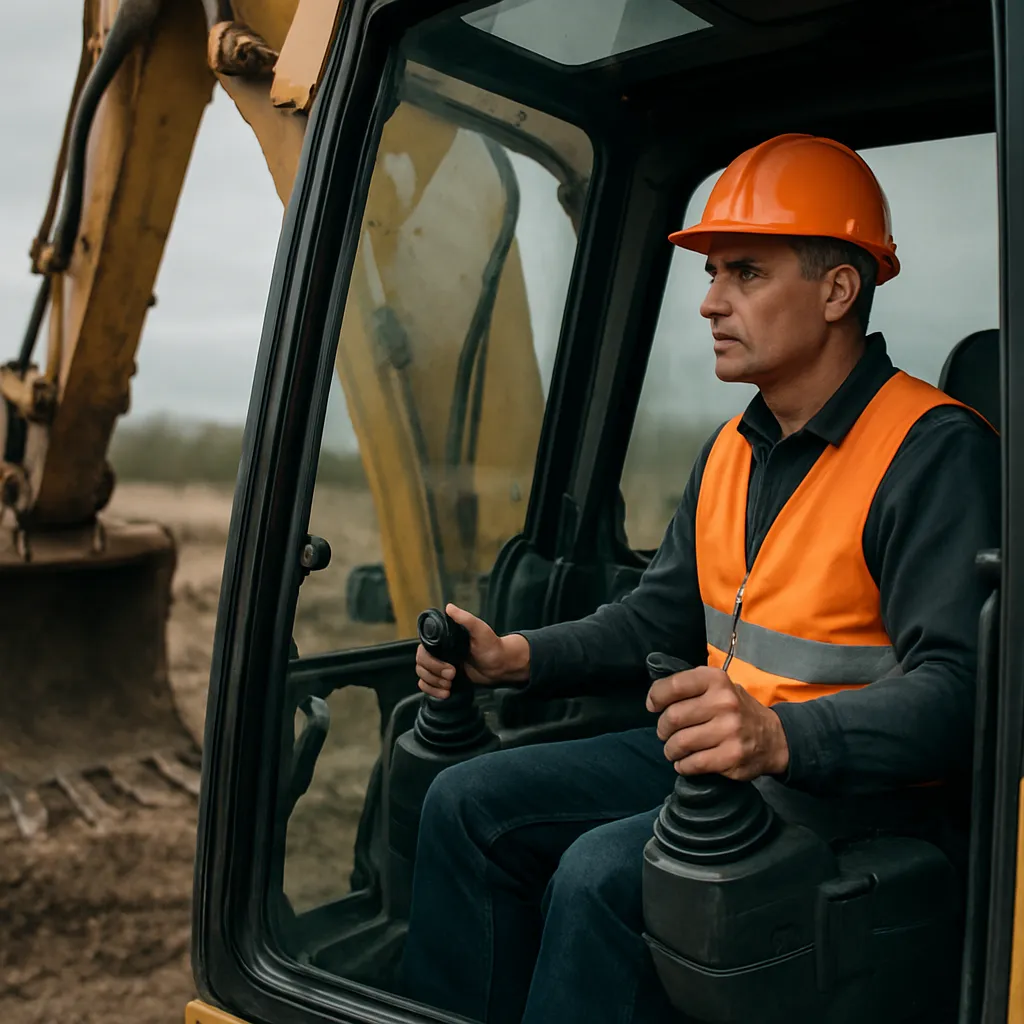
The operation of large-scale industrial machinery demands more than just technical know-how; it requires acute psychological insight into human factors that influence performance, safety, and productivity. Skilled operators rely on a blend of attention, rapid decision-making, and consistent focus to manage complex tasks and unpredictable situations. This article explores the mental and organizational aspects shaping the way professionals interact with massive equipment, revealing how cognitive processes, ergonomic design, and team dynamics come together to ensure peak performance.
Cognitive Demands and Mental Workload
Operating heavy machinery involves juggling multiple information streams simultaneously. From monitoring gauges and alarms to responding to dynamic environmental conditions, operators must maintain high levels of situational awareness. Failure to do so can result in costly errors or accidents.
Mental Models and Situational Awareness
Operators build internal representations—mental models—of how a machine behaves. These models guide expectations and inform rapid responses when anomalies occur. By constantly updating their mental models, operators can anticipate potential malfunctions or shifts in workload demand.
- Continuous scanning of controls and external cues
- Recognition of early warning signs
- Adjustment of strategies based on evolving conditions
Attention Management
Maintaining focus over extended periods is taxing. Frequent interruptions, fatigue, and high stakes heighten the risk of lapses. Techniques such as task rotation, micro-breaks, and mindfulness training have been proven to sustain optimal levels of concentration.
Human-Machine Interaction and Ergonomics
Designing control interfaces that align with human cognitive strengths minimizes errors and reduces the stress on operators. Ergonomic considerations foster comfort and long-term reliability in performance, contributing to both safety and efficiency.
Interface Design Principles
Key aspects of effective interfaces include:
- Consistency: Uniform layouts and predictable feedback reduce cognitive load.
- Clarity: Clear displays of critical data enhance quick comprehension.
- Affordances: Controls that visually indicate their function help prevent misuse.
Ergonomics and Physical Comfort
Prolonged operations in confined cabs or control rooms can lead to musculoskeletal strain. Adjustable seats, intuitive control placement, and climate regulation are more than conveniences—they are central to sustaining high levels of operator alertness.
Training and Skill Development
Comprehensive training programs blend theoretical instruction with realistic simulations. Virtual reality and full-scale mockups allow operators to experience rare emergency scenarios without risk, reinforcing correct responses under duress.
Stress and Resilience in High-Stakes Environments
Massive industrial operations often occur under pressure—tight deadlines, shifting production targets, and environmental uncertainties. Cultivating resilience is essential for coping with stressors that can degrade performance over time.
Stressors and Their Impact
- High consequence of errors raising anxiety.
- Extended shifts leading to fatigue and impaired judgment.
- Environmental hazards such as noise and vibration.
Coping Strategies
Organizations implement various programs to mitigate stress:
- Peer support groups and debriefings.
- Scheduled rest periods and fatigue management policies.
- Access to professional counseling services.
Enhancing Psychological Safety
Encouraging open communication about near-misses and uncertainties fosters a culture where potential risks are identified and addressed before they escalate. Operators who feel heard and valued exhibit greater confidence and willingness to report issues.
Team Dynamics and Organizational Culture
Successful operation of heavy machinery rarely rests on a single individual. Rather, it thrives within well-coordinated teams supported by a robust organizational culture that prioritizes communication, mutual trust, and shared responsibility.
Roles and Responsibilities
Clear delineation of roles—machine operators, supervisors, maintenance crews—ensures seamless coordination. Regular briefings align team members on goals, potential hazards, and contingency plans.
Communication Protocols
- Standardized hand signals or radio codes reduce misunderstandings.
- Checklists and standard operating procedures reinforce consistency.
- Feedback loops enable continuous improvement based on frontline insights.
Leadership and Support
Leaders who demonstrate empathy and technical competence inspire higher performance. By allocating resources for ongoing training, ergonomic upgrades, and stress management programs, management underscores its commitment to safety and well-being.
Emerging Technologies and Future Directions
Advancements in automation, artificial intelligence, and augmented reality promise to reshape how humans interact with heavy machinery. Collaborative robots (cobots) can shoulder routine tasks, allowing operators to focus on supervisory roles and critical decision-making. Nonetheless, the human element remains indispensable for overseeing unexpected events and ethical considerations.
Automation and Human Oversight
While automation can reduce operator workload, it may also lead to complacency or skill atrophy if not managed properly. Striking the right balance between machine autonomy and human control is a key research frontier.
Augmented Reality for Enhanced Awareness
AR headsets can overlay critical data directly onto the operator’s field of vision. This precision tool diminishes the need to shift gaze between controls and displays, thereby speeding response times.
Data Analytics and Predictive Maintenance
By harnessing sensor networks and predictive algorithms, organizations can schedule upkeep before breakdowns occur. This proactive approach not only boosts uptime but also reduces unplanned stress on operators facing sudden equipment failures.