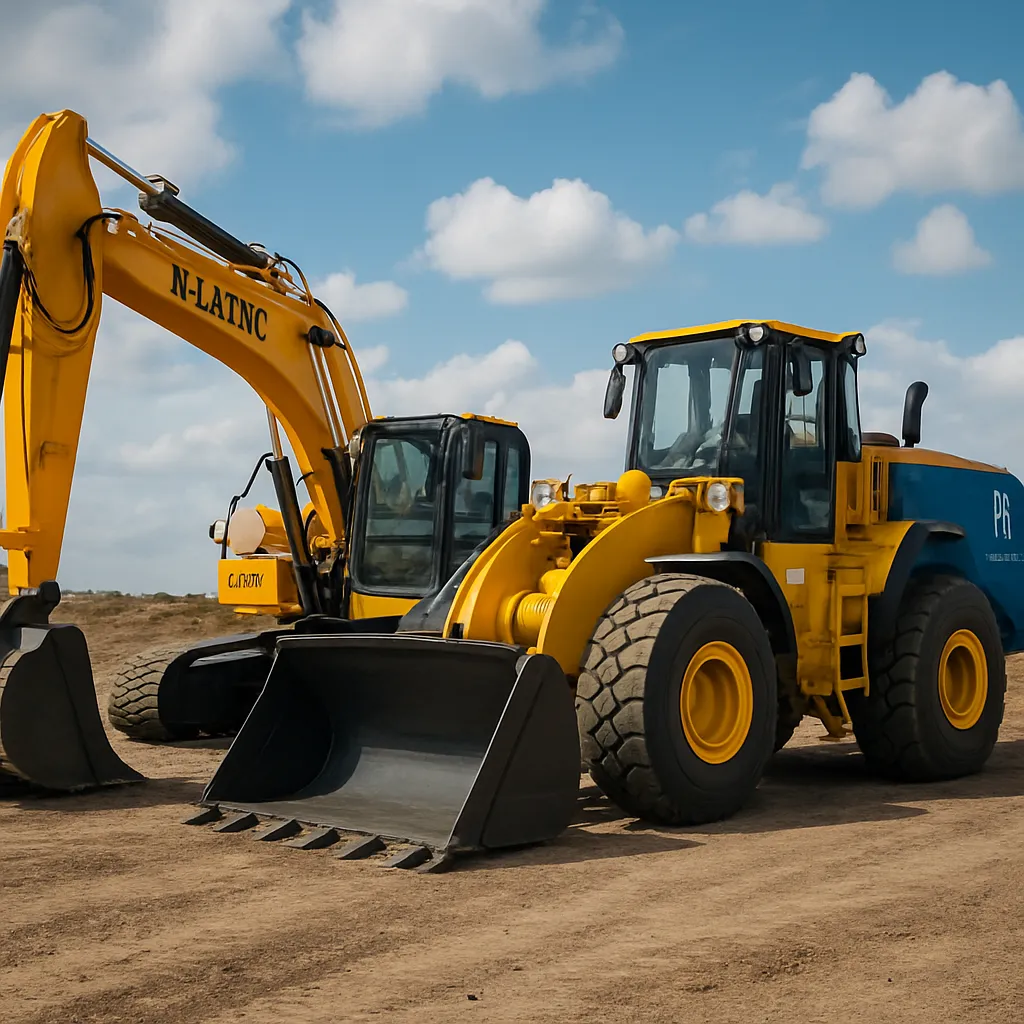
The evolution of machines at work has reached a pivotal point as industries embrace cutting-edge technologies. Driven by innovation, organizations worldwide seek to balance power demands with environmental goals. This transformation transcends traditional diesel engines, highlighting the role of sustainability in modern heavy machinery. With a focus on efficiency, companies are exploring two primary pathways: full electrification and hydrogen-based systems. Each approach presents unique opportunities and challenges in reducing carbon emissions while ensuring optimal performance on the job site.
Current Landscape of Heavy Machinery
Historically, heavy machinery—from excavators to haul trucks—has relied almost exclusively on diesel power. Although robust and dependable, diesel engines pose significant environmental concerns and often incur high operating costs due to fuel price volatility. In recent years, shifting regulations and public pressure have compelled manufacturers to reconsider powertrain design. The push for cleaner alternatives has sparked unprecedented investment in research and development, reshaping the sector’s roadmap.
Key factors defining the current landscape:
- Rigid emissions standards prompting retrofits and after-treatment solutions
- Growing emphasis on remote monitoring and predictive maintenance through automation
- Rising fuel expenses driving search for alternative energy sources
- Technological advancements in battery and fuel cell components
Integrating digital controls and telematics has further enhanced productivity, allowing fleet managers to optimize deployment and minimize downtime. Yet the relentless quest for greener power options remains at the forefront of industry conversations, setting the stage for electric and hydrogen innovations to gain traction.
The Rise of Electric Power
Electric heavy machinery leverages high-capacity batteries to replace internal combustion engines, offering quiet operation and zero tailpipe emissions. Pioneering companies have introduced electric excavators, loaders, and forklifts, showcasing the potential for electrified work sites. These machines underline the benefit of durability by reducing mechanical complexity—fewer moving parts translate to simplified maintenance schedules and lower lifecycle costs.
Key Advantages of Electric Machines
- Instant torque delivery enhances machine responsiveness
- Regenerative braking and energy recovery improve overall efficiency
- Reduced noise pollution boosts worker comfort and safety
- Potential for on-site renewable charging integration (solar, wind)
Despite these benefits, electrification faces hurdles in battery energy density and charging infrastructure. Large-scale machines demand immense power, requiring heavy battery packs that can compromise payload capacity and operational range. Fast-charging solutions and battery-swapping stations are emerging to address these limitations, but widespread deployment remains a work in progress.
Manufacturers also explore modular battery designs to streamline maintenance and enable quick replacements. Collaborative ventures between energy providers and equipment OEMs aim to install charging stations across construction yards and mining sites, alleviating concerns about downtime during charging cycles. As battery technology advances, the electrification pathway is poised to become increasingly viable for a broad spectrum of heavy-duty applications.
Hydrogen as a Viable Alternative
Hydrogen-powered machinery uses fuel cells to convert hydrogen gas into electricity, emitting only water vapor as a byproduct. This approach addresses some of the key constraints of battery electrification, particularly in terms of energy density and refueling speed. With refueling times comparable to diesel and greater range potential, hydrogen machines promise uninterrupted operation for extended shifts.
Benefits and Challenges of Hydrogen Systems
- High gravimetric energy density supports long operational hours
- Rapid refueling minimizes downtime compared to charging cycles
- Potential to integrate green hydrogen produced via electrolysis
- Requires development of comprehensive hydrogen infrastructure
While the concept is compelling, hydrogen technology demands significant investments in production, storage, and transportation. Green hydrogen, generated through renewable-powered electrolysis, remains expensive relative to conventional fuels. Scaling up production capacity and building refueling networks will require public-private partnerships and policy incentives. Nevertheless, pilot projects in ports and heavy industries have demonstrated the feasibility of hydrogen refueling stations, laying the groundwork for broader adoption.
Fuel cell durability and reliability are under continuous improvement. Manufacturers are strengthening system architectures to withstand harsh operating conditions and accelerate maintenance cycles. As more heavy machinery trials fuel cell integration, performance data will refine design standards and cost projections, bolstering confidence in hydrogen’s role within future fleets.
Comparative Analysis and Future Prospects
Evaluating electric versus hydrogen power involves balancing multiple variables: operational range, refueling or charging times, total cost of ownership, and environmental impact. Each technology offers distinct advantages:
- Electric machines excel in controlled environments with stable access to charging and moderate duty cycles.
- Hydrogen systems shine in remote sites or continuous operations where rapid refueling is critical.
Long-term, hybrid solutions combining batteries and fuel cells may emerge as optimal configurations. Such hybrids can leverage battery capacity for peak loads and regenerative braking, while fuel cells provide baseline power and extended runtime. This synergy could deliver unmatched efficiency and versatility across diverse applications, from construction to mining.
Industry consortia are already planning demonstration projects that integrate both technologies into unified platforms. As global demand for low-carbon solutions intensifies, economies of scale will drive down component costs for batteries and fuel cells alike. Regulatory frameworks and carbon pricing mechanisms will further incentivize adoption, aligning financial returns with sustainability objectives.
Ultimately, the next decade will shape the trajectory of heavy machinery powertrains. With continued investment in research, robust policy support, and cross-sector collaboration, the transition to electric and hydrogen systems promises to redefine productivity standards while safeguarding environmental goals. The future of machines at work hinges on our collective commitment to drive innovation and embrace the clean energy revolution.