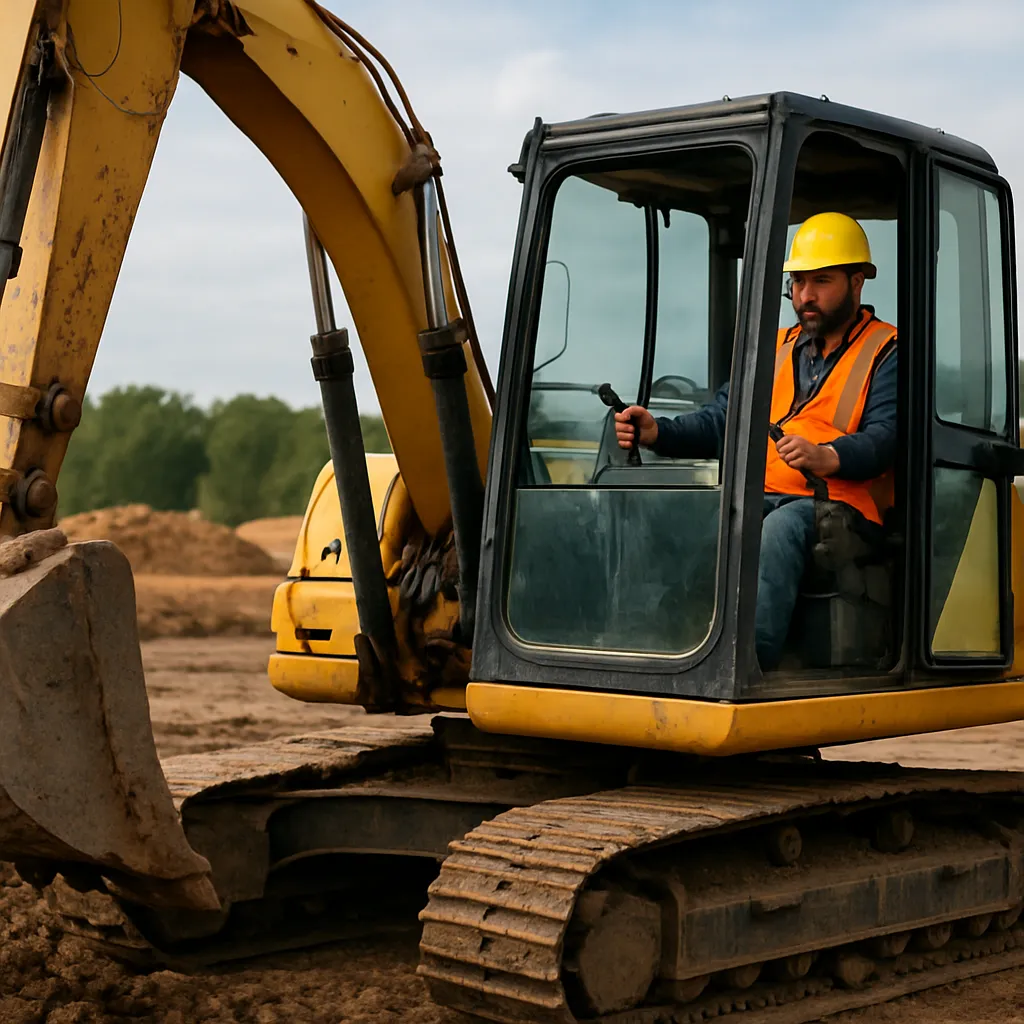
Operating complex machinery in the field demands a high level of expertise and careful attention to detail. From excavators and bulldozers to cranes and forklifts, the world of heavy construction and industrial sites relies on skilled individuals to manage these powerful devices. Proper preparation and continuous learning empower operators to handle tasks safely, boost productivity, and minimize equipment downtime. In the following sections, we explore the essentials of training, safety protocols, technological advancements, and professional growth for heavy machine operators.
Understanding Heavy Machinery in Modern Worksites
Heavy machines are the backbone of large-scale construction, mining, agriculture, and logistics projects. Mastery of these machines starts with recognizing their unique characteristics: hydraulic systems, diesel engines, load capacities, and control interfaces. An experienced operator must become familiar with the mechanical and electronic aspects of each model to make informed decisions on the job site.
Different machines serve varied functions. Excavators dig and trench, bulldozers push and level, cranes lift and place heavy loads, while loaders transport aggregates. Each type demands a distinct skill set; for example, precision and balance are crucial when using a crane, whereas speed and accurate grading matter more for a bulldozer. Proper identification of machine strengths prevents mishaps and guarantees optimal efficiency.
Maintenance knowledge also underpins safe operation. Routine checks for hydraulic leaks, tire or track wear, engine oil levels, and system pressures help avoid unexpected breakdowns. Equipping operators with troubleshooting basics fosters a proactive environment where minor issues are addressed before escalating into costly repairs or site delays. Prioritizing a culture of maintenance and inspection enhances machine longevity and job site continuity.
Essential Training Components for Operators
A comprehensive training program merges theoretical learning with hands-on practice. Classroom sessions cover equipment fundamentals, mechanical principles, site regulations, and environmental considerations. Simulated controls and mock site environments prepare trainees for real-world challenges without risking property or personal injury.
- Certification Courses: Accredited institutions offer certification tracks that verify operator knowledge and proficiency. Certifications often align with national or regional compliance standards, ensuring operators meet legal requirements.
- Simulator Experience: Advanced simulators recreate realistic scenarios—such as uneven terrain or emergency shutdowns—allowing trainees to refine reaction times and decision-making skills.
- Mentorship and On-Site Licensing: Pairing new operators with seasoned professionals grants insight into best practices, reduces common errors, and builds confidence on active work sites.
- Technical Workshops: Detailed sessions on engine diagnostics, hydraulic system repair, and electronic control modules bolster an operator’s ability to conduct rapid assessments and basic maintenance tasks.
Well-structured training helps operators develop competence in both routine and unexpected situations. This foundation is crucial when handling heavy loads, working in confined areas, or coordinating with multiple team members under dynamic conditions.
Implementing Safety Protocols and Regulations
Safety remains the cornerstone of any heavy equipment operation. Adherence to strict guidelines reduces hazards and fosters a culture of risk awareness. Employers and site managers must enforce personal protective equipment (PPE) rules, establish clear machine exclusion zones, and mandate pre-shift inspections.
- Pre-Operation Checks: Operators should examine safety devices such as horns, backup alarms, emergency brake systems, and guardrails before each shift.
- Communication Standards: Utilizing radios and hand signals ensures seamless coordination between operators, ground workers, and spotters, preventing miscommunication that could lead to accidents.
- Load Limits and Stability: Strict observance of manufacturer-specified load capacities and center-of-gravity considerations avert tip-over incidents and structural failures.
- Emergency Procedures: Regular drills and clear response plans for fires, hydraulic failures, or power loss create familiarity with protocols, reducing response times.
Embedding these practices into daily routines means that safety transcends written policies—it becomes an intrinsic element of every task. A vigilant approach to risk management safeguards both workers and valuable equipment assets.
The Role of Technology in Enhancing Operator Skills
Innovations in technology continue to reshape heavy equipment operation. Telemetry systems monitor machine health in real time, sending alerts about engine temperature, hydraulic pressure, and fuel efficiency. Operators can use this data to optimize performance and anticipate maintenance needs.
GPS and laser-guided machines enable precise excavation, grading, and load placement, reducing material waste and rework. These guidance systems often integrate with digital site maps, so operators receive instant feedback on cut-and-fill requirements, minimizing human error and accelerating project timelines.
Remote operation platforms allow operators to control machinery from safe distances when working in hazardous environments such as deep excavations, steep slopes, or contaminated areas. This remote capability protects staff from potential harm while ensuring tasks can proceed uninterrupted.
Emerging trends—like augmented reality overlays and artificial intelligence–driven predictive maintenance—promise even greater strides in productivity and safety. By embracing these advancements, operators sharpen their expertise and remain competitive in an evolving industry.
Continuous Improvement and Professional Development
Even after initial certification, operators benefit from ongoing education. Refresher courses help reinforce critical procedures, while advanced modules on specialized machinery open up new career pathways. For example, learning to operate tunnel boring machines or specialized forestry equipment requires targeted training that builds upon core competencies.
- Safety Recertification: Regular updates on occupational health standards, ergonomic practices, and environmental regulations keep operators informed about evolving legal requirements.
- Technical Seminars: Manufacturers and industry bodies often host workshops on new technology releases, engine upgrades, and emerging materials, ensuring operators stay up to date.
- Cross-Training: Developing skills on multiple machines increases job flexibility, enabling operators to shift between roles and adapt to different project demands.
- Leadership and Mentorship: Experienced operators can mentor newcomers, fostering a knowledge-sharing culture while honing their own communication and management skills.
A commitment to continuous improvement guarantees that operators remain indispensable assets to their teams. Emphasizing lifelong learning elevates overall site performance, enhances efficiency, and nurtures a workforce capable of tackling any heavy-duty challenge.