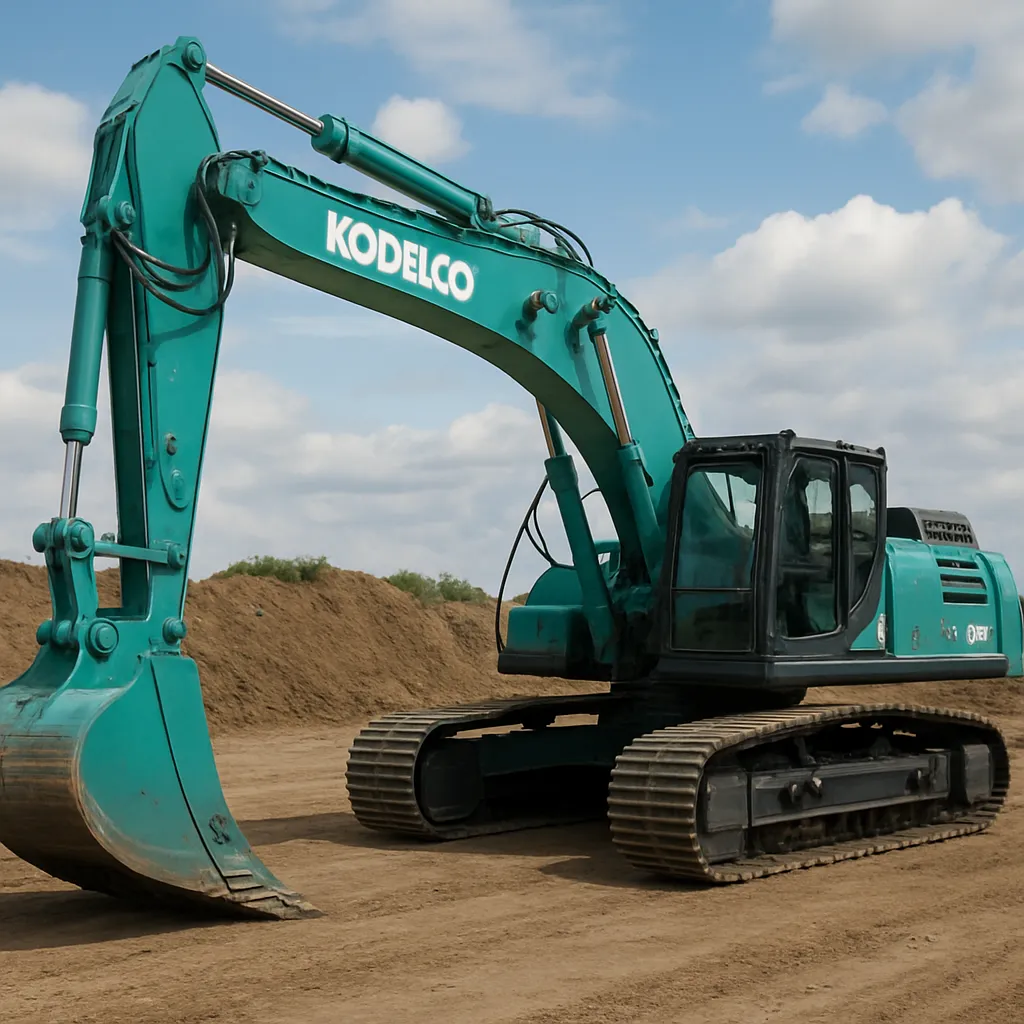
The Kobelco SK500LC is a heavy-duty hydraulic excavator designed for demanding earthmoving tasks on large construction sites, mining operations, and infrastructure projects. Combining robust construction, advanced hydraulics and a focus on operator productivity, the SK500LC represents a versatile solution for contractors who require high digging force, long reach and reliable uptime. In the following sections we explore the machine’s main characteristics, typical applications, technical details, performance indicators, maintenance and buying considerations.
Overview and key characteristics
The SK500LC belongs to the large class of tracked hydraulic excavators and is engineered to operate in harsh conditions where both power and stability are essential. As a heavy machine, it is typically specified with a wide range of booms, arms and undercarriage options to match tasks such as mass excavation, foundation digging, rock trenching and heavy lifting with specialized attachments.
Typical specifications (approximate and model-dependent)
- Operating weight: roughly 45,000–55,000 kg (variations depend on configuration and counterweight options).
- Engine power: typically in the range of 250–300 kW (335–402 HP), depending on emission stage and year of manufacture.
- Bucket capacity: commonly 1.2–3.0 m³ for general-purpose buckets; larger or smaller sizes are available for specific tasks.
- Maximum digging depth: around 7.5–8.5 meters for standard boom-arm combinations.
- Maximum reach at ground level: approximately 11–13 meters.
- Hydraulic flow and pressure: high-flow hydraulic systems with variable-displacement pumps optimized for smooth, efficient performance and auxiliary circuits for attachments.
These numbers are indicative; exact figures vary by model year, market variant and optional packages. Manufacturers and dealers provide detailed datasheets for each serial configuration.
Where the SK500LC is typically used
The SK500LC finds application in multiple heavy-industry sectors thanks to its combination of power, reach and stability. Notable use cases include:
- Large-scale civil engineering – road construction, bridge abutment excavation, channel dredging, and major earthworks.
- Quarrying and mining support – loading haul trucks, bench repair, and site preparation in non-metallic and industrial mineral operations.
- Foundation and piling works – digging large foundation pits, cofferdams and basement excavations where sustained digging force is required.
- Heavy demolition – with demolition booms and specialized shear/grapple attachments the machine is used for dismantling large concrete structures and sorting demolition debris.
- Pipeline and utility installation – trenching for pipelines and cables where long-cycle digging and placement are needed.
- Port and waterfront operations – handling heavy materials, dredging support and bulk material management when fitted with appropriate attachments.
Its versatility is amplified by the range of attachments compatible with modern hydraulic systems (e.g., rock breakers, pulverizers, thumbs, grading buckets and multi-processor heads), which enable swift role changes on-site.
Hydraulics, engine and performance features
The performance of the SK500LC centers on an integrated approach to powertrain and hydraulic system design. Modern Kobelco large excavators emphasize fuel economy, smooth control and strong breakout forces while minimizing noise and emissions.
Hydraulic system
- Proportional control with load-sensing or electronically controlled, variable-displacement pumps ensures efficient power distribution across swing, boom and travel functions.
- Advanced hydraulic circuitry supports simultaneous operations (e.g., swinging while lifting) with minimal loss of efficiency.
- Auxiliary circuits with quick couplers allow easy connection of powered attachments, increasing machine adaptability.
Engine and emissions
- The SK500LC is fitted with heavy-duty diesel engines tuned for high torque at low RPM to deliver consistent digging force and lower fuel consumption under load.
- Late-model machines conform to regional emissions standards (Tier/Stage), using EGR, DOC and optionally SCR systems to reduce NOx and particulate emissions.
- Optimized cooling systems maintain stable operating temperatures in hot climates and high-duty cycles.
Performance indicators
Key measures contractors watch include:
- Breakout force – determines the machine’s ability to penetrate compact materials; heavy-class machines such as the SK500LC deliver substantial breakout force suitable for tough soils and light rock.
- Bucket tearout and crowd force – important for trenching and foundation tasks.
- Cycle time and hydraulic responsiveness – affect productivity in repetitive loading or trenching operations.
- Fuel efficiency – measured in liters per operating hour or m³ moved per liter; modern control systems and engine management reduce consumption compared to older models.
Operator comfort, controls and safety
Long shifts and complex maneuvers make operator environment a crucial component of machine effectiveness. Kobelco places emphasis on ergonomics and safety in large excavators like the SK500LC.
Cab and operator features
- Spacious cab with panoramic visibility reduces blind spots and increases situational awareness.
- Ergonomically arranged joystick controls and multi-function displays simplify operation and allow programmable settings for different operators or tasks.
- Climate control, adjustable seating and low-vibration mounting reduce operator fatigue and improve precision over long shifts.
Safety systems
- ROPS/FOPS-certified cabs protect operators in roll-over or falling-object incidents.
- Rear and side cameras, sensors and audible alarms assist in crowded or multi-equipment sites.
- Overload detection, boom-kick prevention and secure communication between attachment circuits and machine control improve safe handling of heavy loads.
Attachments and versatility
One of the strengths of large excavators is their ability to become a multi-role tool through the use of high-performance attachments. The SK500LC’s hydraulic system and robust boom design make it compatible with:
- Hydraulic breakers for rock excavation and secondary demolition.
- Compactors and vibratory plates for trench backfill compaction.
- Thumbs and grapples for handling logs, scrap, and demolition debris.
- Tilting and grading buckets for precise slope shaping and finishing work.
- Shears and pulverizers for heavy demolition applications.
Quick-coupler systems speed attachment changes and increase machine uptime, allowing contractors to move between tasks with minimal delay.
Maintenance, uptime and lifecycle costs
For heavy excavators, predictable maintenance and high availability are as important as raw capability. The SK500LC is designed to balance serviceability and durable components to minimize total cost of ownership.
Routine maintenance points
- Daily checks: engine oil, coolant, hydraulic oil level, track tension, bucket teeth and undercarriage condition.
- Scheduled inspections: hydraulic filter changes, engine air filters, fuel filters and periodic undercarriage service to extend component life.
- Monitoring systems: modern machines feature onboard diagnostics to spot developing issues before they cause downtime.
Uptime strategies
- Use of OEM lubricants and service parts to maintain warranty and component compatibility.
- Telematics systems for remote health monitoring and predictive maintenance scheduling.
- Operator training to reduce wear from poor operating practices such as excessive idling, lugging or improper boom/arm usage.
Economic considerations and productivity
When evaluating a machine like the SK500LC, buyers consider both capital and operating expenses. Productivity gains from greater breakout force, reduced cycle times and multi-attachment flexibility translate into lower cost per cubic meter moved.
Factors that influence operating cost
- Fuel consumption – a primary operating expense. Efficient hydraulic control, engine tuning and operator practices significantly influence fuel burn.
- Maintenance and parts – life of undercarriage, hydraulic components and buckets determine periodic replacement cost.
- Resale value – large machines from reputable manufacturers often retain value well when maintained.
- Utilization rate – owning a large excavator is most economical when it is used frequently; rental can be an alternative for short-term projects.
Environmental and regulatory aspects
Large excavators must meet evolving emissions and noise regulations. Recent iterations of heavy machinery incorporate technologies to reduce environmental impact while maintaining productivity.
Emissions compliance
- Compliance with stage/Tier emission standards (e.g., EU Stage V, EPA Tier 4 Final) through a combination of engine calibration and after-treatment systems such as DOC and SCR.
- Idle reduction strategies and auto-shutdown features reduce unnecessary emissions and fuel waste.
Noise and site impact
- Acoustic damping and optimized cooling fans reduce site noise, which is important in urban or sensitive areas.
- Efficient hydraulics can reduce the need for prolonged full-power operation, diminishing both noise and fuel consumption.
Comparisons and market position
The SK500LC competes with similar models from major manufacturers in the 40–55 tonne class. Buyers typically compare machines on a few key axes:
- Digging force and hydraulic power — for raw productivity in heavy digging tasks.
- Fuel economy — to lower daily operating costs.
- Serviceability and parts availability — to minimize downtime.
- Operator comfort and control sophistication — which can affect accuracy and cycle times.
While brand preference, dealer network and after-sales support often guide purchasing decisions, the SK500LC’s balance of power, stability and attachment support helps it retain competitiveness in global markets.
Real-world performance and statistics
Actual field performance depends on application, operator skill and machine configuration. Observed averages across projects typically show:
- Fuel consumption during heavy-duty earthmoving: roughly 20–35 liters/hour, depending on duty cycle and attachments.
- Typical production in mass excavation: several hundred to over a thousand cubic meters per day for well-serviced machines under continuous operation (actual numbers vary greatly by soil type and cycle length).
- Uptime targets: professional fleets aim for >90% availability through proactive maintenance and telematics-driven servicing.
These figures are indicative. For precise benchmarking, owners use machine telematics and jobsite productivity tracking to develop project-specific metrics.
Buying, leasing and lifecycle advice
Acquiring a heavy excavator like the SK500LC requires careful total-cost planning and matching machine configuration to anticipated tasks.
New vs used
- New machines come with warranty, the latest emissions technologies and often telematics packages; however, higher upfront cost applies.
- Used units offer lower capital cost but require careful inspection of undercarriage wear, hydraulic components, frame cracks and service history.
Leasing and rental
- Rental is attractive for short-term or seasonal needs; leasing spreads capital costs and can include service agreements.
- Ensure rental agreements specify machine configuration, hour limits and support levels to avoid unexpected costs.
Checklist before purchase
- Confirm intended duty cycle, typical soil/rock conditions and attachment needs.
- Compare manufacturer specifications for breakout force, reach and bucket compatibility.
- Evaluate dealer support, parts availability and telematics options.
- Consider resale markets and expected useful life for financial planning.
Case studies and notable applications
Large Kobelco excavators, including the SK500LC family, have been used on projects such as major highway earthworks, port expansions and large demolition contracts. Typical successes highlight:
- High production rates when paired with large-capacity buckets and experienced operators.
- Versatility in demolition-to-excavation roles when equipped with appropriate attachment packages.
- Reduced lifecycle costs where proactive maintenance and telematics have been implemented.
Conclusion and final considerations
The Kobelco SK500LC is a heavyweight choice for contractors who need robust digging capability, long reach and the flexibility to perform multiple roles through hydraulic attachments. Its strengths lie in balanced powertrain design, operator-focused ergonomics and adaptability to demanding environments. While specific performance and cost metrics depend on configuration, operator practice and maintenance discipline, the SK500LC class machines remain a common sight on large construction, mining and infrastructure projects due to their blend of durability, performance and long-term value.
When considering this machine, evaluate expected duty cycles, total cost of ownership, dealer support and the availability of telematics for uptime optimization. With proper matching of configuration and attachments to task, the SK500LC can deliver sustained productivity and a competitive return on investment in heavy earthmoving applications.


)
)