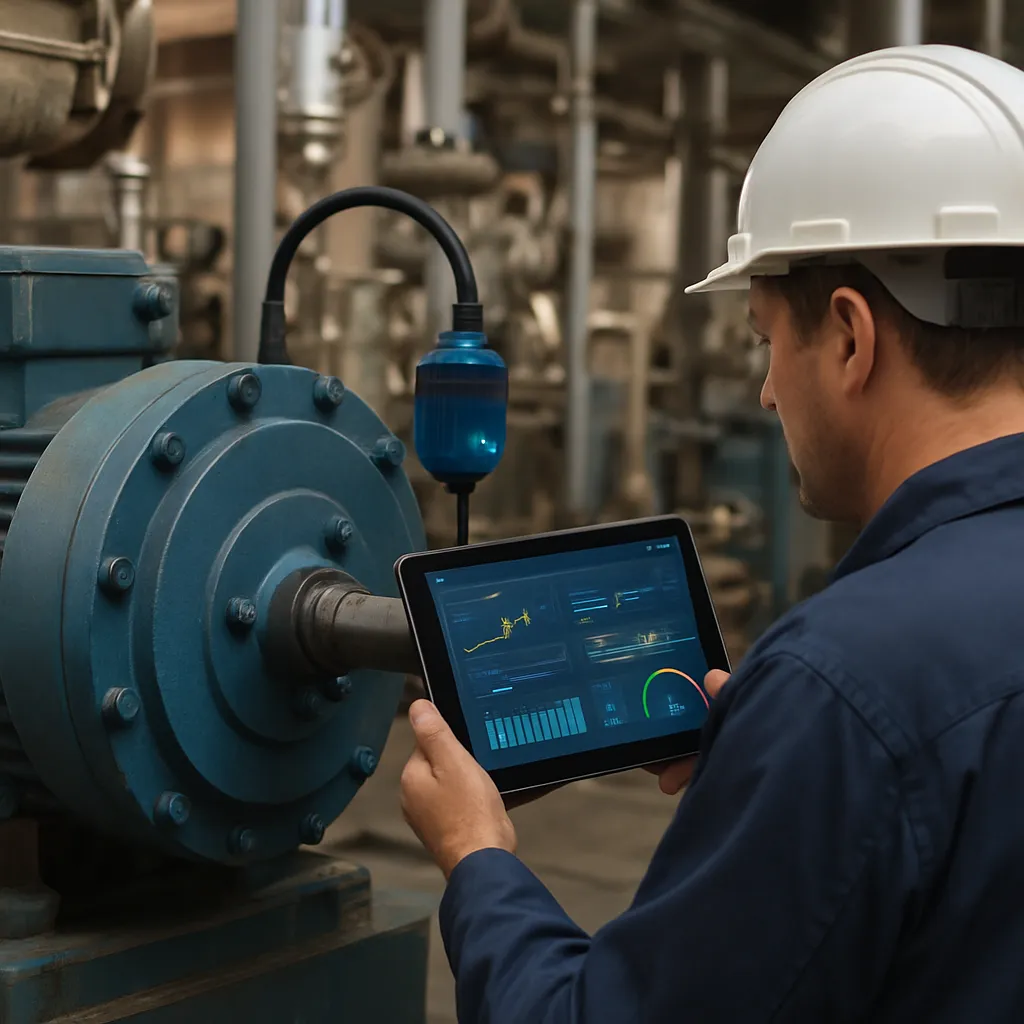
The integration of smart sensors into modern machinery is reshaping how factories, power plants, and industrial sites manage equipment health. By capturing detailed operational metrics, these sensors empower engineers and maintenance teams to anticipate problems, avoid costly breakdowns, and extend the life of critical assets.
Understanding Smart Sensors and Machine Health Monitoring
Smart sensors are compact devices capable of measuring mechanical, thermal, or electrical properties. When mounted on motors, pumps, turbines, or conveyor belts, they collect high-resolution data that goes beyond simple on/off readings. Accelerometers track subtle vibration analysis shifts, while thermocouples and infrared detectors monitor heat patterns. Pressure transducers and ultrasonic sensors detect fluid leaks or bearing wear before visible damage occurs.
With embedded microprocessors, these sensors can preprocess raw measurements, filter noise, and even perform initial diagnostics at the edge. This local processing reduces data transfer loads and enables real-time data evaluation. When anomalies are flagged, the system pushes relevant details to a central control platform where engineers can trigger alerts, schedule inspections, or initiate corrective actions.
The adoption of predictive maintenance hinges on this continuous, automated monitoring. Rather than relying on fixed time-based inspections, teams can prioritize work orders based on actual equipment health. The result is smarter resource allocation, minimized unplanned shutdowns, and improved asset longevity.
Key Technologies Behind Predictive Maintenance
Several cutting-edge technologies collaborate to transform raw sensor measurements into actionable insights:
- IoT connectivity: Low-power wireless networks (such as LPWAN or 5G) enable sensors to stay connected in challenging industrial environments without frequent manual intervention.
- Machine learning: Advanced algorithms recognize normal operating signatures and learn to spot deviations that suggest wear or malfunction.
- Sensor fusion: By combining data from multiple sensor types, systems achieve greater diagnostic precision than individual measurements alone.
- Anomaly detection: Statistical models and neural networks continuously compare live data to historical baselines, triggering alarms when thresholds are exceeded.
- Edge computing: On-sensor processors perform initial analytics, reducing latency and safeguarding sensitive data before it moves to the cloud or on-premises servers.
Each layer of technology contributes to a robust maintenance ecosystem. For example, vibration readings alone might indicate imbalance or misalignment, but when paired with temperature monitoring and acoustic analysis, engineers can distinguish between lubrication issues and mechanical deformation.
Data security also plays a pivotal role. Encrypted communication, network segmentation, and authentication protocols make sure that critical operational data remains protected against cyber threats.
Real-World Applications and Benefits
Several industries have embraced smart-sensor-driven maintenance with impressive results:
Manufacturing Plants
Assembly lines depend on high-speed conveyors, robotic arms, and CNC machines. Unexpected motor failures can halt production, erode profit margins, and lead to overtime expenses. By equipping motors and gearboxes with multi-axis accelerometers and current sensors, plant managers have achieved over 20% downtime reduction in some facilities.
Energy Generation
Turbines in power stations experience extreme temperatures and rotational stresses. Smart sensors track blade vibrations, shaft displacements, and temperature gradients in real time. This continuous monitoring helps predict cavitation in steam cycles and prevents catastrophic rotor damage.
Oil & Gas Operations
Pumping stations, drilling rigs, and pipeline networks often operate in remote or harsh environments. Wireless sensor nodes powered by solar panels feed data into central dashboards, alerting engineers to decreasing pump pressure, rising motor heat, or seal leaks that would otherwise go unnoticed until a critical failure.
Across all these cases, the adoption of sensor-led strategies has improved operational efficiency, reduced safety incidents, and extended intervals between major overhauls.
Implementing a Sensor-Driven Maintenance Strategy
A successful rollout of smart monitoring involves several steps:
- Asset Prioritization: Identify high-value or failure-prone machines that would benefit most from continuous tracking.
- Sensor Selection: Choose devices tuned to the specific fault modes of each asset—temperature sensors for overheating, strain gauges for structural stress, or ultrasonic detectors for bearing defects.
- Connectivity Planning: Design a network topology that maximizes coverage while minimizing interference and data latency.
- Data Integration: Ensure that sensor outputs feed into existing maintenance management systems or cloud platforms for unified incident tracking.
- Skill Development: Train maintenance staff and data analysts to interpret sensor dashboards, understand predictive algorithms, and execute condition-based repairs.
Leveraging this framework, factories can transition from reactive “break-fix” workflows to proactive regimes where every equipment alert reflects a genuine need for intervention. This shift not only lowers maintenance costs but also enhances overall equipment reliability.
Challenges and Future Outlook
Despite the clear benefits, several hurdles remain:
- Data overload: Large installations with thousands of sensor nodes can generate terabytes of data daily. Effective filtering and storage strategies are essential.
- Integration complexity: Legacy machinery may require custom retrofits or gateway devices to translate analog signals into digital streams.
- Workforce adaptation: Employees must embrace new tools and processes, overcoming resistance to change.
- Cost considerations: Initial investment in sensors, network infrastructure, and software can be significant, though ROI often appears within months.
Looking ahead, innovations in energy harvesting will enable truly maintenance-free sensors, while advances in artificial intelligence promise ever-more accurate anomaly detection and autonomous repair recommendations. The next generation of industrial systems will combine augmented reality interfaces with sensor data, guiding technicians through complex diagnostics with visual overlays.
As these trends accelerate, companies that harness smart sensors effectively will enjoy unparalleled insights into machine behavior, unlock new levels of productivity, and safeguard critical operations against unexpected disruptions.