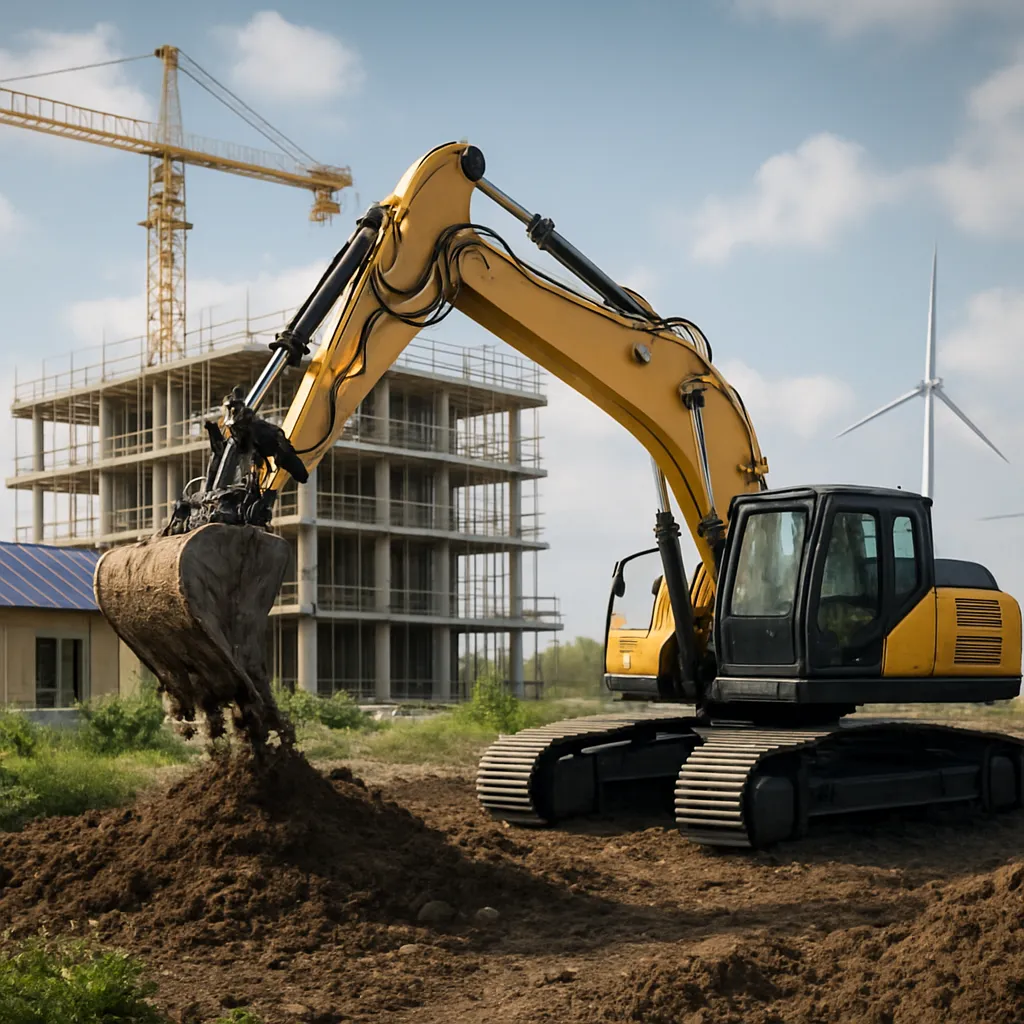
Since the first steam-powered excavators revolutionized earthmoving more than a century ago, a wave of advanced machines has been reshaping how buildings rise from the ground. Far beyond mechanical brute force, a new generation of intelligent equipment integrates sensors, artificial intelligence, and precise actuation to redefine every stage of the build process. At the heart of this evolution lies a commitment to sustainability, as contractors and developers seek to lower carbon footprints, reduce waste, and boost overall site efficiency. By blending heavy machinery with digital workflows, blossoming with robotics capabilities, the industry is unlocking levels of innovation once reserved for software and electronics.
Revolutionizing Construction Sites with Automation
The integration of automation on construction sites is transforming traditional job roles. Off-the-shelf robotic arms can now complete tasks ranging from steel assembly to concrete spraying with precision that surpasses human capabilities. Meanwhile, autonomous vehicles navigate busy zones to haul materials, while drones buzz overhead to capture real-time progress data.
Robotic Excavators and Drones
Next-generation excavators equipped with machine vision systems can dig trenches and grade land within millimeter tolerances. Their onboard algorithms adapt to soil consistency and obstacle patterns, eliminating overexcavation and the need for reworks. Complementing these are aerial drones capable of:
- Conducting topographical surveys in hours rather than days
- Identifying structural anomalies through thermal imaging
- Monitoring worker safety by tracking movement patterns
Such systems foster a seamless workflow, reducing delays and human error while elevating on-site resilience.
3D Printing and Prefabrication Technologies
Construction-scale 3D printers lay down layers of specialized concrete or composite materials to erect walls, columns, and other structural components. This method slashes material waste by up to 60% and accelerates project timelines. In parallel, factory-based prefabrication leverages robotics for assembling modules under controlled conditions before transporting them to the build location. Key advantages include:
- Quality control through automated inspections
- Reduced weather-related delays
- Minimized on-site labor requirements
Modular units arriving ready for installation embody the future of efficient, scalable housing and commercial developments.
Enabling Sustainable Practices through Smart Machinery
Machinery equipped with green technologies is delivering concrete results in resource conservation. Electric and hybrid drives have begun replacing diesel engines, slashing emissions and noise levels. Sensor networks embedded in equipment facilitate dynamic load balancing, ensuring machines operate near peak performance while consuming minimal energy. This shift is critical for meeting ambitious net-zero targets in both urban and rural construction settings.
Energy Efficiency and Emissions Reduction
Retrofitted generators and battery packages provide clean power backups for sites lacking grid connections. Intelligent energy management systems orchestrate the interplay between solar arrays, on-site storage, and machine demand. Through predictive analytics, construction managers can:
- Forecast power usage peaks and schedule charging cycles accordingly
- Identify underutilized equipment to avoid idle consumption
- Optimize fleet composition for mixed fuel and battery operation
These practices enhance overall efficiency and cement a pathway toward carbon-neutral project delivery.
Material Optimization and Waste Minimization
Smart scanners and laser profilers measure material placement in real time, enabling automated feedback loops that adjust dispenser volumes to exact specifications. This reduces overordering and ensures that every kilogram of concrete, rebar, or insulation is purposefully applied. On demolition sites, AI-driven sorters separate recyclable materials from debris, diverting 80% of rubble away from landfills. Such advancements underscore a commitment to circular economies and responsible resource stewardship.
The Role of Data and AI in Machine-Driven Construction
As fleets of machines generate terabytes of operational data, the real value emerges through intelligent analysis. This wave of digitalization sifts through endless streams of sensor outputs, determining equipment health, forecasting maintenance needs, and predicting project timelines with unprecedented accuracy. The fusion of physical machinery and digital insight ushers in an era where every movement is optimized for cost, time, and environmental impact.
Predictive Maintenance and Uptime Maximization
Traditional maintenance schedules rely on fixed intervals or reactive repairs. By contrast, AI-based systems monitor temperatures, vibration patterns, oil viscosity, and hydraulic pressure to pinpoint developing faults before failures occur. Maintenance crews receive alerts accompanied by diagnostic details, reducing unplanned downtime by as much as 30%. This strategy extends equipment lifespans and maximizes return on investment.
Digital Twins and Real-Time Monitoring
Virtual replicas of entire worksites, known as digital twins, integrate live data from machines, weather feeds, and supply chain systems. Stakeholders can visualize project progress through immersive dashboards, flagging potential delays or resource bottlenecks early in the process. This level of transparency fosters collaboration among architects, engineers, contractors, and clients, ensuring alignment on design changes and execution strategies.
Future Outlook: Integration and Collaboration
Looking ahead, the convergence of advanced machinery, AI, and human expertise is set to redefine construction frontiers. Pilot programs are experimenting with swarms of mini-robots tasked with laying bricks, soldering beams, or sealing joints, enabling hyper-scale projects that once seemed impossible. Similarly, wearable exoskeletons enhance worker strength and safety, bridging the gap between human dexterity and machine power.
Human-Machine Collaboration on Site
Rather than replacing the skilled workforce, machines increasingly serve as augmentative partners. Advanced sensory equipment guides operators through intricate assembly tasks while collaborative robots handle heavy components. This synergy elevates productivity and enriches the work environment by reducing fatigue and risk exposure.
Regulatory and Skill Development Challenges
The widespread adoption of cutting-edge machinery calls for updated safety standards, operator certification programs, and legal frameworks governing autonomous operations. Workforce training initiatives must evolve to cover AI literacy, equipment programming, and maintenance diagnostics. By investing in human capital alongside technological innovation, the industry can ensure a smooth transition to smarter, greener construction practices.