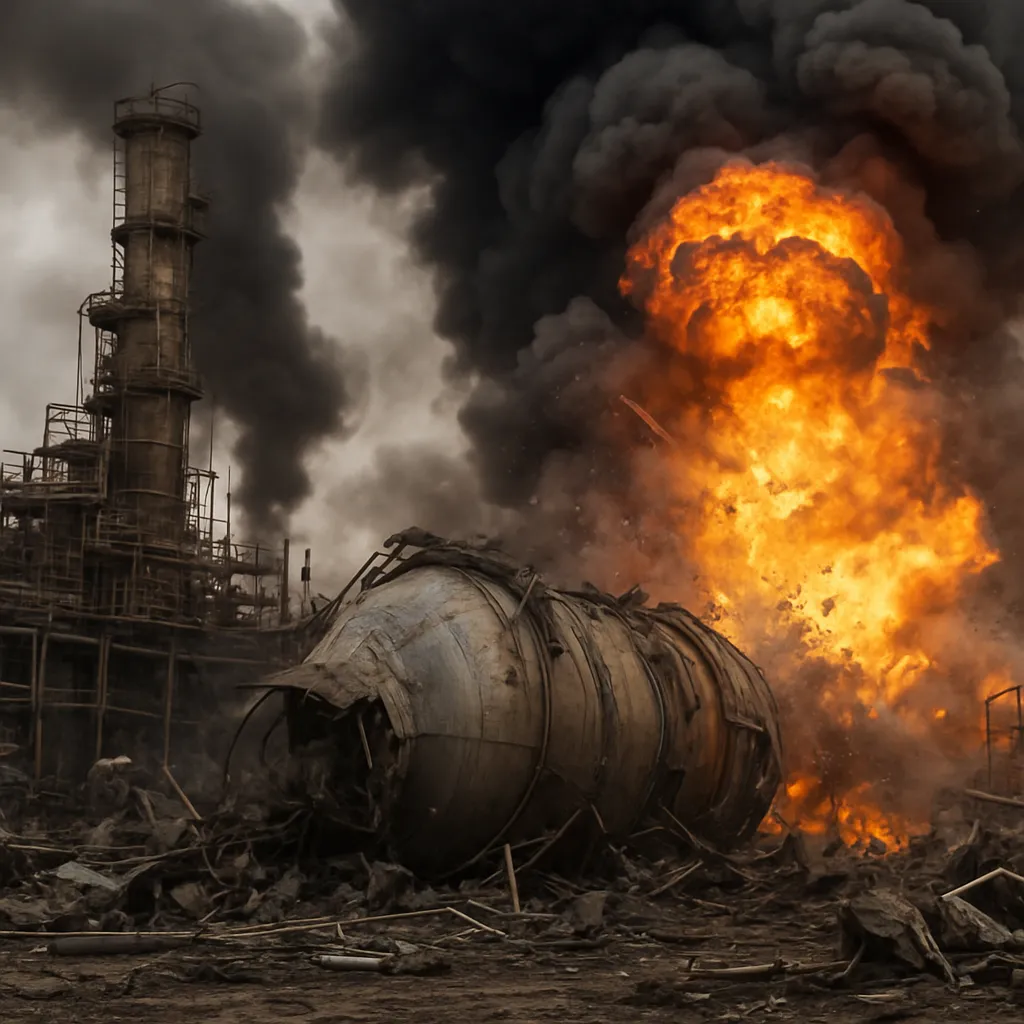
Machines have revolutionized industries, driving unprecedented levels of productivity and shaping the modern workplace. Yet, as powerful as these devices are, history has shown that they can also become agents of disaster when human error, design flaws, or lapses in safety protocols collide. This article explores some of the most significant machine-related accidents, examines the lessons they imparted, and considers how those insights are steering the future of innovation in industrial environments.
Historical Machine Disasters and Their Impact
From nuclear reactors to oil rigs, certain episodes stand out for their scale and the profound changes they triggered in global regulations and engineering mindsets.
The Chernobyl Reactor Meltdown (1986)
On April 26, 1986, the Unit 4 reactor at the Chernobyl Nuclear Power Plant in Ukraine suffered a catastrophic explosion, releasing massive amounts of radioactive material into the environment. While political factors and organizational culture played roles, critical design vulnerabilities in the RBMK reactor and flawed test procedures were at the heart of the tragedy.
- Design Flaws: The reactor’s control rods had a positive void coefficient, meaning they could accelerate a power surge rather than dampen it.
- Test Mismanagement: Operators disabled key safety systems during a low-power test, unaware of the risks.
- Aftermath: Dozens of immediate fatalities and long-term health impacts affecting thousands, plus widespread environmental contamination.
The Chernobyl disaster spurred widespread reform in nuclear oversight, leading to strengthened international regulations, revamped reactor designs with passive safety features, and a renewed focus on rigorous operator training.
The Space Shuttle Challenger Tragedy (1986)
Seven months after Chernobyl, the Space Shuttle Challenger disintegrated 73 seconds after liftoff, killing all seven crew members on board. The failure was traced to an O-ring seal in the solid rocket booster that became brittle in freezing temperatures.
- Component Vulnerability: The O-ring’s material lost resilience below 53°F, allowing hot gases to breach the seal.
- Communication Breakdowns: Engineers voiced concerns about cold-weather performance but were overruled by management under schedule pressure.
- Policy Revision: NASA instituted a comprehensive safety culture overhaul, emphasizing frank communication and rigorous risk assessment.
The Deepwater Horizon Oil Rig Explosion (2010)
On April 20, 2010, the Deepwater Horizon drilling rig operated by BP exploded in the Gulf of Mexico, causing the largest marine oil spill in history. The disaster was rooted in multiple equipment failures, including a malfunctioning blowout preventer, and poor decision-making under economic pressure.
- Equipment Failure: The blowout preventer failed to seal the well after a sudden influx of gas and oil.
- Risk-Taking Behavior: Cost-cutting and rushed operations compromised maintenance and safety verification steps.
- Environmental and Economic Toll: Millions of barrels of oil contaminated marine life, shorelines, and local economies for years.
This catastrophe prompted sweeping legislative and industry changes, including stricter offshore drilling standards, mandatory third-party equipment certification, and more robust emergency response planning.
Technological Evolution and Safety Measures
Learning from catastrophic failures, engineers and regulators worldwide have introduced new approaches aimed at preventing accidents and protecting workers, communities, and ecosystems.
Advanced Monitoring and Predictive Maintenance
- IoT Sensors: Machines are now often embedded with networked sensors that continuously monitor temperature, vibration, and pressure to detect anomalies.
- Data Analytics: Big data platforms analyze sensor outputs to predict component fatigue and schedule timely repairs before failures occur.
- Machine Learning: Algorithms learn from past incidents to identify subtle warning signs that human operators might miss.
Machine Guarding and Physical Interlocks
- Barrier Systems: Robust guards and fences prevent accidental contact with moving parts, reducing crush and entanglement risks.
- Fail-Safe Interlocks: Interlocking devices ensure that machinery cannot operate unless all safety doors and shields are properly closed.
- Emergency Stops: Strategically placed e-stop buttons allow any worker to instantly halt operations in a hazard scenario.
Enhanced Training and Human Factors Engineering
- Simulators and VR: Virtual reality training immerses workers in realistic failure scenarios, improving their response times and decision-making under stress.
- Ergonomic Design: Control panels, seating, and tool layouts are optimized to reduce operator fatigue and minimize the risk of input errors.
- Safety Culture: Organizations cultivate a mindset where raising concerns is encouraged and rewarded rather than suppressed.
The Future of Workplace Machinery and Innovation
As technology advances, the synergy between humans and machines is becoming ever more intertwined. Emerging trends promise to enhance automation while reinforcing human oversight.
Collaborative Robotics (Cobots)
Cobots are designed to work alongside humans, sharing tasks that require both the precision of a machine and the adaptability of human judgment. Key attributes include:
- Safe Interaction: Force-limited joints and soft padding ensure cobots stop when encountering unexpected resistance.
- Flexibility: Quick reprogramming allows cobots to switch tasks on the fly, from assembly to quality inspection.
- Seamless Integration: Intuitive interfaces enable workers to guide cobots through new operations without extensive coding.
Augmented Reality (AR) for Maintenance and Troubleshooting
AR glasses and headsets overlay digital information on the physical world, guiding technicians through complex repairs:
- Step-by-step holographic instructions reduce the likelihood of human error.
- Live remote assistance connects field workers with experts anywhere in the world, speeding up problem resolution.
- Interactive diagrams highlight hidden components, minimizing downtime and improving efficiency.
Regulatory Harmonization and Global Standards
In an interconnected world, multinational companies demand consistent quality and safety benchmarks across borders. Efforts include:
- Adoption of ISO guidelines for machine safety and performance.
- Cross-industry collaboration forums that share best practices and lessons learned.
- Continuous review processes that update standards in line with technological breakthroughs.
Building a Safer Industrial Legacy
Reflecting on past catastrophes underscores one simple truth: progress and risk often go hand in hand. By embracing rigorous design principles, fostering open communication, and leveraging emerging technologies, industries can forge a path toward safer, more resilient workplaces. The legacies of Chernobyl, Challenger, Deepwater Horizon, and others will live on as reminders that every machine, no matter how advanced, depends on the vigilance of those who build, maintain, and operate it.