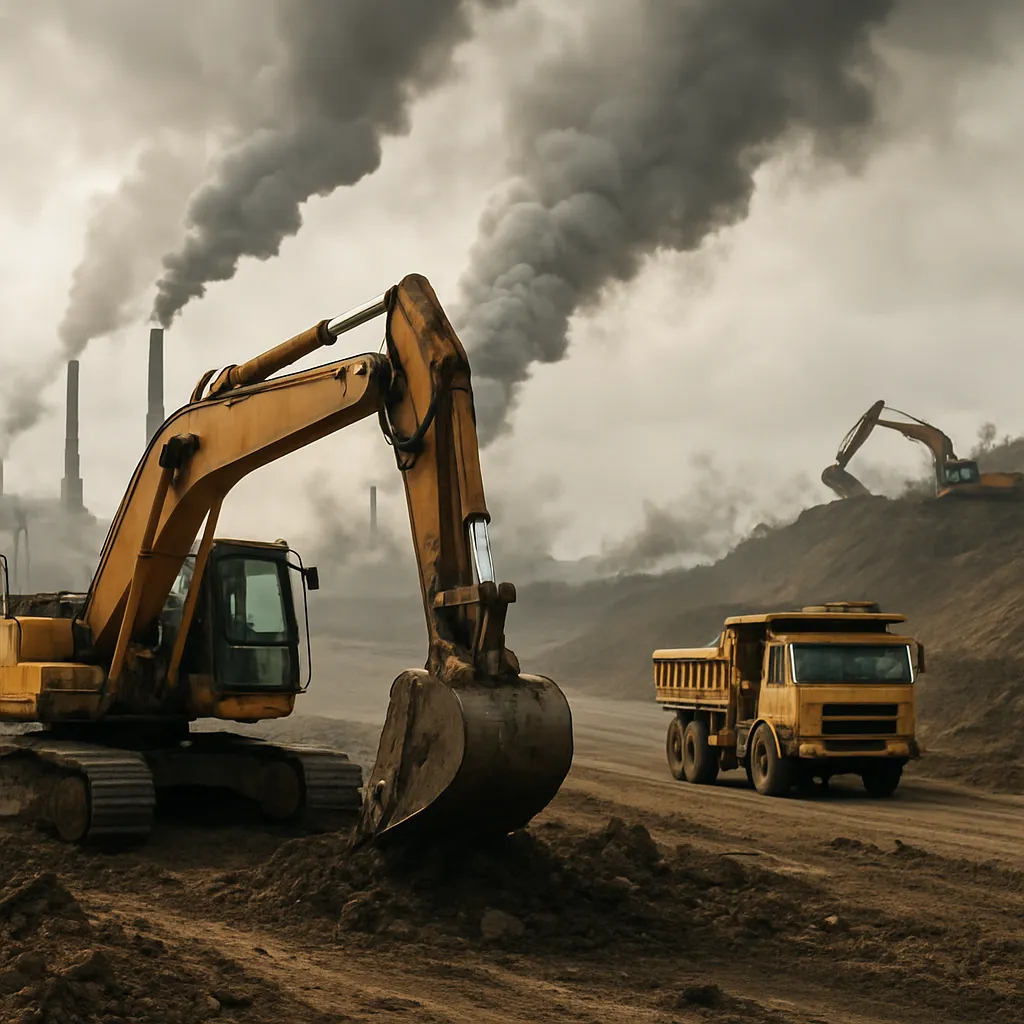
Heavy equipment operators and project managers are constantly seeking ways to balance robust performance with ecological responsibility. The transformation of construction, mining, and agricultural sectors hinges on crafting a roadmap toward a greener future. This article examines key areas where machinery at work intersects with pressing environmental issues, highlighting strategies and technologies that can drive meaningful progress.
Environmental Impact of Heavy Machinery
The deployment of cranes, excavators, and bulldozers presents a dual challenge: meeting demanding operational requirements while managing emissions and resource consumption. Diesel-powered engines, the backbone of most heavy-duty fleets, release significant amounts of greenhouse gases and particulate matter. These pollutants contribute to air quality degradation, respiratory ailments, and accelerated climate change. Additionally, the extraction of raw materials for manufacturing and maintaining equipment compounds ecological strain through land disturbance and water usage.
Soil compaction, noise pollution, and accidental spills of hydraulic fluids further exacerbate environmental burdens. When operating in sensitive ecosystems, such as wetlands or forests, heavy machinery can alter drainage patterns, destroy wildlife habitats, and accelerate erosion. Without a holistic approach, even short-term construction projects can leave lasting scars on the landscape.
- Lifecycle analysis reveals hotspots for improvement, from production and transport to end-of-life recycling.
- Regulations push manufacturers and contractors to adopt cleaner technologies and best practices.
- Digital monitoring tools enable real-time tracking of fuel use and emissions on work sites.
Innovations Driving Sustainable Practices
Electrification and Alternative Fuels
Electric motors offer a pathway to slash tailpipe emissions and reduce noise levels. Advances in battery technology have made electric excavators and loaders increasingly viable for urban and indoor environments. Meanwhile, hydrogen fuel cells are gaining traction for their ability to deliver extended run times and rapid refueling without direct carbon output.
Biofuels, derived from plant oils or agricultural waste, can often replace standard diesel with minimal engine modifications. By integrating biofuels or renewable diesel blends, operators can decrease net CO₂ emissions without sacrificing torque or power density. As these alternative energy sources scale up, supply chain resilience and cost competitiveness are improving.
Advanced Materials and Manufacturing
Lightweight composites and high-strength alloys reduce total machine weight, boosting fuel economy and lowering soil stress. Additive manufacturing (3D printing) allows for precise component designs, minimizing material waste and accelerating the production of custom parts. Such innovation not only enhances performance but also lessens the environmental footprint of part fabrication and transportation.
Digital twin technology creates virtual replicas of equipment, enabling engineers to simulate stress tests and maintenance scenarios before deploying hardware on the field. This predictive approach extends component life and curtails unscheduled downtime, thereby cutting unnecessary resource consumption.
Operational Strategies for Reducing Carbon Footprint
Beyond technological upgrades, operational tactics can yield significant environmental gains. Optimizing machine utilization, planning efficient routes, and eliminating idle time are low-hanging fruits that boost efficiency and trim fuel costs simultaneously.
- Telematics platforms collect and analyze data on engine performance, alerting supervisors to idling or harsh driving behaviors.
- Regular maintenance, including filter replacements and fuel system cleanings, prevents performance degradation and excessive waste generation.
- Driver training programs emphasize eco-friendly techniques like progressive shifting and throttle modulation.
- Implementing scheduling software reduces empty runs and optimizes load capacity for haul trucks and dumpers.
Water management also plays a crucial role on sites that use dust suppression or concrete mixing. Reusing process water and capturing runoff can prevent chemical contamination of nearby waterways and conserve precious freshwater supplies.
Future Prospects and Emerging Technologies
Looking ahead, artificial intelligence and machine learning will underpin next-generation environmental controls. Smart machines will automatically adjust engine parameters to match varying load conditions, balancing performance with decarbonization targets.
Autonomous equipment fleets offer the potential to reduce human error, optimize pathways, and orchestrate harmonious interaction between multiple machines. Such coordination can minimize idle times, avoid redundant movements, and enhance overall resilience in the face of unpredictable site conditions.
Carbon capture and utilization technologies, though nascent in heavy equipment applications, promise to trap exhaust CO₂ and convert it into usable chemicals or composites. Paired with renewable energy sources on site—such as solar arrays or wind turbines—these systems could turn construction zones into partially self-sustaining hubs.
Finally, the adoption of circular economy principles will redefine equipment ownership and disposal. Manufacturers are exploring modular designs that streamline part replacement and facilitate comprehensive recycling. Leasing models incentivize longer service lifespans and ensure that retired machines are repurposed or dismantled responsibly.
By embracing a multifaceted strategy—combining cleaner powertrains, smarter operations, and forward-thinking policies—the heavy equipment industry can confront its environmental challenges while continuing to drive progress in infrastructure, resource extraction, and agriculture.