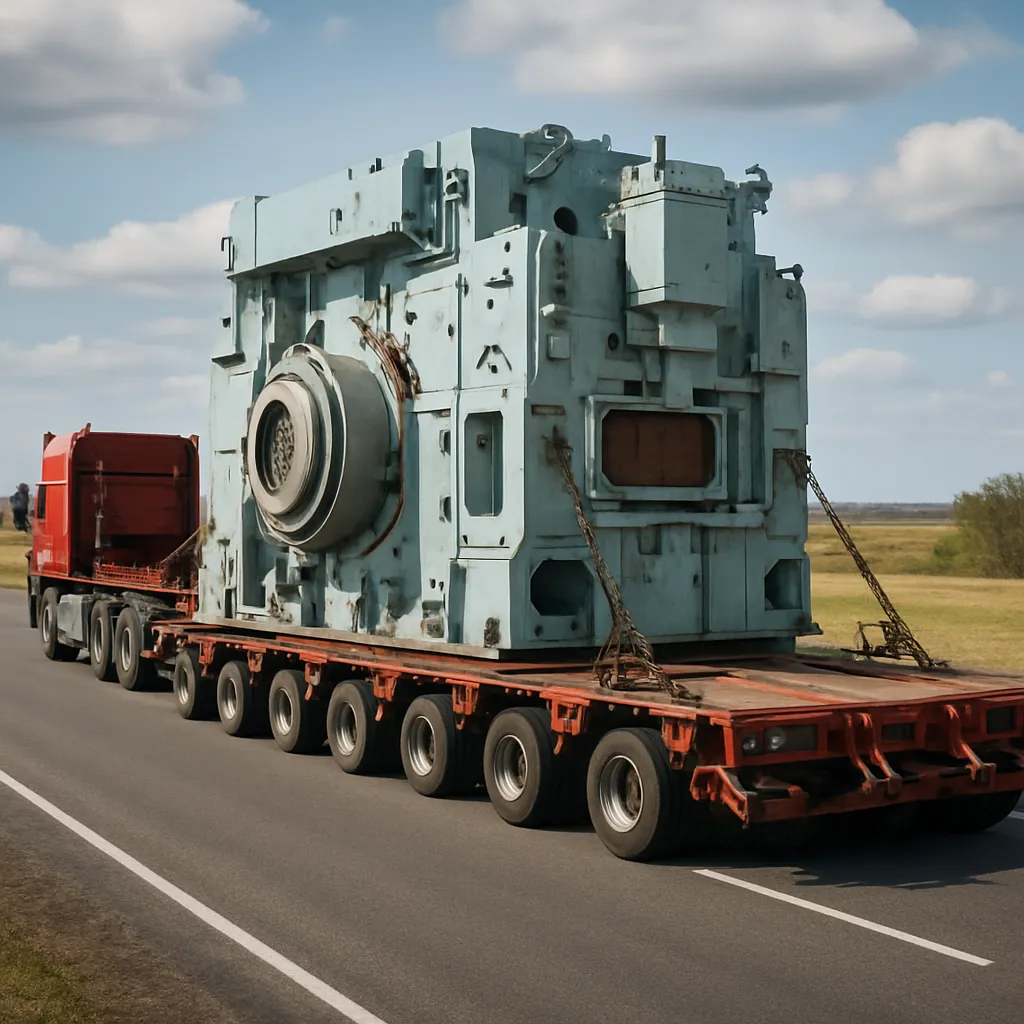
Transporting a massive piece of industrial equipment over long distances demands meticulous planning, cutting-edge technology, and unwavering attention to safety. When the payload weighs 300 tons, every decision— from route selection to final placement— can mean the difference between smooth delivery and costly delays. This article explores the core stages and considerations involved in moving such a colossal machine across the country.
Planning the Logistics Roadmap
The journey begins long before any wheels roll. A comprehensive logistics plan lays the foundation for success. Transporters must evaluate multiple factors, including the physical capabilities of roads, bridges, and tunnels, as well as regulatory hurdles. Effective coordination among various stakeholders—government agencies, local authorities, and utility companies—ensures that all permits and escorts are in place.
- Route Analysis: A detailed survey identifies weight limits, low-clearance points, and potential obstacles. Engineers use GPS mapping and 3D modeling to mark critical pinch points.
- Permit Acquisition: Oversize and overweight permits vary by jurisdiction. Each state or province may impose restrictions on timing, vehicle dimensions, and required escort vehicles.
- Scheduling: Transport windows must align with traffic patterns to minimize disruptions. Night moves or weekend operations can reduce conflicts but may incur additional costs.
Specialized Equipment and Technology
Handling 300 tons requires an arsenal of advanced machines. Traditional flatbed trailers simply cannot cope with such loads. Today’s heavy-haul industry leverages self-propelled platforms, modular trailers, and hydraulic systems to achieve precise movement and placement.
Self-Propelled Modular Transporters (SPMTs)
SPMTs consist of multiple axle lines, each with independent steering and suspension. Operators can adjust height, tilt, and direction on the fly, allowing for millimeter-level precision when negotiating turns or loading docks. Their stabilization features prevent sway and minimize dynamic loads on the cargo.
Hydraulic Jacking and Skidding Systems
In scenarios where cranes cannot reach, hydraulic jacks lift the machine just enough to slip skid shoes underneath. Skidding technology then uses hydraulic pressure to slide the load along lubricated surfaces. This method reduces the need for massive lifting frames and can be more cost-effective for short transfers.
Engineering Challenges and Structural Reinforcement
Moving a heavy machine isn’t just about transportation hardware; it often demands alterations to the cargo itself or the infrastructure. Structural engineers perform stress analyses to ensure that the machine can withstand the forces encountered during transport. In some cases, sections of the equipment are disassembled, or temporary bracing is installed.
- Load Distribution: Outfitting trailers with load-spreading beams prevents concentration of weight that could damage the transport vehicle or underlying pavement.
- Bridge Assessments: Engineers calculate bending moments and shear forces to certify that bridges along the route can support the weight without reinforcement.
- Temporary Modifications: Removing non-critical appendages or reinforcing fragile components can significantly reduce risk during transit.
Ensuring Safety and Regulatory Compliance
Safety remains paramount when dealing with heavy hauls. A single mistake could lead to catastrophic failures, property damage, or personal injury. Rigorous risk assessments drive the creation of safety protocols that cover every phase, from loading to unloading.
- Risk Mitigation Plans: Identifying potential hazards—such as roadbed failure, overhead clearance issues, or mechanical breakdowns—allows teams to prepare contingency measures.
- Escort and Piloting: Qualified personnel guide the convoy, communicating with traffic control centers to clear intersections and coordinate power-line lifts.
- Emergency Response: Onsite medical teams and recovery vehicles stand ready in the event of equipment failure or accidents.
Strict adherence to industry standards, such as those published by the National Safety Council and specialized heavy-haul associations, guarantees compliance and minimizes liability.
Powering Through Unexpected Challenges
Even the best-laid plans can encounter surprises. Weather changes, road closures, or equipment malfunctions demand flexible problem-solving. Real-time monitoring with telematics provides visibility into vehicle performance, route progress, and environmental conditions.
On one cross-country move involving a power-plant turbine, a sudden bridge inspection requirement forced the team to reroute. Using portable weighing pads and quick engineering assessments, they validated an alternative bridge’s load capacity within hours. This agile response prevented a week-long delay.
Case Study: National Generator Relocation
Relocating a 300-ton standby generator from the Gulf Coast to an inland power facility illustrates the synergy of advanced logistics and engineering. The project featured:
- Multimodal Transport: Initial barge shipment moved heavy components to a river port, reducing on-highway mileage.
- Interstate Highway Travel: Custom-built SPMTs navigated narrow state roads, with utility companies temporarily raising power lines.
- Final Placement: High-precision laser guidance ensured the generator aligned perfectly with foundation anchor points, eliminating fitment issues and starting the commissioning process on schedule.
This operation showcased the importance of integrating maritime, rail, and highway transport modes to optimize cost and time efficiency.
Future Trends in Heavy-Haul Operations
Emerging technologies promise to revolutionize the movement of ultra-heavy loads. Remote-controlled SPMTs, powered by electric or hydrogen fuel cells, aim to reduce emissions and noise. Digital twins—virtual replicas of physical transport operations—enable full-scale simulations to refine plans before executing them in the real world.
As infrastructure improves and regulations evolve, the heavy-haul industry will continue to push the limits of what machines at work can achieve. By combining state-of-the-art equipment with rigorous planning and unwavering attention to safety, the successful transport of a 300-ton machine across the country transforms from a daunting challenge into a mastered capability.