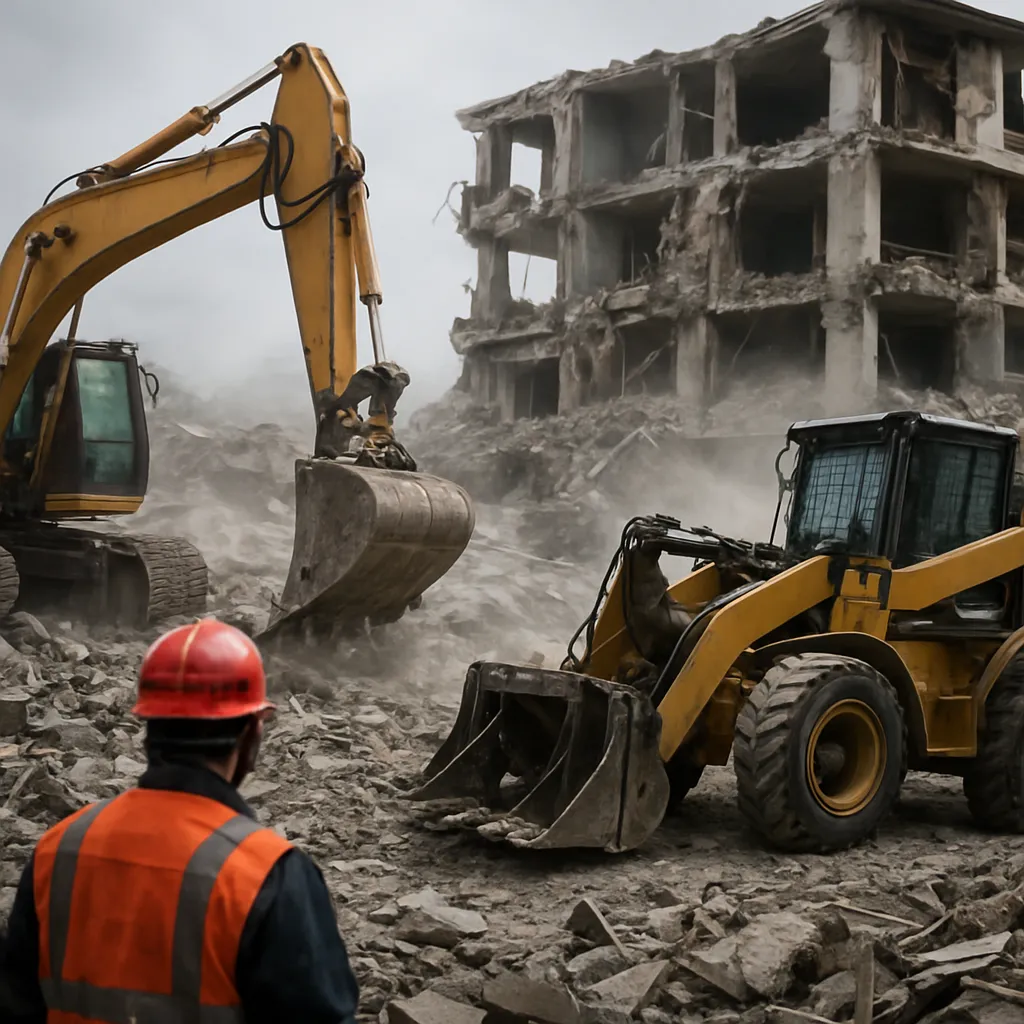
The aftermath of catastrophic events often demands swift, precise, and robust solutions. Rescue teams face chaotic environments where every second counts, debris blocks pathways, and survivors remain trapped under collapsed structures. Cutting-edge machines have emerged as indispensable allies in these efforts, bridging the gap between human capabilities and the harsh realities of disaster zones. Through advanced technologies, rescue operations achieve higher levels of safety, speed, and effectiveness.
Technological Advancements in Disaster Response
Disaster response has undergone a remarkable transformation as engineers and scientists have harnessed breakthroughs in robotics and artificial intelligence to develop systems that can navigate hazardous terrain and perform complex tasks. From remote-controlled ground units to autonomous aerial platforms, today’s rescue missions utilize a diverse array of machines designed to operate under extreme conditions.
Autonomous Ground Systems
Unmanned ground vehicles (UGVs) equipped with cameras, thermal imaging, and mechanical arms can traverse rubble, locate survivors, and deliver essential supplies. These remote-operated vehicles often include aerial connectivity modules that maintain a communication link with command centers even when conventional networks fail.
High-Flying Drone Platforms
Drones have become a cornerstone of modern rescue efforts. Their agility and ability to hover over danger zones allow teams to perform rapid aerial assessments, map unstable landscapes, and pinpoint areas of greatest need. Some models carry lightweight stretchers or medical kits, enabling responders to reach survivors before human teams arrive.
Advanced Sensing and Data Collection
Effective decision-making hinges on accurate information. Networks of sensors—including seismic detectors, gas analyzers, and remote cameras—feed real-time data into central systems. By analyzing readings from these devices, coordinators can identify gas leaks, detect structural weaknesses, and track aftershocks, significantly reducing the risk to human rescuers.
Applications of Machines in Various Phases of Rescue Missions
Deployment strategies vary depending on the disaster’s scale and nature. Machines support every stage, from early warning and reconnaissance to sustained recovery operations.
Pre-Disaster Planning and Simulation
- Digital twins of urban areas enable teams to model earthquake or flood scenarios, testing response protocols without exposing personnel to danger.
- AI-driven predictive analytics forecast the most vulnerable neighborhoods, helping authorities allocate resources effectively.
Immediate Response and Reconnaissance
- Drones equipped with infrared cameras survey vast expanses in minutes, identifying hot spots and potential survivor locations.
- UGVs employ articulated legs or tracks to crawl through collapsed buildings, providing live video feeds to rescue coordinators.
Search and Rescue Operations
In complex urban disasters, coordination between machines and human teams is crucial. Robots can lift light debris or tunnel through unstable areas, clearing paths for manual efforts. By integrating automation with human intuition, rescue teams optimize their approach, ensuring both speed and safety.
Medical Support and Evacuation
- Aerial robots carry first-aid kits and defibrillators directly to survivors in remote or inaccessible sites.
- Specialized stretcher drones transport injured individuals to field hospitals, reducing transit times and improving survival rates.
Post-Disaster Assessment and Reconstruction
After urgent life-saving activities wind down, machines contribute to damage assessment. High-resolution mapping drones survey entire regions to calculate infrastructure damage and environmental impact. These assessments guide engineers during the reconstruction phase, enabling resilient rebuilding strategies.
Integration and Coordination in Complex Environments
Efficient rescue missions rely on seamless communication between various systems. Machine-to-machine protocols and robust networking ensure reliable data exchange, even when conventional networks collapse.
Unified Command Systems
Command centers leverage integrated dashboards that compile feeds from drones, UGVs, and fixed telecommunication towers. This holistic view allows decision-makers to assign resources dynamically, redirecting machines and personnel to evolving hotspots.
Collaborative Robotics and Human Teams
Human rescuers and machines often work side by side. While robots take on high-risk tasks—venturing into unstable zones or scanning for hazardous chemicals—humans perform delicate medical operations and provide psychosocial support to survivors. This synergy enhances overall operational efficiency and safety.
Data Analytics for Rapid Decisions
Advanced data analytics platforms process terabytes of information in real time. By identifying patterns in seismic activity, weather conditions, and resource availability, these systems offer actionable recommendations. Commanders can then prioritize zones with the highest probability of finding survivors or preventing additional damage.
Case Studies: Real-World Implementations
Several high-profile disasters have demonstrated the life-saving potential of machine-assisted rescue efforts.
Earthquake Response in Urban Centers
After a major quake struck a densely populated city, rescue teams deployed both aerial and ground robots. Drones mapped out compromised buildings while robotic crawlers tunneled under debris to locate trapped individuals. Within hours, dozens of survivors were rescued thanks to the rapid identification of voids beneath collapsed structures.
Hurricane Flood Relief and Recovery
Massive floods left entire communities submerged, cutting off roads and power. Amphibious UGVs navigated flooded streets to deliver food and medicines. Floating drones conducted water-quality testing, alerting response teams to areas at risk of toxic contamination.
Wildfire Evacuation Support
When wildfires threatened rural towns, aerial platforms equipped with thermal sensors tracked fire fronts in real time. This intel allowed firefighters to deploy containment crews strategically, saving critical infrastructure and minimizing evacuation times.
Challenges and Future Directions
Despite significant progress, hurdles remain. Power constraints limit the operational duration of battery-powered systems. Rugged terrains and inclement weather can degrade sensor accuracy or compromise communication links. Furthermore, ethical concerns arise around privacy when drones survey private properties.
Enhancing Endurance and Reliability
- Next-generation batteries and lightweight solar panels aim to extend flight times and ground operations.
- Advanced materials will improve machine resilience against heat, moisture, and mechanical stress.
Standardizing Interoperability
Developing universal communication protocols will facilitate smoother collaboration between machines from different manufacturers and rescue teams across jurisdictions. Open-source frameworks and joint exercises can help establish these standards.
Ethical and Regulatory Considerations
Balancing the need for rapid data collection with individual privacy rights is critical. Clear guidelines on data usage, storage, and destruction must accompany technological deployments to maintain public trust and comply with legal frameworks.
Emerging Innovations
Future trends point to swarms of coordinated drones capable of self-organizing into dynamic formations, performing complex search patterns without direct human control. Advances in resilience-oriented robotics will produce machines that adapt instantly to shifting environments, learning from every mission to improve subsequent responses.
Conclusion
Machines have redefined the landscape of rescue operations, providing capabilities that enhance human efforts and push the boundaries of what is possible in disaster response. By continuing to invest in research, standardization, and ethical oversight, the global community can ensure that these technologies deliver maximum benefit, saving countless lives when disaster strikes.