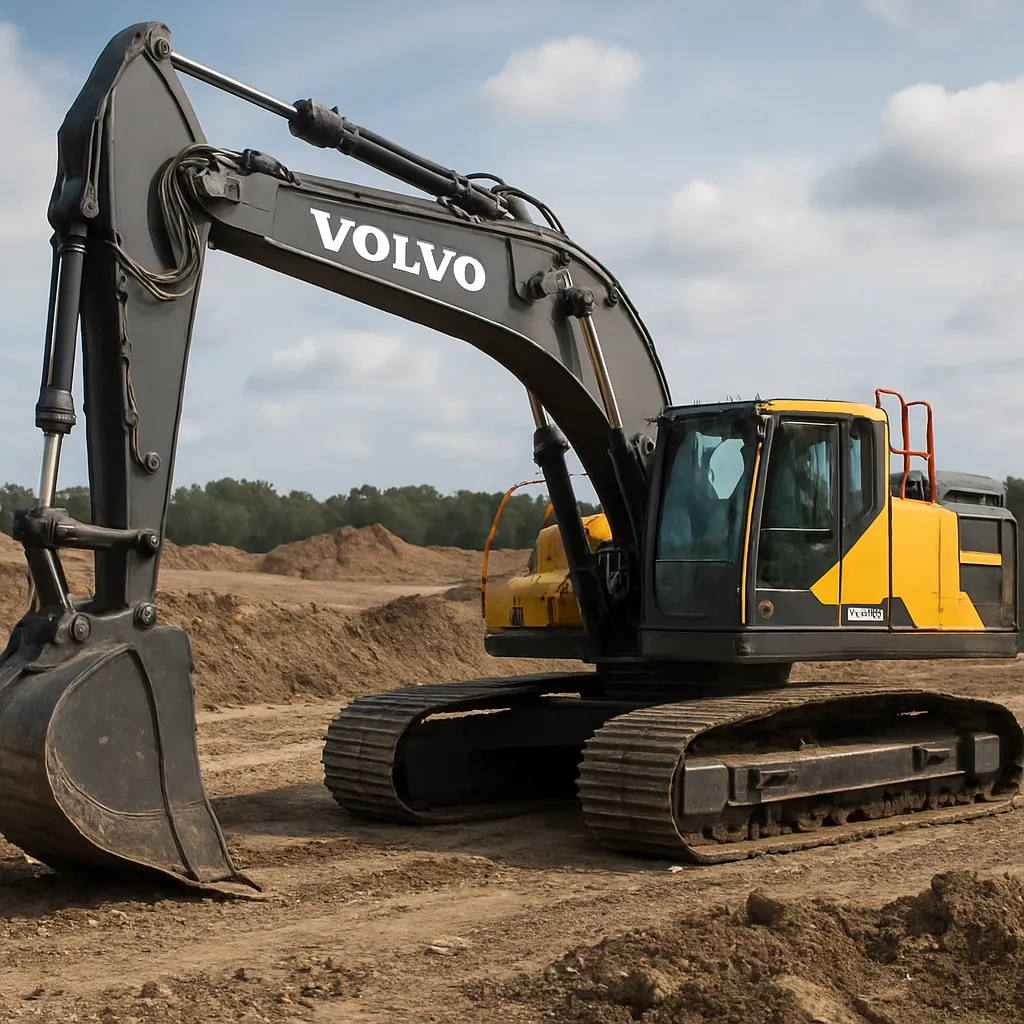
The Volvo EC380E is a heavy-duty tracked excavator designed for demanding earthmoving, quarrying and infrastructure projects. In this article we explore its main characteristics, typical applications, technical data (approximate), operational advantages, and considerations for ownership and maintenance. Emphasis is placed on the machine’s practical strengths in the field, the range of available attachments, and how it performs in both short-term projects and long-life fleet operations.
Overview and key features
The Volvo EC380E belongs to Volvo Construction Equipment’s mid-to-large excavator class and is built for high productivity in tough conditions. It is commonly used where a balance of lifting capacity, digging reach and transportability is needed. Key design priorities for the EC380E are stability, hydraulic performance and ease of service, helping contractors achieve consistent cycle times across a variety of tasks.
Important factory and optional features include robust undercarriage options, reinforced structures for heavy-duty applications, and a hydraulic system that supports simultaneous multi-function operation. Volvo has focused on operator ergonomics and machine resilience, as these traits strongly influence long-term fleet availability and total cost of ownership.
- Powerful diesel engine options tuned for high torque at low rpm
- Advanced hydraulic system for smooth, coordinated movements
- Reinforced boom and stick designs for heavy-duty digging and lifting
- Cab designs that prioritize visibility, comfort and controls layout
- Service points and filters arranged for fast routine maintenance
Technical specifications (typical / approximate)
Specifications vary with market, configuration (standard or long-reach), and optional attachments. The values below represent commonly reported ranges for the EC380E class and should be verified against a specific machine’s serial plate or dealer specification sheet.
- Operating weight: approximately 36,000–40,000 kg (79,000–88,000 lbs)
- Engine power: approximately 190–235 kW (255–315 hp) at rated rpm
- Bucket capacity: typically 1.2–2.0 m³ (1.6–2.6 yd³) depending on bucket type
- Maximum digging depth: approximately 7.0–7.8 m (23–25.6 ft) standard arm; long-reach configurations extend further
- Maximum reach at ground level: approximately 11.5–12.5 m (37.7–41 ft)
- Maximum digging force (bucket): often in the range of 220–280 kN depending on configuration
- Hydraulic system pressure and flow: designed for high-flow, high-pressure operation suitable for breakers and vibrating tools; auxiliary flow values depend on pump configuration
- Travel speed: typically 5–6.5 km/h (low) and up to 11–12 km/h (high) depending on undercarriage and gear settings
- Fuel tank capacity: often around 500–700 liters (132–185 gallons) depending on model year and options
- Cab: ROPS/FOPS certified with multiple ergonomic and safety features
Note: exact figures depend on production year, regional emissions variants and optional packages. Always consult the machine’s specification plate or the dealer for precise numbers for a particular unit.
Primary applications and typical jobsites
The EC380E is a versatile performer across many sectors. Its size and power place it in the sweet spot for large civil, industrial and quarry applications where rigid performance and economy of operation are important.
- Earthmoving and site preparation: bulk digging, trenching for utilities, mass excavation for building foundations and earthworks.
- Quarry and mining support: loading dump trucks, ripping and production digging when paired with heavy-duty buckets and rock attachments.
- Road and infrastructure construction: cutting, grading, drainage works and pipe-laying support.
- Demolition and recycling: when equipped with hydraulic shears, pulverizers or grapples for selective demolition and material handling.
- Port and bulk handling: handling loose materials and assisting in shipyard or storage facility operations.
- Pipeline and utility installation: longer reach arms and precise hydraulic control support deep trenching and backfilling operations.
Attachments and versatility
The EC380E is designed to accept a wide array of attachments, increasing its utility across job types. Attachments can transform the excavator from a digger into a breaker, shear, or material handler, delivering multi-role functionality on a single platform.
- Standard and heavy-duty buckets (rock, general purpose, skeleton)
- Hydraulic breakers and hammers for rock and concrete work
- Hydraulic shears and pulverizers for demolition
- Grapples and log-handling tools for material sorting and forestry
- Thumbs and quick couplers for rapid switching between tools
- Tilt rotators for versatile orientation of buckets and tools (where regional suppliers offer retrofits)
Quick couplers and integrated hydraulic circuits allow a rapid changeover between attachments, maximizing uptime and responsiveness on multi-task sites.
Performance, productivity and fuel economy
Volvo designed the EC380E to balance high productivity with manageable fuel consumption. Machine control of hydraulics and torque-based engine management contributes to efficient digging cycles and lower fuel use per ton moved, especially when operators use the machine in an optimized manner.
- Proportional hydraulic control supports simultaneous boom, arm and swing movements with minimal loss of efficiency.
- Engine modes (where fitted) allow operators to switch between full-power and economy settings to reduce fuel burn during lighter tasks.
- Smart hydraulic pump configurations and flow sharing ensure attachments receive adequate power without wasting energy.
Typical onsite productivity depends heavily on attachment choice, operator skill, soil conditions and cycle layout. Manufacturers and dealers often provide productivity calculators showing bank cubic meters per hour or truck loadings per shift based on bucket size and cycle times.
Operator environment and safety
Operator comfort and safety are central to Volvo’s cab design. A comfortable, well-appointed cab improves concentration and reduces fatigue, which translates directly into sustained productivity and safer operation.
- Operator comfort: adjustable seats, climate control, low-vibration mounting and user-friendly joysticks help reduce operator strain during long shifts.
- Visibility: large glazed areas plus optional camera packages increase situational awareness around the machine.
- Safety: ROPS/FOPS certified cab, anti-slip surfaces, handrails and well-placed service points to reduce the risk of slips and falls during maintenance routines.
- Advanced safety packages: optional overload alarms, swing and travel interlocks, and remote diagnostics for monitoring critical parameters.
Maintenance, serviceability and telematics
Reduction in downtime and lower lifecycle cost are achieved through straightforward maintenance access, quality service networks and increasingly through telematics platforms.
- Serviceability: grouped service points, ground-level filters and easy-access compartments make daily checks and routine servicing faster.
- Consumables: filters, wear parts for buckets and undercarriage are designed for long life but should be monitored based on operating conditions.
- Telematics and fleet management: Volvo’s remote monitoring solutions (marketed under names such as CareTrack / Volvo ActiveCare in various regions) provide data on fuel use, idling, operating hours and fault codes, enabling preventive maintenance.
- Scheduled maintenance intervals vary by engine and use; common intervals include daily checks, 250–500 hour minor services and 1,000 hour major services for many components.
Good preventive maintenance practice can extend the useful life of an excavator well beyond the initial ownership term. For well-maintained machines in non-abrasive environments, a life measured in tens of thousands of hours is achievable before requiring major rebuilds.
Environmental and emissions considerations
Depending on the production year and market, EC380E machines may meet different emission stages (Tier 3, Stage IIIA, Stage IV / Tier 4 Final). Volvo integrates aftertreatment systems and engine calibrations to comply with local regulations while keeping fuel use competitive.
- Stage/Tier compliance: verify model-year and region for applicable emissions standard.
- Aftertreatment: diesel particulate filters and selective catalytic reduction (SCR) are common solutions on newer units.
- Noise and dust mitigation: enclosed cabs, mufflers and optional dust seals help reduce onsite environmental impacts.
- Recycling and remanufacturing: Volvo’s parts reman program helps lower lifecycle footprint by reconditioning major components.
Market data, lifecycle and resale considerations
Exact market statistics for the EC380E depend on region and year. The machine sits in a high-demand segment for medium-large excavators. Key points to consider when evaluating market value and lifecycle are:
- Depreciation: heavy equipment typically experiences most depreciation in the first 3–5 years; thereafter value is driven by hours, condition and maintenance history.
- Typical useful life: many well-maintained excavators operate reliably for 10–15 years or longer; heavy-use mining or quarry units may need earlier major component overhauls depending on abrasive wear.
- Resale market: Volvo machines often command good resale values due to brand recognition, dealer support and parts availability.
- Hours-to-rebuild guidance: while variable, major overhauls on big excavators commonly occur in the 15,000–25,000 hour range depending on use and maintenance.
Cost considerations and operating economics
When budgeting for an EC380E, total cost of ownership includes purchase or lease costs, fuel, maintenance, operator labor, insurance, and downtime. Typical hourly operating cost estimates vary widely by region and usage patterns, but general guidance helps with financial planning.
- Fuel: fuel consumption varies with task and operator; heavy digging and idling increase burn rate. Using economy modes and well-tuned hydraulics reduces fuel per ton moved.
- Maintenance: planned maintenance and use of telematics to catch issues early reduces unplanned downtime and cost spikes.
- Replacement parts and consumables: wear items such as bucket teeth, undercarriage chain and sprockets are significant recurring costs in abrasive environments.
- Hours-based costing: some operators calculate fully loaded cost-per-hour figures that include amortized purchase, financing, labor and consumables to select machines for specific tasks.
Real-world use examples
Examples of EC380E deployment scenarios highlight the machine’s strengths:
- Large housing development: the EC380E is used for bulk excavation, basement digging and loading aggregate trucks, benefiting from its combination of reach and bucket size.
- Quarry face support: fitted with rock buckets and a heavy-duty undercarriage, the EC380E handles the continuous loading of haul trucks.
- Bridge abutment construction: precise hydraulic control and lifting capability make the machine suitable for placing rebar cages and managing heavy precast elements.
- Demolition: with shear and grapple attachments the excavator supports selective deconstruction with reduced manpower.
Buying tips and rental strategy
Deciding between buying new, purchasing used, or renting depends on project duration, capital availability and fleet strategy. Consider these practical tips:
- For short-term projects or seasonal peaks, renting an EC380E can avoid capital outlay and maintenance responsibility.
- When buying used, request full maintenance records, inspect undercarriage wear, boom/stick integrity and hydraulic hoses for leaks.
- Consider factory-backed certified used programs for a balance between cost savings and warranty protection.
- Factor in attachments and quick-couplers during purchase planning; they affect productivity and return on investment.
Summary
The Volvo EC380E is a capable machine for contractors and owners who require a robust, mid-to-large excavator that balances productivity, fuel efficiency and operator ergonomics. Its adaptability via a wide attachment palette and strong service and telematics support make it suitable for diverse roles—from heavy earthmoving and quarry work to demolition and port handling. Attention to serviceability, preventive maintenance and correct attachment selection will maximize uptime and lower lifetime costs, while safety and operator comfort features sustain consistent performance across long shifts. For reliable deployment and accurate specification, consult an authorized dealer to match the exact EC380E configuration and options to your operational requirements.


)
)