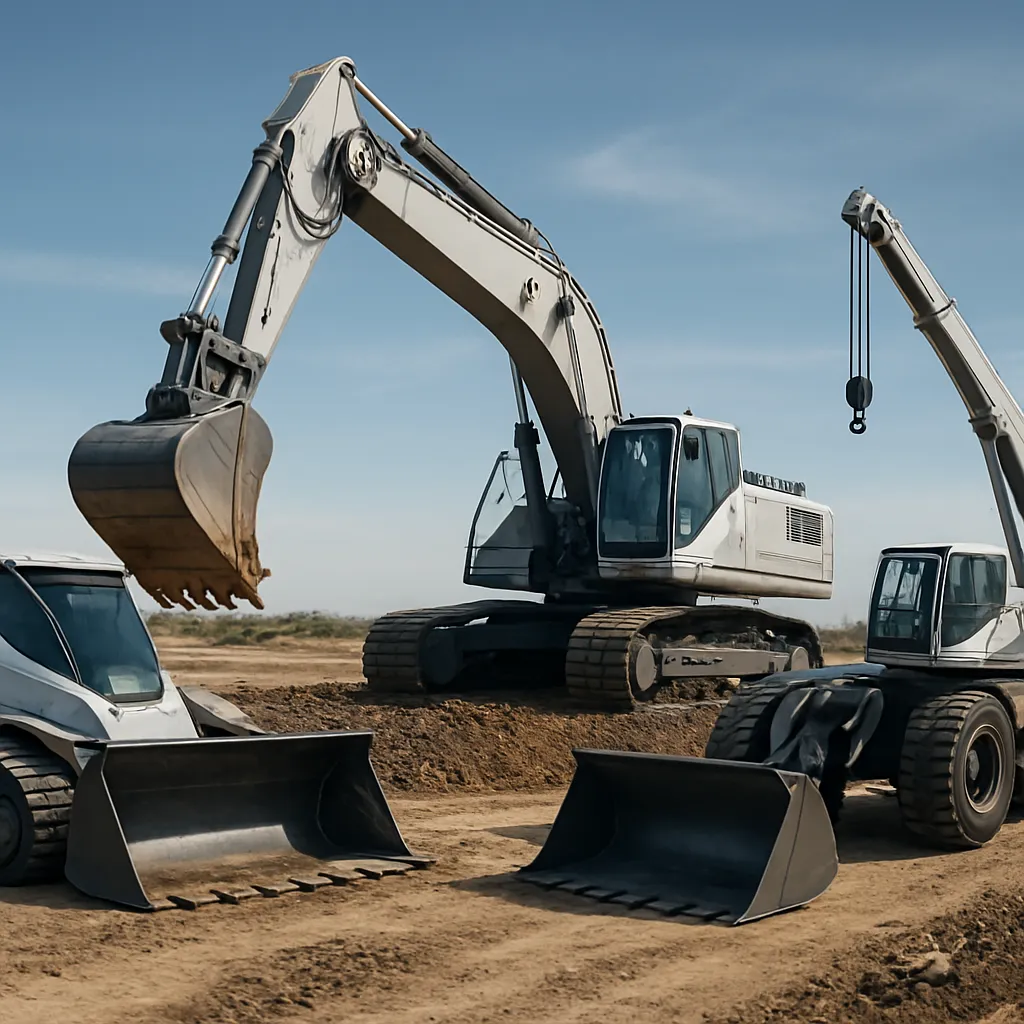
Construction sites around the globe are undergoing a remarkable transformation as cutting-edge machinery reshapes the way we build infrastructure. From towering skyscrapers to vast highways, these advanced machines blend technology and engineering to deliver unprecedented levels of efficiency and precision. Explore how modern innovation is driving productivity and redefining the future of construction.
Emerging Robotics in Construction Automation
Robotics has become a game-changer in the construction industry. Once confined to manufacturing floors, robots now navigate complex job sites, handling tasks that demand both strength and dexterity. Their integration addresses persistent challenges such as labor shortages, tight deadlines, and stringent quality standards. By offloading repetitive or hazardous operations, these machines ensure work proceeds swiftly, consistently, and with elevated safety.
Bricklaying and Masonry Robots
Automated bricklaying robots can place hundreds of bricks per hour with uniform mortar application. Equipped with advanced vision systems, they detect irregularities in brick shapes and adjust accordingly. These robots not only accelerate wall construction but also reduce material waste by optimizing mortar usage. Key benefits include:
- Up to 50% faster completion times compared to manual labor
- Consistent mortar joints with millimeter-level accuracy
- Enhanced worker safety by removing heavy lifting
3D Concrete Printing
Large-scale 3D printers extrude specially formulated concrete mix through programmable nozzles, creating complex geometries layer by layer. This approach offers remarkable design flexibility, enabling architects to realize curvilinear façades, lattice structures, and even free-form sculptures. The process reduces formwork requirements, slashes construction waste, and cuts labor costs.
Autonomous Heavy Equipment and Vehicles
Heavy equipment is not immune to the autonomous revolution. Bulldozers, excavators, and dump trucks are now available with self-driving capabilities, leveraging GPS, LiDAR, and AI-driven control systems. These machines excel in large-scale earthmoving and material handling, particularly on mining and infrastructure projects where precision and reliability are paramount.
Driverless Dozers and Excavators
Autonomous dozers and excavators map the terrain in high resolution and follow preprogrammed routes, ensuring consistent grading and trenching. Operators monitor multiple machines remotely, switching between units as needed. Notable advantages include:
- 24/7 operation without breaks, boosting productivity
- Reduced fuel consumption through optimized routes and engine management
- Minimized human exposure to harsh environments
Smart Haul Trucks
In open-pit mines and major civil works, smart haul trucks ferry tons of materials autonomously. Integrated with fleet management platforms, they coordinate with shovels and crushers to streamline loading and unloading. Real-time data exchange enhances cycle times and prevents bottlenecks, achieving up to a 15% increase in overall output.
Smart Materials and Additive Manufacturing
The fusion of robotics and material science has given rise to innovation in additive manufacturing. Beyond 3D printing concrete, new feedstocks include fiber-reinforced polymers, high-performance composites, and even self-healing materials that seal cracks autonomously.
Fiber-Reinforced Polymer Components
Robotic arms can mold and lay composite fibers with exceptional precision. These prefabricated elements are lightweight, corrosion-resistant, and boast high tensile strength. Applications range from bridge segments to modular building panels, facilitating rapid on-site assembly and lowering transportation costs.
Self-Healing Concrete
Incorporating microcapsules of healing agents within concrete mix allows structures to repair microcracks automatically. Triggered by water ingress, these capsules release limestone-forming bacteria or polymer sealants, extending the lifespan of pavements and structural elements while reducing maintenance demands.
Digital Twins and AI-Powered Analytics
Digital twins—virtual replicas of physical assets—are becoming indispensable in modern construction. These real-time models integrate data from sensors embedded in machinery, materials, and site infrastructure. By simulating scenarios and predicting outcomes, project teams gain unparalleled insight into performance, sustainability, and cost optimization.
Real-Time Monitoring and Predictive Maintenance
IoT-enabled sensors track equipment health metrics such as engine temperature, hydraulic pressure, and vibration patterns. Machine learning algorithms analyze this stream of data to anticipate component failures before they occur. Maintenance can be scheduled during planned downtime, minimizing unexpected breakdowns and associated expenses.
Virtual Reality for Site Planning
Construction managers utilize VR headsets to inspect the digital twin of a site, verifying crane placements, material flow paths, and safety zones. This immersive approach identifies design clashes early, reducing rework and enhancing on-site coordination. Teams can conduct simulated walkthroughs, ensuring everyone understands the build sequence and safety protocols.
Sustainable Innovations and Green Technologies
Sustainability has become a core driver in machinery development. Manufacturers are embracing alternative energy sources, emission controls, and resource-efficient designs to meet stringent environmental standards and corporate responsibility goals.
Electric and Hydrogen-Powered Machines
Electric excavators and loaders eliminate diesel exhaust emissions, offering silent operation and lower operating costs. Hydrogen fuel cell prototypes promise longer runtimes and rapid refueling, making them suitable for remote sites. By transitioning to zero-emission powertrains, construction firms can significantly cut their carbon footprint.
Solar-Powered Mobile Units
Portable solar arrays and battery storage systems can power remote machinery and temporary site offices. These units reduce reliance on diesel generators, lowering noise pollution and fuel logistics. Some sites deploy solar drones to inspect panels for damage, ensuring maximum energy output throughout project lifecycles.
As the industry embraces these futuristic construction machines, the convergence of robotics, AI, and sustainable technologies promises to elevate productivity, safety, and environmental stewardship. The innovations unveiled today will serve as the foundation for tomorrow’s skylines and infrastructure masterpieces.