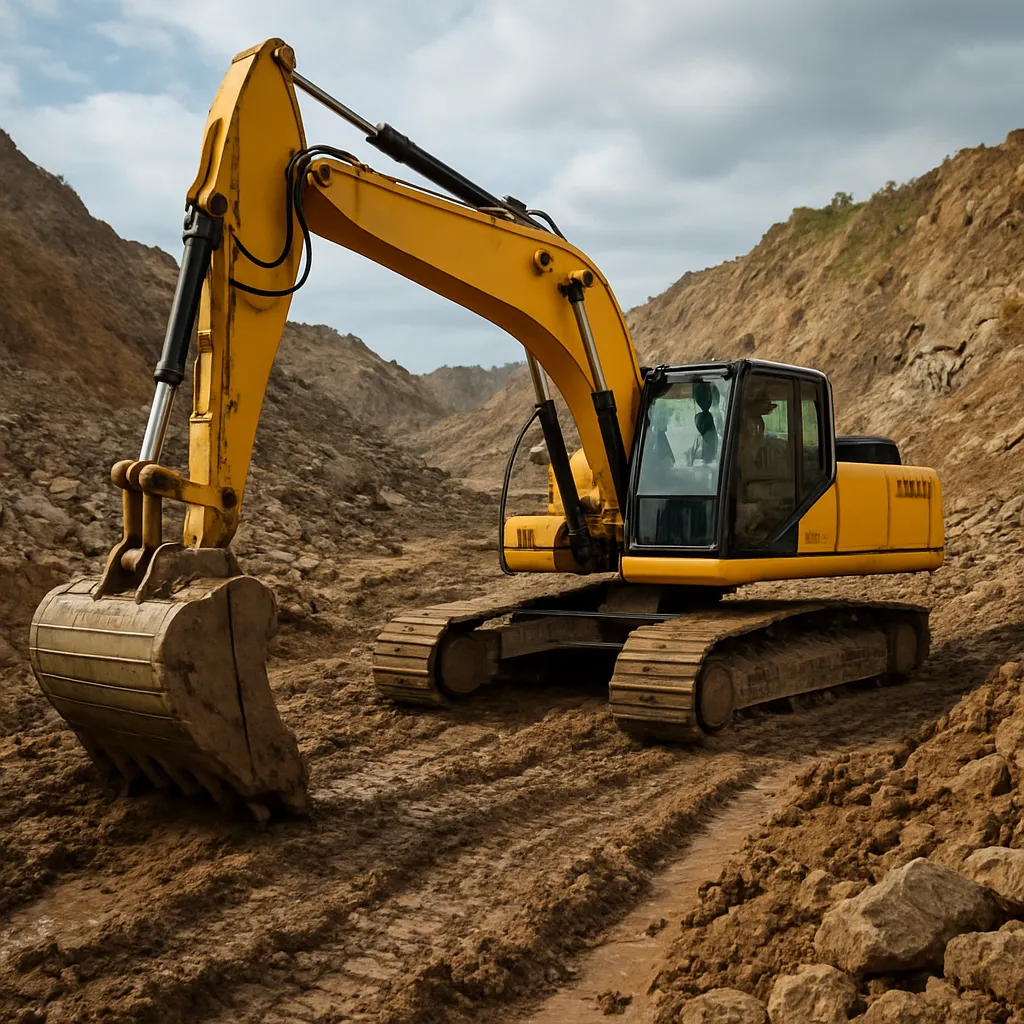
Construction projects often push heavy equipment to the limit, confronting an array of unpredictable and formidable landscapes. From jagged peaks to waterlogged marshes, each setting demands specialized solutions to ensure safety, reliability, and efficiency. Operators and engineers must consider everything from ground composition to climatic conditions, selecting machines that offer exceptional durability, superior traction, and innovative design. This exploration highlights some of the most taxing environments where construction vehicles and tools demonstrate their true capabilities, showcasing ongoing efforts in innovation and adaptation for peak productivity.
Rocky Highlands and Mountainous Regions
Ascending steep slopes and navigating irregular rock formations represent one of the toughest tasks for any construction fleet. In high-altitude sites, thin air affects engine performance, while loose scree and sudden drops elevate risk. To conquer these conditions, contractors rely on machines equipped with low-center-of-gravity chassis, reinforced frames, and advanced four-wheel or tracked stability systems.
Key Obstacles
- Variable gradient angles exceeding 30°
- Sharp rock shards threatening undercarriage integrity
- Temperature swings that induce metal fatigue
- Limited maneuvering space on narrow ledges
Specialized Solutions
- Heavy-duty excavators with rock-breaking attachments
- Articulated dump trucks featuring enhanced suspension
- Bulldozers with high-torque engines and ripper teeth
- Track-mounted cranes offering low ground pressure
Operators often apply rock scaling techniques and temporary anchor systems to secure work zones. Regular inspections and component replacements help maintain optimal performance in environments where wear and tear escalate rapidly. The integration of remote-controlled units also allows crews to handle explosive demolition in areas too perilous for on-site personnel.
Wetlands and Marshy Landscapes
Constructing through bogs, swamps, and floodplains demands machines that resist sinking and corrosion. Soil saturation drastically reduces ground bearing capacity, turning even lightweight equipment into potential bog traps. Amphibious platforms, swamp buggies, and modular track systems have emerged as essential tools for traversing these soggy expanses with minimal ecological disturbance.
Environmental Challenges
- High water table leading to sudden inundation
- Poor soil cohesion increasing risk of machine embedment
- Abrasive organic debris accelerating wear
- Strict environmental regulations on soil displacement
Engineering Innovations
- Hydrostatic drive systems providing constant torque
- Low-ground-pressure tracks with wide contact area
- Corrosion-resistant coatings and stainless components
- Floating pontoons for temporary roadways
Construction crews often lay geotextile fabrics and matting to distribute loads, while GPS-guided leveling ensures precise grading without overcompaction. Aerial drones equipped with ground-penetrating radar help identify soft spots, guiding operators to safer travel corridors. By blending machinery advances with site-specific protocols, projects in these fragile ecosystems can proceed with both safety and environmental stewardship in mind.
Sandy Deserts and Unstable Dunes
Shifting sands pose a unique set of hazards: equipment can become immobilized within minutes, and abrasive particles abrade moving parts relentlessly. Heat extremes also tax cooling systems, demanding robust thermal management. Effective desert operations hinge on selecting vehicles with wide, low-pressure tires or extended tracks that spread weight and prevent sinking.
Operational Hazards
- Sand ingress causing filter and seal degradation
- Rapid dune migration reshaping worksite layouts
- Intense solar radiation shortening component lifespan
- Lack of solid anchor points for cranes and hoists
Adaptive Measures
- Pre-cleaned and pre-filtered air intake systems
- Adjustable tire pressures with onboard inflation kits
- Auxiliary water-cooled radiators and oil coolers
- Use of sand ladders and portable ramp mats
Desert projects often rely on real-time meteorological data to anticipate sandstorms, scheduling heavy tasks during calmer intervals. Remote surveillance and automated monitoring alert teams to unexpected slide activity. In addition, some sites integrate solar-powered maintenance units to replenish batteries and coolant levels, maximizing machine mobility in remote, off-grid locations.
Frozen Tundra and Permafrost Zones
Working on permafrost or in subzero conditions introduces persistent challenges related to ground thaw cycles and ice-induced expansion. Heavy equipment must retain fluidity in cold-hardened hydraulics and prevent fuel gelling. Insulated cabs and specialized cold-start systems become indispensable for maintaining productivity when temperatures plummet.
Permafrost Pitfalls
- Seasonal thaw undermining foundation stability
- Thawing ice lenses causing uneven ground heave
- Fuel and hydraulic oil viscosity increases
- Operator exposure to hypothermia risks
Cold-Climate Technologies
- Diesel additives and heated fuel lines for anti-gel protection
- Thickened hydraulic fluids designed for subzero flow
- Engine block heaters and battery warmers
- Modular heated shelters for on-site machine servicing
To limit permafrost degradation, engineers often use thermosyphons—passive heat exchangers—that extract ground heat, preserving frozen strata. Elevated roadbeds and timber matting reduce thermal transfer from hot tires. When constructing foundations, fully adjustable piling rigs allow precise placement of deep anchors below the active layer, mitigating the risk of differential settlement and ensuring long-term structural integrity.