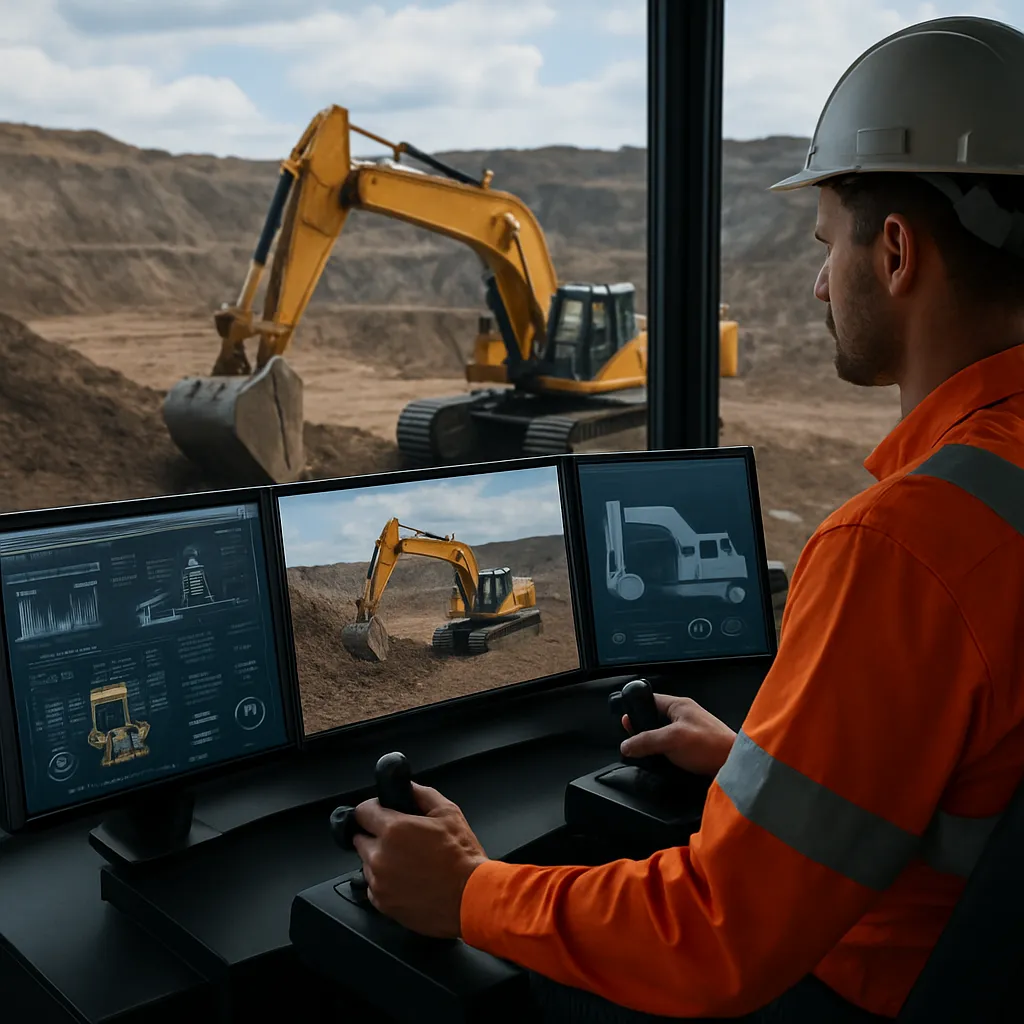
The mining sector has witnessed a transformative shift as modern technologies merge with heavy-duty machines to create a new era of subterranean exploration. Remote operation platforms have evolved beyond mere novelty into indispensable tools that boost efficiency, elevate safety standards, and redefine what it means to work underground. From surface control centers to unmanned loaders deep within the earth’s crust, these advanced systems are orchestrating tasks with a level of precision and consistency once thought impossible. This article delves into the mechanisms behind this revolution, the challenges that engineers must overcome, and the promising horizons that lie ahead for remote-operated mining equipment.
Evolution of Underground Machinery
Early mining relied on manual labor and rudimentary equipment. Over time, mechanization introduced steam engines, diesel haulers, and hydraulic drills that increased output but still demanded human presence in hazardous zones. Today, the push toward robotics and fully automated fleets marks a departure from this legacy. Remote-controlled dozers, electric haul trucks, and continuous miners can now navigate complex tunnels without a driver onboard. Each generation of machinery has brought incremental gains, but the current wave of innovations is driven by integrated communication networks, high-fidelity sensors, and sophisticated software algorithms. These advances create a cohesive ecosystem in which machines operate as coordinated units rather than isolated workhorses.
Integration of Remote Operation Systems
Control Centers and Interfaces
Central to remote operation is the development of ergonomic control centers where operators monitor and command fleets from a safe distance. Large video walls display live feeds from vehicle-mounted cameras, while joysticks and touchscreens translate human inputs into precise machine movements. Modern interfaces leverage augmented reality overlays to highlight critical data points—such as temperature, load weight, and proximity alerts—in real-time. This immersive environment allows a small team of technicians to oversee multiple machines simultaneously, dramatically increasing productivity and reducing fatigue associated with repetitive tasks.
Sensor Networks and Data Analytics
Equipping mining equipment with an array of sensors enables continuous monitoring of every operational parameter. Acoustic sensors detect rock fragmentation patterns, vibration sensors anticipate mechanical failures, and laser scanners map tunnel walls to guide autonomous navigation. A robust telemetry network transmits this torrent of data to on-site servers or cloud platforms, where advanced analytics and artificial intelligence algorithms sift through terabytes of information. Predictive maintenance schedules, dynamic route planning, and adaptive speed controls are just a few outcomes of this data-driven framework.
Enhancing Operational Safety and Productivity
Reducing human exposure to unstable ground, noxious gases, and moving machinery is at the heart of remote operation adoption. Underground accidents caused by rock bursts or equipment collisions can have catastrophic consequences. By relocating operators to surface control rooms, companies gain an additional layer of protection against these dangers. Moreover, continuous operation becomes feasible; shifts no longer depend strictly on human endurance, enabling machines to run for longer cycles with only brief intermissions for refueling or battery swaps. This around-the-clock capability translates into a substantial uplift in overall output without compromising sustainability goals or worker well-being.
- Automated collision avoidance systems detect obstacles and reroute vehicles instantly.
- Emergency intervention protocols allow remote shutdowns at the first sign of a hazard.
- Environmental sensors monitor air quality and ventilation efficacy to maintain regulatory compliance.
Additionally, the synergy between remote operation and traditional manned tasks fosters a human-machine partnership that leverages each party’s strengths. Operators focus on high-level decision-making while machines handle repetitive, labor-intensive activities with unwavering consistency. Over time, this collaboration yields lower operational costs and fosters a culture of continuous improvement.
Challenges and Solutions in Connectivity
Establishing reliable connectivity in subterranean environments presents unique hurdles. Thick rock formations and lengthy drifts can disrupt wireless signals, leading to latency spikes or even temporary blackouts. To counteract these effects, mining sites deploy a mix of leaky feeder cables, fiber-optic backbones, and Wi-Fi repeaters. Mesh network architectures ensure that if one node fails, data reroutes through alternate pathways, preserving control link integrity.
Another challenge involves secure data transmission. Cybersecurity measures such as end-to-end encryption, multi-factor authentication, and intrusion detection systems guard against unauthorized access that could compromise machine commands or leak proprietary operational data. Regular network audits and software updates are essential to thwart emerging threats and maintain uninterrupted remote control.
Future Trends in Autonomous Mining
Looking ahead, the trajectory of remote operation points toward increasingly autonomous fleets capable of self-organizing in response to shifting mine plans. Emerging dispatch systems will assign tasks dynamically based on live production targets, equipment health status, and real-time geological surveys. Deep-learning models might interpret seismic data to proactively adjust drilling patterns, while swarm robotics could oversee delicate tasks such as sample collection or targeted blasting.
The integration of renewable energy sources into remote operation platforms is another area of active research. Solar-charged battery banks, hydrogen fuel cells, and hybrid powertrains promise to reduce fossil fuel dependence and lower carbon footprints. As mining companies pursue net-zero emissions goals, remote-operated machines will be pivotal in balancing productivity demands with environmental stewardship.
Ultimately, the confluence of refined hardware, intelligent software, and robust network infrastructure is reshaping the mining landscape. Remote operation stands not as a futuristic concept but as a present-day reality delivering unmatched gains in telemetry precision, operational resilience, and workforce empowerment. The machines at work beneath our feet are evolving into adaptive partners in resource extraction, ushering in a new epoch of subterranean engineering excellence.