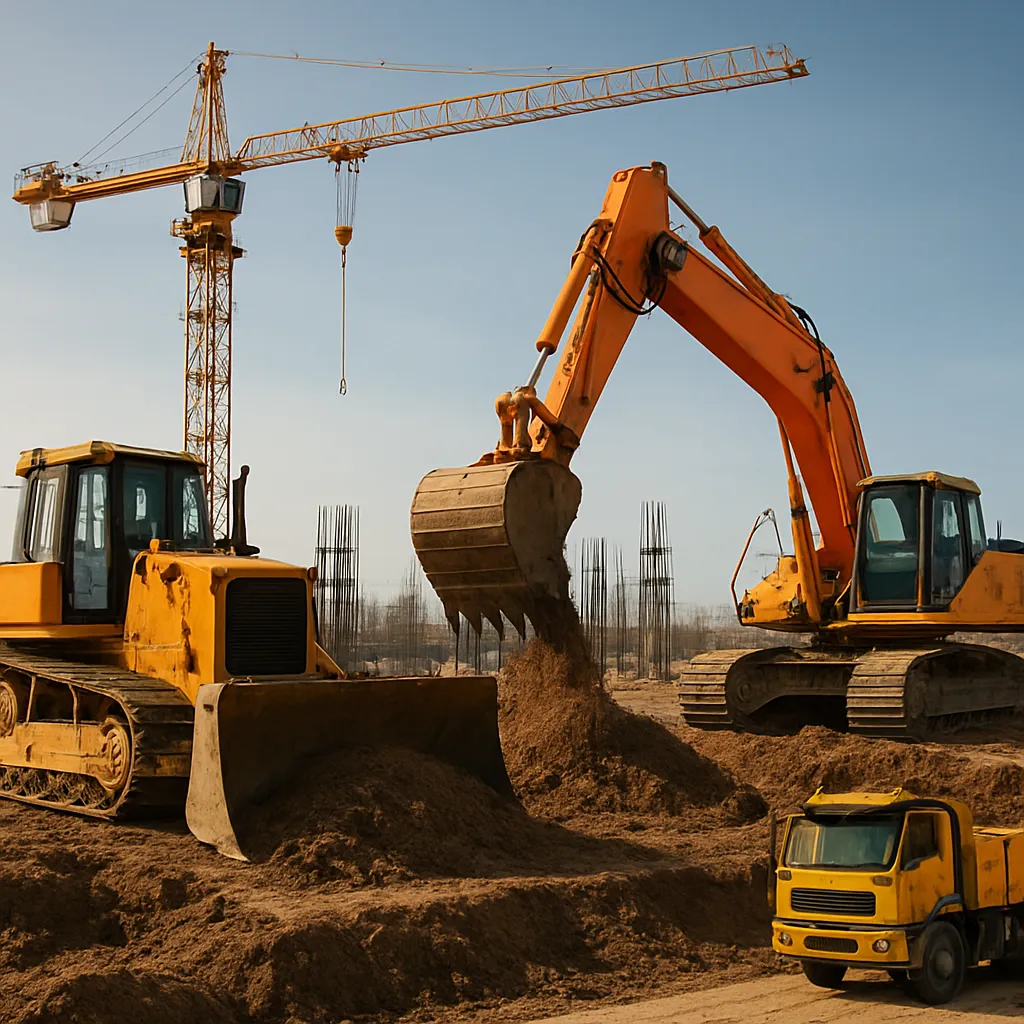
In the world of large-scale engineering feats, the seamless collaboration of heavy-duty equipment, robotic systems, and digital platforms defines the edge between triumph and delay. From towering cranes lifting modular sections to fleets of autonomous vehicles transporting materials, a network of machines must communicate with high precision and unwavering reliability. This article explores how sophisticated workflows, advanced control architectures, and emerging technologies merge to achieve flawless synchronization on mega projects.
Designing Effective Workflows
At the heart of every mega project lies a meticulously planned sequence of operations. Engineers begin by mapping out tasks, resource allocation, and risk factors in a unified digital model. By adopting a modular approach, project managers break down massive undertakings into manageable work packages. Each package is assigned to specialized equipment—such as tunneling machines, concrete pumps, or robotic welders—which then operate in concert according to the master schedule.
- Task sequencing based on precedence relationships.
- Resource leveling to ensure balanced equipment usage.
- Buffer analysis to guard against unforeseen delays.
Advanced scheduling software incorporates real-time data feeds from sensors embedded in machines. These feeds inform dynamic adjustments, ensuring that no single piece of equipment becomes a bottleneck. The result is a workflow that balances throughput with efficiency, minimizing idle time and maximizing output.
Key Considerations
When designing workflows, engineers focus on:
- Scalability: Ensuring that the system can handle volume spikes without degradation in performance.
- Redundancy: Providing backup equipment or alternative processes in case of failure.
- Traceability: Maintaining a clear audit trail of machine activities for quality control and compliance.
By addressing these considerations at the planning stage, project teams lay the groundwork for smooth, integrated operations on the construction site.
Synchronized Control Systems
Coordinating dozens or even hundreds of machines requires robust control architectures. These systems function as the project’s nervous system, relaying commands, receiving status updates, and orchestrating synchronized movements. A centralized automation platform often serves as the hub, interfacing with programmable logic controllers (PLCs), industrial PCs, and IoT gateways.
- Real-time command distribution across the equipment network.
- Data aggregation from distributed sensors for holistic insights.
- Prioritization algorithms that allocate bandwidth and processing power to mission-critical tasks.
To maintain fault tolerance, control systems integrate health monitoring modules that track machine performance metrics—such as temperature, vibration, and power consumption. Any anomaly triggers an alert, prompting preventive or corrective actions before cascading failures can occur.
Real-Time Monitoring
Continuous monitoring enables precise adjustments to machine operations. High-resolution sensors capture data on speed, load, and position, feeding it back to the control center. By applying advanced analytics and optimization routines, the system can fine-tune parameters to enhance productivity and extend equipment lifespan.
Adaptive Feedback Loops
Feedback loops form the backbone of responsive control. When a deviation from expected performance is detected—say, a robotic arm drifting off its intended path—the controller modifies control signals instantly. This resilience to disturbances ensures that multiple machines remain in equitable synchrony, even under variable conditions.
Integration of Diverse Machinery
On mega projects, equipment often originates from different manufacturers, each with proprietary interfaces and communication protocols. Achieving interoperability thus becomes a critical challenge. To address this, project teams implement middleware layers and adopt open communication standards such as OPC UA (Open Platform Communications Unified Architecture).
- Translation modules to convert between protocol dialects.
- Unified information models that harmonize data definitions across systems.
- Secure gateways that safeguard data integrity during cross-vendor exchanges.
By establishing these translation and security layers, diverse machinery can exchange status reports, request commands, and confirm task completion—all in a common digital language.
Modular Design Principles
Modular design allows teams to assemble or swap out machinery modules with minimal reconfiguration. Predefined mechanical interfaces, standardized electrical connectors, and template-based software configurations reduce integration complexity. This plug-and-play mindset accelerates deployment and enhances adaptability to changing project demands.
Interoperability Standards
Adherence to industry standards promotes long-term compatibility. In addition to OPC UA, many projects leverage:
- ISO 15926 for data integration in process industries.
- MQTT (Message Queuing Telemetry Transport) for lightweight messaging in IoT contexts.
- DDS (Data Distribution Service) for real-time data exchange in critical systems.
Overcoming Operational Challenges
Mega projects unfold in harsh environments—extreme weather, remote locations, and unpredictable geological conditions. Machines must operate under dust, moisture, and temperature extremes while remaining in perfect sync. To achieve this, engineers implement ruggedized hardware with sealed enclosures, vibration isolation mounts, and industrial-grade cooling systems.
- Corrosion-resistant materials for exposed mechanical components.
- Redundant communication channels (wired and wireless) to mitigate link failures.
- On-site diagnostic tools for rapid troubleshooting and repair.
Additionally, digital twins—virtual replicas of physical machinery—provide a sandbox environment for testing upgrades and new control algorithms before deployment. This proactive validation reduces the risk of unplanned downtime and ensures that synchronized operations remain intact.
Emerging Technologies Shaping Collaboration
Looking forward, the integration of artificial intelligence and machine learning stands to revolutionize machine collaboration. Predictive maintenance algorithms will analyze historical and real-time data to forecast component wear, scheduling service activities before failures occur. Swarm robotics, inspired by the collective behavior of insects, will enable fleets of smaller machines to self-organize around tasks—optimizing coverage and adapting to dynamic site layouts.
Moreover, advancements in 5G communication promise ultra-low latency links, allowing control centers to orchestrate equipment with near-instantaneous feedback. This capability will power complex maneuvers, such as synchronized lifts of multi-ton prefabricated modules, with confidence and agility.
Embracing the Next Generation of Mega Projects
As infrastructure projects grow in scale and complexity, mastering machine collaboration becomes indispensable. By blending robust workflow design, synchronized control systems, and open interoperability, engineers craft environments where equipment operates like a well-rehearsed orchestra. The path ahead brims with potential—where intelligent machines anticipate needs, optimize performance, and carry out grand visions with unprecedented harmony.