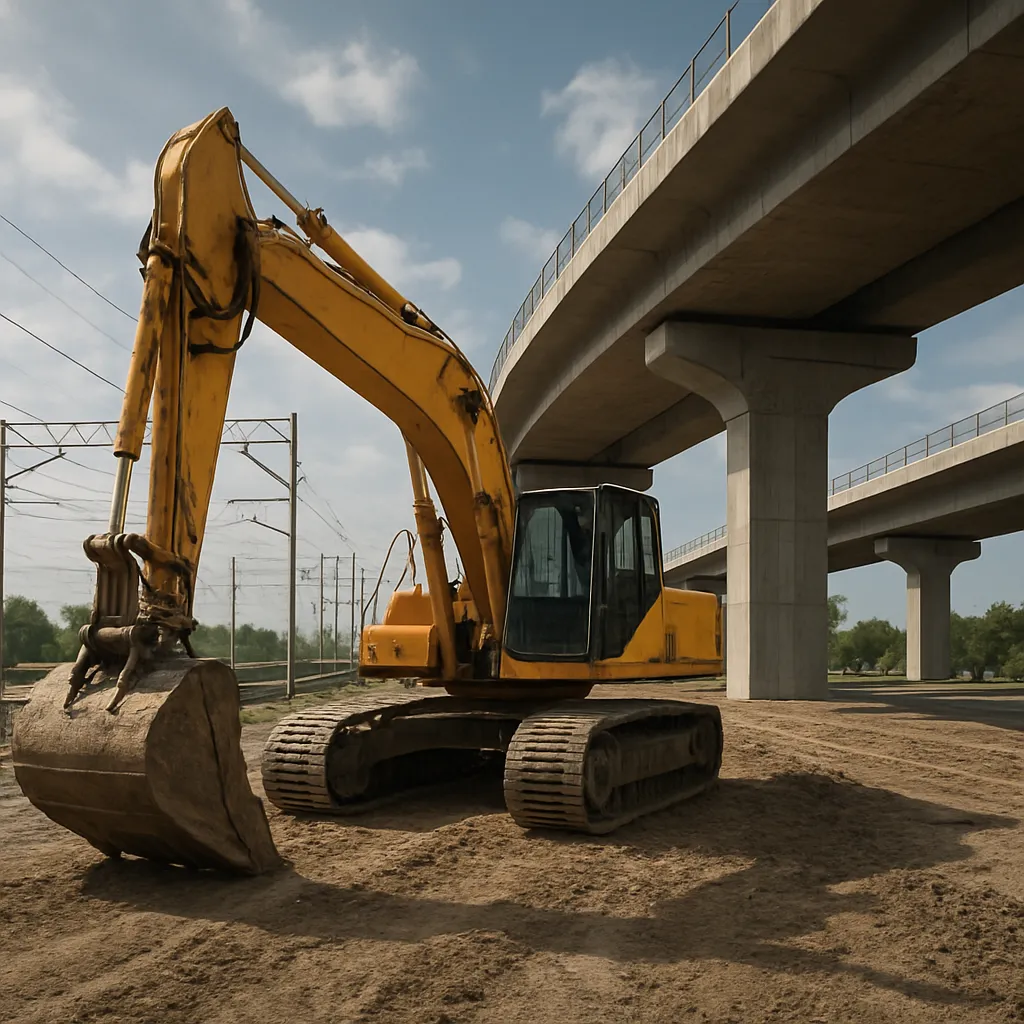
The article explores the profound impact of machinery on building the modern world. From the earliest steam engines to today’s cutting-edge robotics, every phase of technological advancement has reshaped how people design, construct, and maintain vital systems. Through a closer look at historical breakthroughs, groundbreaking devices, and emerging trends, this discussion reveals the role of machines in advancing productivity, safety, and efficiency across multiple sectors.
The Evolution of Industrial Machinery
The journey of industrial equipment began with simple tools and gradually led to the complex apparatus we rely on today. Early inventions such as the steam engine triggered the first wave of mechanisation, providing unprecedented power for mining, textiles, and transportation. These pioneering machines introduced the principle of harnessing external energy sources. Over time, the transition to internal combustion engines and electric motors marked a critical shift, enabling greater mobility and versatility.
Key milestones include:
- Steam Turbines: Revolutionised power generation in factories and power plants.
- Electric Motors: Enabled precision control in assembly lines and commercial machinery.
- Heavy-Duty Cranes: Transformed construction sites by lifting massive loads with ease.
- Excavators: Simplified earthmoving tasks, accelerating road and building projects.
These developments set new benchmarks for productivity. By automating repetitive tasks, industrial machinery reduced reliance on manual labour, lowered error rates, and ensured consistent output. Simultaneously, innovations in metallurgy and manufacturing processes created more durable components, enhancing machine longevity and reliability.
Transformative Technologies in Construction
The construction sector illustrates how specialised equipment can dramatically alter workflows. From land surveying to final finishes, machines play pivotal roles in every stage. Modern projects leverage advanced devices that integrate digital controls and data analytics. For instance, drones equipped with LiDAR sensors provide high-resolution topographic maps, enabling engineers to plan excavation and foundation work with unparalleled accuracy.
Important breakthroughs include:
- Concrete 3D Printers: Offer on-site fabrication of complex structures, reducing waste and speeding up delivery.
- Autonomous Bulldozers: Utilize GPS and AI to grade land precisely without continuous human oversight.
- Robotic Bricklayers: Assemble walls at rapid rates, maintaining uniformity and minimising labour injuries.
Adopting these innovations has led to shorter construction schedules and lower costs. Machines equipped with sensors can detect overloaded circuits, structural weaknesses, or environmental hazards, ensuring compliance with safety regulations. By automating high-risk tasks, the industry safeguards workers while boosting overall innovation and competitiveness.
Automation and Workforce Integration
While machinery enhances capabilities, it also raises questions about workforce dynamics. The shift toward automation demands new skill sets, with technicians, programmers, and maintenance crews playing crucial roles. In many facilities, human–machine collaboration is now the norm. Operators monitor automated lines, troubleshoot malfunctions, and optimise performance rather than performing manual labour.
This collaboration manifests in several ways:
- Human operators working alongside cobots (collaborative robots) to handle precision tasks.
- Data analysts interpreting real-time machine outputs to forecast maintenance needs and prevent downtime.
- Technicians programming and calibrating equipment to adapt to changing production requirements.
Training programs and apprenticeships have evolved to reflect these needs. Vocational schools offer courses in robotics, industrial electronics, and predictive maintenance. Companies invest in upskilling employees, recognising that a well-trained workforce is essential for maximising machine benefits. As a result, job roles become more specialised, focusing on system optimisation, process design, and safety management.
Sustainable Practices and Emerging Innovations
In recent years, the push for sustainability has influenced machine design and application. Energy-efficient motors, regenerative braking systems, and advanced filtration units contribute to lower environmental footprints. Construction machinery now often features hybrid powertrains or runs on renewable biofuels, reducing greenhouse gas emissions.
Emerging technologies to watch include:
- Smart Sensors: Continuously monitor vibration, temperature, and stress levels to anticipate failures and extend service life.
- AI-Driven Maintenance: Uses machine learning algorithms to schedule repairs and optimise resource allocation.
- Modular Robotics: Allows quick reconfiguration of production lines, enhancing flexibility for small-batch or custom manufacturing.
- Augmented Reality (AR) Support: Guides technicians through complex installation and repair tasks with visual overlays.
These advances not only improve operational efficiency but also support global efforts to curb pollution and conserve resources. Machines that self-diagnose and self-correct reduce waste from unnecessary part replacements and unplanned shutdowns. Meanwhile, digital twins—virtual replicas of physical systems—allow engineers to simulate scenarios, test upgrades, and validate designs without risking real-world interruptions.
Building Resilient Infrastructure with Intelligent Machinery
As urbanisation continues and climate challenges intensify, the demand for resilient infrastructure grows. Machines equipped with predictive analytics and remote connectivity empower cities to withstand natural disasters. For example, smart pumps in water treatment facilities automatically adjust to flood conditions, while advanced drilling rigs reinforce levees and seawalls with precision.
Key attributes of the next generation of machinery include:
- Connectivity: Integration with the Internet of Things (IoT) for seamless data exchange.
- Scalability: Modular components that adapt to projects of varying sizes and complexities.
- Durability: Materials engineered to resist corrosion, wear, and extreme temperatures.
Incorporating these features into public works, transportation networks, and energy grids ensures that infrastructure remains operational under stress. Intelligent machines help forecast demand, allocate resources, and maintain critical services—ultimately supporting safer, more reliable communities.