Natural disasters demand rapid, precise, and resilient solutions to safeguard lives and infrastructure. Machines equipped with advanced technologies have emerged as critical assets in disaster zones, performing tasks that would be impossible or too risky for humans alone. This article explores how various types of machinery operate during natural disasters, examining their roles, underlying innovations, deployment strategies, challenges, and future prospects.
The Role of Machines in Disaster Response
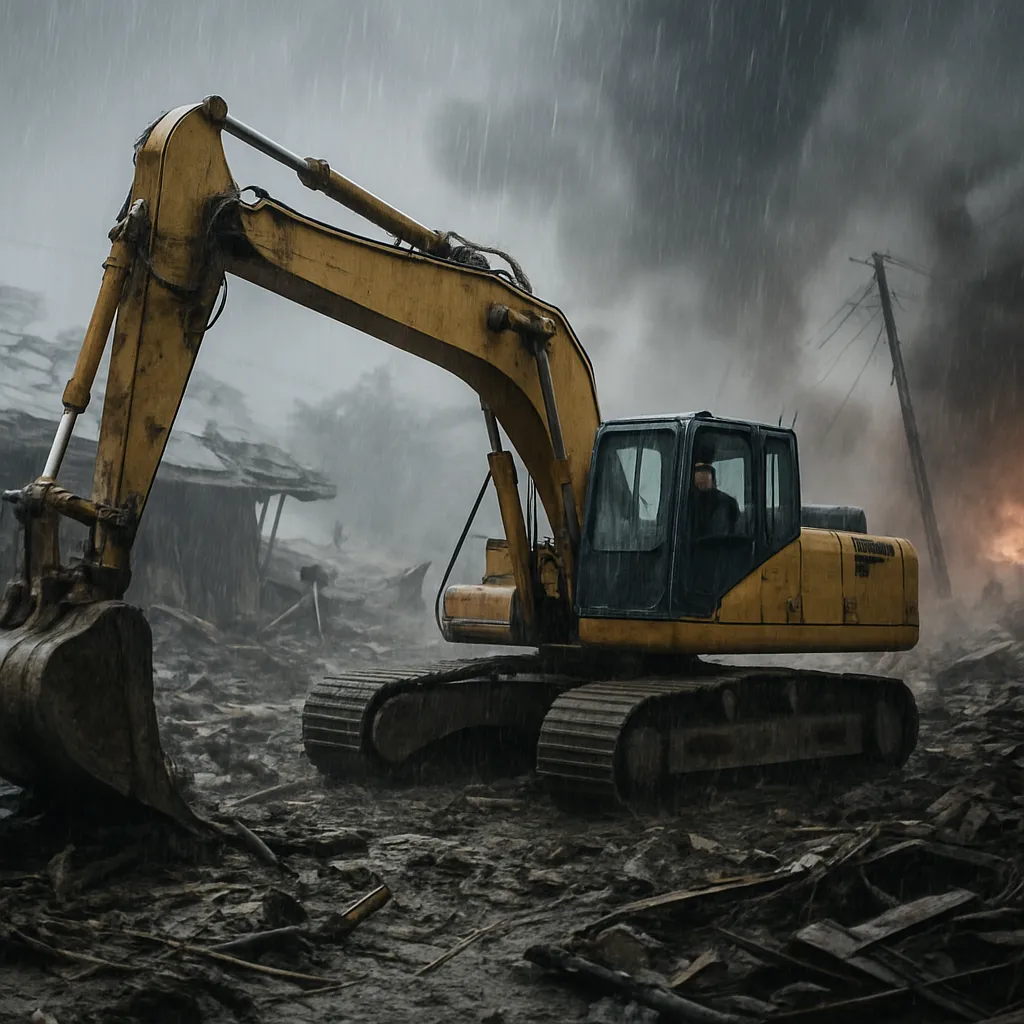
When a hurricane strikes or an earthquake rattles a region, the immediate aftermath often includes blocked roads, collapsed buildings, flooded streets, and power outages. In these scenarios, machines step in to perform tasks under extreme conditions. Excavators and robotic arm systems clear debris, while drones conduct aerial surveys to identify hotspots. Remote-operated vehicles enter unstable structures to search for survivors, providing real-time video feeds to rescue teams. By handling hazardous duties, these machines reduce risks for first responders and accelerate relief efforts.
Reconnaissance and Assessment
Drones equipped with high-resolution cameras and thermal sensors can quickly map vast areas. They transmit data to command centers, where AI algorithms analyze imagery to detect trapped individuals or structural weaknesses. This automation of reconnaissance not only speeds up decision-making but also prioritizes critical zones for human teams.
Debris Removal and Infrastructure Restoration
Heavy machinery such as bulldozers, cranes, and specialized excavators play a pivotal role in clearing roads and stabilizing damaged buildings. Modern equipment features telemetry systems that provide operators with precise control even in low-visibility conditions. Some vehicles integrate augmented reality overlays, highlighting safe lift points and identifying buried utilities to prevent secondary damages.
Key Technologies Powering Disaster-Ready Machines
Advancements in several fields have enhanced the capabilities of disaster-response machinery. Robotics, artificial intelligence, and communication networks converge to create integrated solutions that can adapt to changing environments.
- Sensors and IoT Devices: Embedded sensors measure temperature, humidity, structural integrity, and gas levels, feeding continuous data to monitoring systems.
- Autonomous Navigation: GPS, LiDAR, and computer vision algorithms enable ground and aerial robots to navigate rugged terrain and avoid obstacles without human intervention.
- Energy Storage: High-density batteries and portable solar panels power remote devices for extended operations when grid access is lost.
- Edge Computing: Processing data locally on devices reduces latency, critical for real-time decisions in life-or-death scenarios.
- Communication Networks: Mesh networks and satellite uplinks maintain links between machines, operators, and command centers when cell towers are down.
Precision with AI and Machine Learning
Machine learning models trained on historical disaster data help predict structural failures and movement of floodwaters. These predictions guide robotic teams to focus on high-risk zones. Furthermore, AI-driven image recognition accelerates the detection of survivors, distinguishing humans from rubble or debris.
Deployment Strategies and Human-Machine Collaboration
Effective disaster response relies on coordinated efforts between human teams and machines. Deployment strategies vary based on the disaster type, terrain, and available resources.
Pre-Disaster Staging
Preparation involves pre-positioning equipment at strategic locations. Stored machines can be rapidly airlifted to crisis regions using cargo aircraft or helicopters. Mobile maintenance units ensure machinery remains in peak condition, with predictive maintenance alerts sent when parts show signs of wear.
On-Site Command and Control
Field operation centers integrate data from multiple machines into unified dashboards. Operators use intuitive interfaces to coordinate drone flight paths, monitor excavator progress, and control unmanned ground vehicles. These centers often employ virtual reality headsets to immerse operators in machine environments, enhancing precision.
Training and Skill Development
Regular drills and simulation exercises teach responders how to work alongside automated systems. Virtual training platforms allow personnel to pilot robots and drones in digital replicas of disaster zones, improving readiness and reducing response times.
Challenges and Limitations in Harsh Environments
Despite significant advancements, machines face numerous obstacles when operating under disaster conditions. Understanding these challenges is vital for improving future deployments.
- Environmental Extremes: High winds, torrential rain, and extreme temperatures can damage sensitive electronics and impair sensors.
- Terrain Complexity: Rubble-strewn landscapes and flooded areas can trap wheels or propellers, limiting access to critical zones.
- Power Constraints: Prolonged operations drain batteries, and recharging may be impossible without reliable energy sources.
- Communication Disruptions: Electromagnetic disturbances or physical obstructions can sever links between machines and controllers.
- Ethical and Legal Considerations: Deploying autonomous systems raises questions about accountability if a machine malfunctions and causes harm.
Maintenance and Resilience
Building robust machines requires ruggedizing components with shock absorbers, waterproof casings, and redundant circuits. Self-diagnostic software alerts operators to potential failures before they occur, allowing for swift replacements.
Regulatory Hurdles
Government regulations may restrict the use of drones over populated areas or require special permits for robotic search operations. Harmonizing policies across jurisdictions remains a significant challenge.
Future Directions for Disaster-Response Machinery
Emerging trends promise to further enhance the effectiveness of machines during natural disasters, driving continual improvements in safety and efficiency.
Swarm Robotics
Teams of small, coordinated robots can cover large areas quickly. By sharing data in real time, swarms adapt to obstacles and divide tasks dynamically, providing scalable solutions for widespread destruction.
Bio-Inspired Designs
Engineers draw inspiration from animals to build machines capable of climbing debris piles, swimming through floodwaters, or squeezing into tight spaces. Soft robotics, using flexible materials, reduces the risk of further damaging fragile structures.
Enhanced Human-Machine Interfaces
Gesture controls, haptic feedback, and brain-computer interfaces could allow responders to guide machines more intuitively. Such innovations would speed up operations and reduce the cognitive load on operators.
Integrating Renewable Energy
Deploying portable wind turbines and solar arrays ensures that critical machinery remains operational even when traditional power sources fail. Advances in microgrid technology enable isolated energy networks to sustain entire disaster camps.
Global Collaboration Frameworks
International coalitions are forming to share best practices, pool resources, and create interoperable standards for disaster robotics. This cooperation ensures that machines can be rapidly deployed anywhere in the world, regardless of local infrastructure differences.