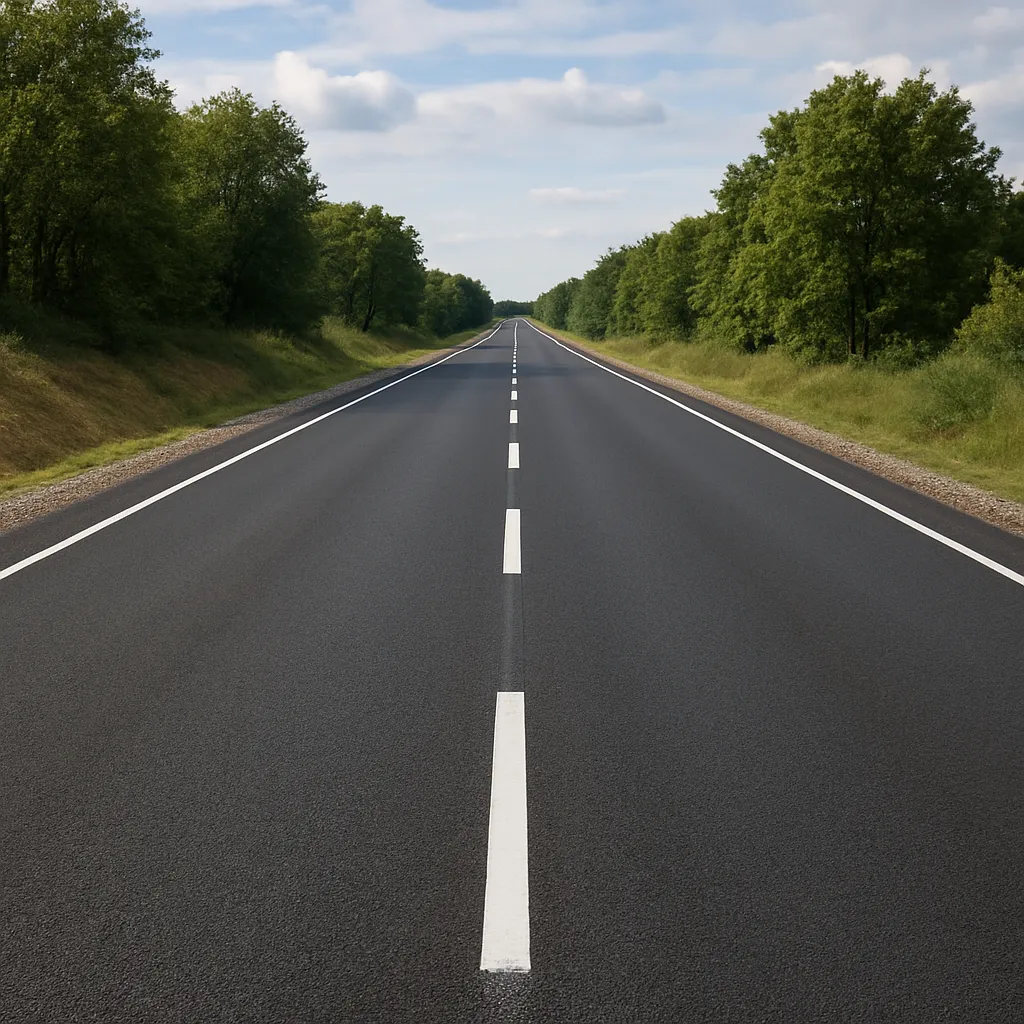
Airport runways form the backbone of aviation infrastructure, demanding meticulous design, robust materials, and advanced machinery. From initial site preparation to routine upkeep, a fleet of specialized vehicles and tools collaborate to deliver smooth, safe surfaces capable of withstanding constant traffic and extreme weather. This article explores how various machines work together at each stage to build and maintain runways that meet the highest standards of safety and performance.
Surveying and Ground Preparation
Before any paving occurs, engineers and operators work in tandem to transform raw terrain into a stable foundation. State-of-the-art surveying equipment pinpoints elevations, contours, and hidden obstacles with exceptional precision. Key tasks include:
- Topographic mapping using GPS-guided total stations
- Identifying soil composition and moisture levels
- Removing or relocating unsuitable material
Earthmoving with Heavy Machinery
Earthmoving begins with heavy-duty dozers and excavators that clear brush, level hills, and carve out subgrades. Bulldozers equipped with GPS allow operators to sculpt large volumes of earth while adhering to stringent design tolerances. Excavators handle deep cuts and trenches, placing unwanted soil into dump trucks. Compact track loaders and skid steers then refine slopes and transfer small loads of fill.
Soil Stabilization and Compaction
To ensure the runway endures years of use, ground layers must achieve optimal density. Compactors and rollers ride over the prepared subgrade in multiple passes. Machines range from smooth drum rollers to pneumatic-tired rollers, each offering unique benefits in consolidating different soil types. In some cases, lime or cement spreaders mix binding agents directly into the soil for enhanced durability. A key underlined task is soil compaction, where each roller pass eliminates air pockets that could lead to later settlement.
Paving and Surface Construction
Paving transforms the stabilized base into a smooth, load-bearing surface capable of supporting thousands of takeoffs and landings per day. Machinery deployed at this stage includes slipform pavers, asphalt pavers, and concrete mixers that operate in tightly choreographed sequences.
Asphalt Paving Operations
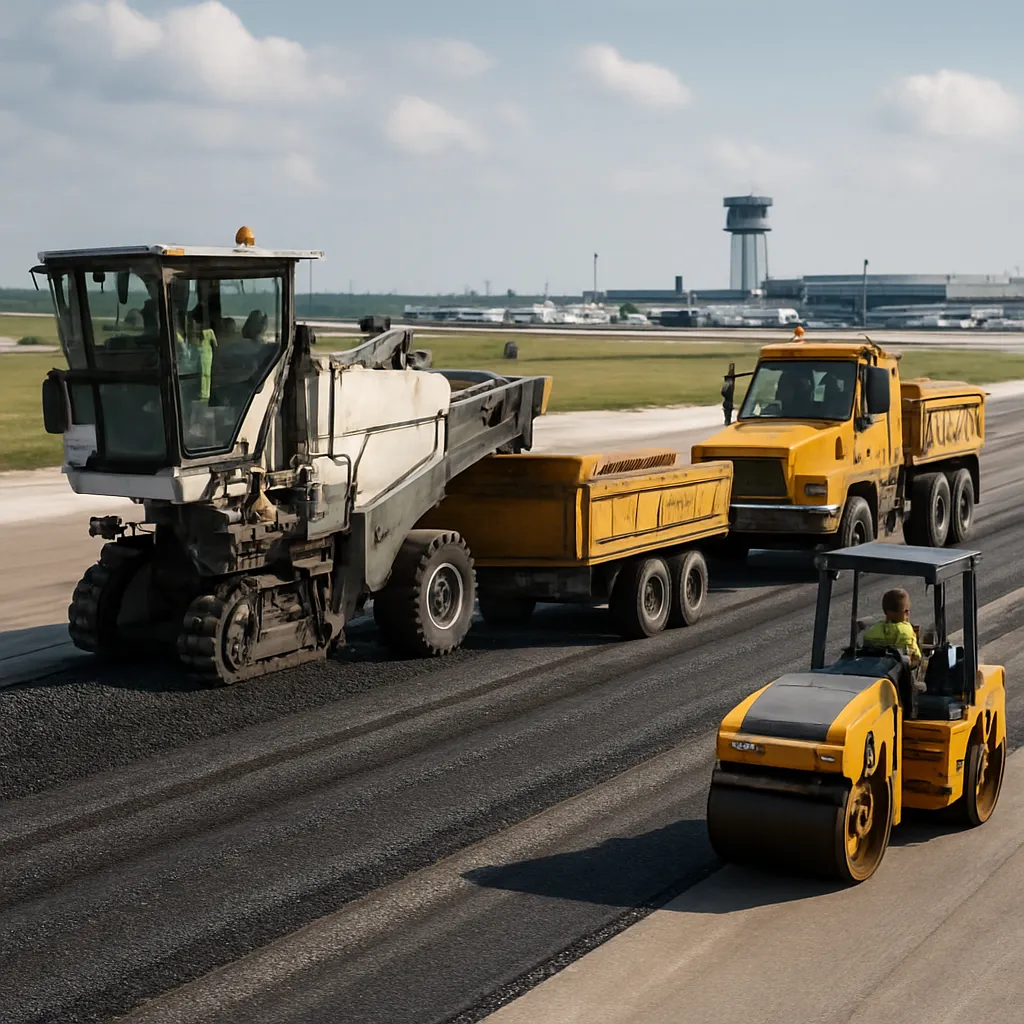
Asphalt runways rely on temperature-controlled materials and machines designed for continuous operation. Bitumen trucks deliver hot mix asphalt to the site, where motor graders pre-level the surface. The asphalt paver spreads and partially compacts the mix, guided by laser-leveling systems to maintain uniform thickness. Tandem rollers then finalize compaction, achieving the required density and smoothness for optimal tire traction and water drainage.
Concrete Paving Techniques
Portland cement concrete runways benefit from unmatched reliability and rigidity. Concrete mixers and pumps transport fresh concrete to slipform pavers, which extrude and finish the slab in one pass. High-capacity finishing trowels and power brooms refine the texture to prevent hydroplaning. Once cured, diamond grinding machines may refine the surface to precise smoothness and groove it to boost friction under wet conditions. This method excels in airports experiencing heavy aircraft loads.
Ongoing Maintenance and Repairs
Even the most robust runway requires continuous attention to remain safe and fully operational. Maintenance crews deploy a variety of specialized vehicles and attachments to address wear, cracks, and surface imperfections.
Pavement Milling and Recycling
Scheduled rehabilitation often begins with cold milling machines that remove the top layer of asphalt or concrete. This process salvages valuable materials for recycling and exposes underlying damage. Material transfer vehicles haul milled debris to onsite storage or crushing plants. Recycled aggregates then feed into new asphalt mixes, promoting sustainability and resource efficiency.
Crack Sealing and Joint Repair
Minor cracks can allow water infiltration, leading to potholes and subgrade failure. Crack sealing trucks heat sealant and pump it into fissures, creating a waterproof barrier. For concrete joints, hydraulic saws cut out damaged sections, and crew members inject epoxy or polyurethane fillers to restore seamless performance.
Grooving, Diamond Grinding, and Surface Treatments
Maintaining skid resistance is critical for takeoff and landing safety. Grooving machines slice narrow grooves into asphalt or concrete surfaces, channeling water away from tires. Diamond grinding units smooth and texture the runway, correcting ride quality and edging out rough patches. Surface treatments like micro-surfacing and slurry seals extend pavement life by sealing micro-cracks and inhibiting oxidation.
Innovations and Future Trends
Advancements in automation and remote operation are reshaping runway construction and maintenance. Autonomous earthmoving vehicles equipped with obstacle detection can operate overnight, reducing manpower and project timelines. Drones conduct aerial inspections, capturing high-resolution imagery to spot deterioration earlier than traditional patrols.
Smart Materials and Sensors
Integrating embedded sensors within pavement layers enables real-time monitoring of stress, temperature, and moisture. These “smart” runways alert maintenance teams to developing issues before they escalate. Researchers are experimenting with self-healing asphalt containing capsules of rejuvenating oil, improving long-term efficiency and reducing repair frequency.
Electric and Hybrid Equipment
In alignment with global decarbonization goals, more machines feature electric or hybrid powertrains. Electric rollers and pavers operate with reduced emissions and lower noise levels, benefiting personnel and nearby communities. Battery advancements allow heavy machinery to deliver sustained performance while cutting operational costs and environmental impact.
- Reduced fuel consumption through hybrid systems
- Lower maintenance requirements for electric drivetrains
- Enhanced operator comfort with quieter cabins
The future of runway work hinges on combining human expertise with cutting-edge technology. By leveraging innovation and data-driven workflows, airport authorities can deliver runways that meet growing traffic demands while upholding the highest standards of reliability and safety. Through a mix of robust machinery and forward-thinking materials, the next generation of runway projects promises unparalleled performance and sustainability.