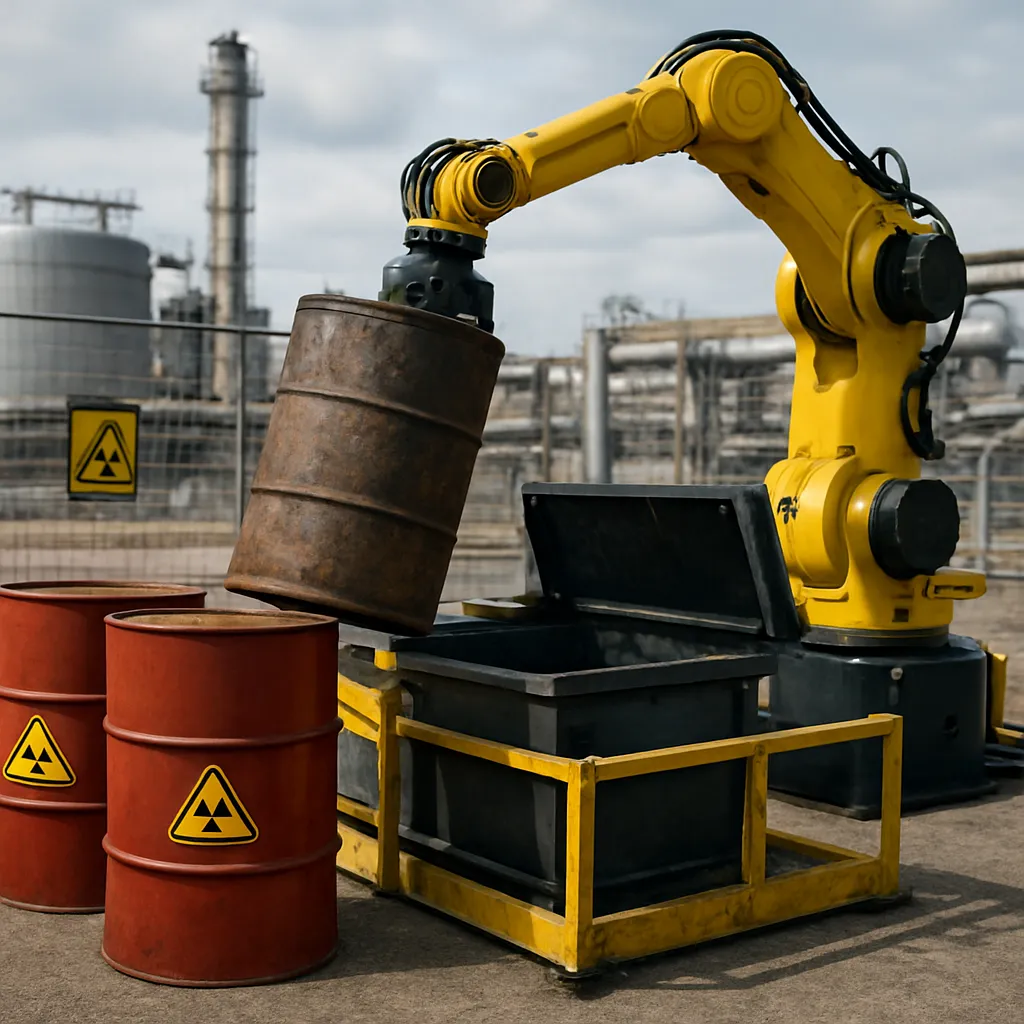
The handling of hazardous materials demands an intricate blend of precision engineering, stringent protocols, and continuous innovation. This article explores the multifaceted world of machines designed to manage toxic substances, examining both established practices and cutting-edge advancements. From heavy-duty excavators retrofitted with specialized containment systems to intelligent robotic arms capable of minute chemical processing, each machine plays a vital role in safeguarding human health and protecting the environment.
Understanding the Challenges of Hazardous Waste
Hazardous waste spans a broad spectrum of materials, including corrosive acids, flammable solvents, and radioactive byproducts. Proper management requires more than simple collection—it demands meticulous separation, secure transport, and controlled disposal. Key obstacles include:
- Complex chemical reactivity that can lead to unexpected exothermic reactions or toxic off-gassing.
- Strict regulatory frameworks that vary by region, imposing heavy fines for non-compliance.
- Long-term storage challenges, as many substances remain dangerous for decades or even centuries.
Addressing these challenges relies on a combination of robust mechanical design and advanced sensing technologies. Machines tasked with handling waste must operate under extreme conditions—high pressures, corrosive atmospheres, and potent radiation fields. Ensuring the reliability of seals, filters, and containment units is paramount to preventing leaks or accidental releases.
Core Machinery and Automated Systems
Modern waste-handling facilities integrate a variety of specialized machines, each tailored to specific stages of the process:
- Robotic sorting arms that use computer vision to identify and separate hazardous items from general refuse.
- Centrifugal separators designed to isolate heavy metals or organic contaminants from wastewater streams.
- High-strength excavators fitted with acid-resistant buckets and remote-control capabilities for contaminated soil removal.
Automated conveyors and shredders further reduce human exposure by mechanically reducing waste volume before treatment. These systems employ sensors to detect leaks and automatically adjust processing parameters—slowing down feed rates when a dangerous threshold is approached or activating additional filtration stages when particulate counts rise.
Many of these machines leverage automation platforms that integrate programmable logic controllers (PLCs) and distributed control systems (DCS). Operators monitor performance via centralized control rooms, where real-time dashboards display crucial metrics such as temperature, pressure, and chemical concentration. This level of oversight ensures that deviations from safe operating conditions trigger immediate shutdowns or rerouting of waste streams.
Safety Protocols and Monitoring Technologies
Ensuring safety begins long before any solvent enters a container. Detailed risk assessments inform the design of containment zones, ventilation systems, and emergency response plans. Within facilities, machines are outfitted with multiple layers of protective systems:
- Redundant sensors for detecting leaks of volatile organic compounds (VOCs), corrosive gases, and radioactive particles.
- Automatic pressure-relief valves and neutralization injectors that activate when harmful concentrations are detected.
- Isolated control networks to prevent cyber intrusions that could compromise safety-critical functions.
Visual and auditory alarms integrated into machine control panels provide on-the-spot warnings to maintenance personnel, while remote monitoring ensures that off-site engineers can oversee operations 24/7. Drones equipped with thermal cameras and spectroscopic analyzers further enhance oversight, inspecting pipelines and storage vessels without exposing workers to harm.
Periodic maintenance and calibration of sensors are crucial. Ultrasonic thickness gauges measure the erosion of filter housings, while reverberation tests assess the integrity of concrete containment berms. Comprehensive digital records of these inspections feed into predictive maintenance algorithms, which forecast potential failures days or weeks in advance.
Emerging Innovations in Waste Handling
Research in hazardous waste management continues to push the envelope of what machines can achieve. Notable developments include:
- Self-healing materials for pipes and storage tanks, embedded with microcapsules that release sealant upon detecting cracks.
- AI-driven process optimization platforms that continuously learn from operational data, improving throughput while reducing risk.
- Biohybrid robots that combine living cells with mechanical components to break down certain organic toxins on-site.
One promising approach involves modular processing units that can be rapidly assembled on-site, minimizing transport of dangerous substances. These units feature plug-and-play modules for tons of tasks—neutralization, distillation, and filtration—allowing customization based on the precise chemical profile of the waste. Advanced containment modules use magnetic fields to stabilize fine particulates, preventing dust explosions and airborne contamination.
Another frontier is the integration of blockchain for traceability. Each drum or container of waste receives a unique digital ID that logs every movement, treatment step, and disposal record. This immutable ledger not only satisfies regulatory auditors but also deters illicit dumping by ensuring complete visibility of the entire waste lifecycle.
As emerging technologies mature, the synergy between mechanical design, automation, and data analytics will continue to enhance both the safety and efficiency of hazardous waste management. The next generation of machines promises not only reduced human risk but also a smaller environmental footprint, aligning industrial practices with global sustainability goals.