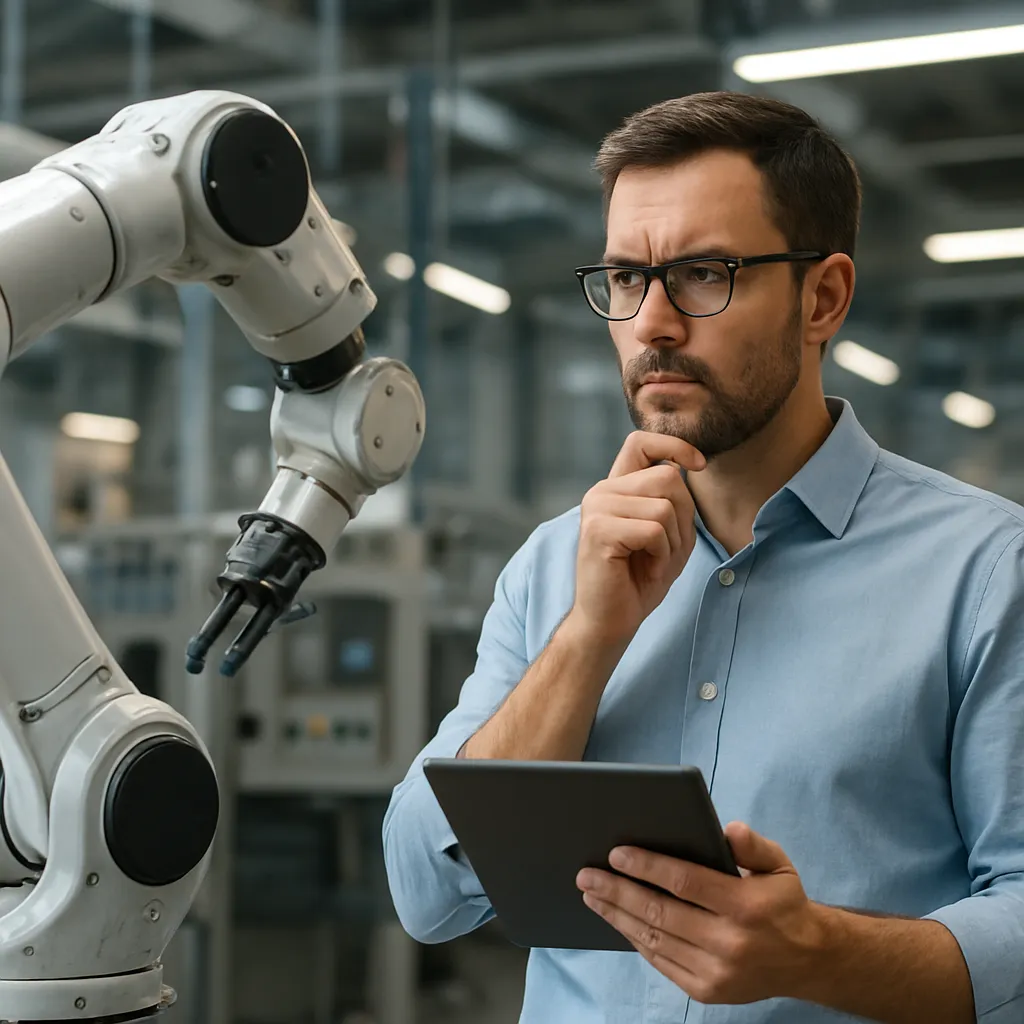
The advent of advanced machinery in professional environments has sparked debates about the future role of human workers. Far from rendering people obsolete, **innovative** technology often amplifies the value of human contributions. By examining the interplay between automated systems and skilled professionals, we uncover why machines will always require human **expertise**, and how this symbiosis fuels progress across industries.
The Rise of Industrial Automation
Historical Context and Early Innovations
The Industrial Revolution laid the groundwork for mechanization, introducing steam engines, power looms, and automated assembly lines. These breakthroughs boosted **efficiency**, enabling mass production and lowering costs. Yet even early machines depended on trained operators to maintain equipment, adjust settings, and troubleshoot malfunctions. In the textile mills of nineteenth-century England, for example, skilled workers calibrated looms to ensure consistent fabric quality. Their technical **insight** prevented costly defects and kept operations running smoothly.
Technological Milestones and Modern Production
Fast-forward to the twenty-first century, and we encounter robotics, computer numerical control (CNC) systems, and sophisticated sensors. These devices excel at repetitive tasks, such as welding automotive frames or packaging consumer goods. They deliver **precision** beyond human capability and operate continuously without fatigue. Nevertheless, engineers and technicians remain indispensable for programming intricate instructions, fine-tuning performance parameters, and interpreting sensor data. Their domain **knowledge** ensures machines adapt to new product designs and evolving market demands.
The Indispensable Human Factor
Creativity and Adaptability
While machines follow pre-programmed routines, humans bring **creativity** to problem-solving. In dynamic environments, unexpected challenges arise—raw materials vary in composition, supply chain disruptions occur, and product specifications change. In such scenarios, human operators apply critical thinking to modify workflows and devise workarounds. Their ability to pivot strategies on the fly prevents costly downtime and maintains consistent output quality.
Emotional Intelligence and Leadership
Automation lacks emotional awareness. It cannot interpret team morale, resolve interpersonal conflicts, or motivate colleagues. Here, human leadership becomes crucial. Managers and supervisors foster a collaborative culture, guiding cross-functional teams through transitions to new technologies. By leveraging **trust** and effective communication, they ensure smooth integration of machines into daily operations, minimizing resistance and maximizing production gains.
Collaborative Intelligence in the Workplace
Human–Machine Interfaces and Co-Bots
Collaborative robots, or co-bots, are designed to work side by side with humans. They handle heavy lifting, precision assembly, and hazardous tasks, while human workers oversee operations, validate results, and intervene if anomalies occur. Co-bots rely on sensors to detect human presence and adjust movements accordingly, but they cannot replace the human capacity for pattern recognition or context-based judgment.
Enhancing Productivity Through Teamwork
- Task Allocation: Humans identify strategic tasks that require intuition and assign routine tasks to machines, optimizing resource utilization.
- Quality Control: Operators perform spot checks and calibrate equipment, ensuring **accuracy** and compliance with industry standards.
- Continuous Improvement: Cross-disciplinary teams review performance metrics, proposing process enhancements that machines alone cannot generate.
- Training and Mentorship: Seasoned workers teach newcomers how to interpret data outputs and maintain equipment, preserving institutional **knowledge**.
Future Outlook: Harmonizing Machines and Human Expertise
Emerging Technologies and New Skill Sets
Artificial intelligence (AI), machine learning, and the Internet of Things (IoT) are reshaping industrial landscapes. Smart factories leverage data streams to optimize energy usage, predict maintenance needs, and streamline logistics. Yet the sheer volume of information demands human analysts to extract meaningful patterns. Data scientists and domain experts collaborate to translate raw metrics into actionable insights, fostering a cycle of continuous **innovation**.
Reskilling and Lifelong Learning
As automation advances, workforces must evolve. Upskilling programs equip employees with proficiency in programming languages, analytics tools, and robotics operation. By nurturing adaptability, organizations empower staff to assume higher-value roles—designing new workflows, managing automation projects, and envisioning next-generation processes. This emphasis on **adaptability** nurtures a culture where employees thrive alongside machines rather than compete against them.
A Vision for Sustainable Collaboration
Ultimately, the synergy between machines and humans drives both **efficiency** and strategic growth. Organizations that invest in robust training, foster inclusive leadership, and integrate human judgment into automated systems seize a competitive edge. As technology evolves, the role of human workers will not diminish—it will transform, centering on creativity, critical thinking, and ethical oversight. In this symbiosis, machines bolster productivity while humans guide innovation, ensuring a resilient and prosperous future for industries worldwide.