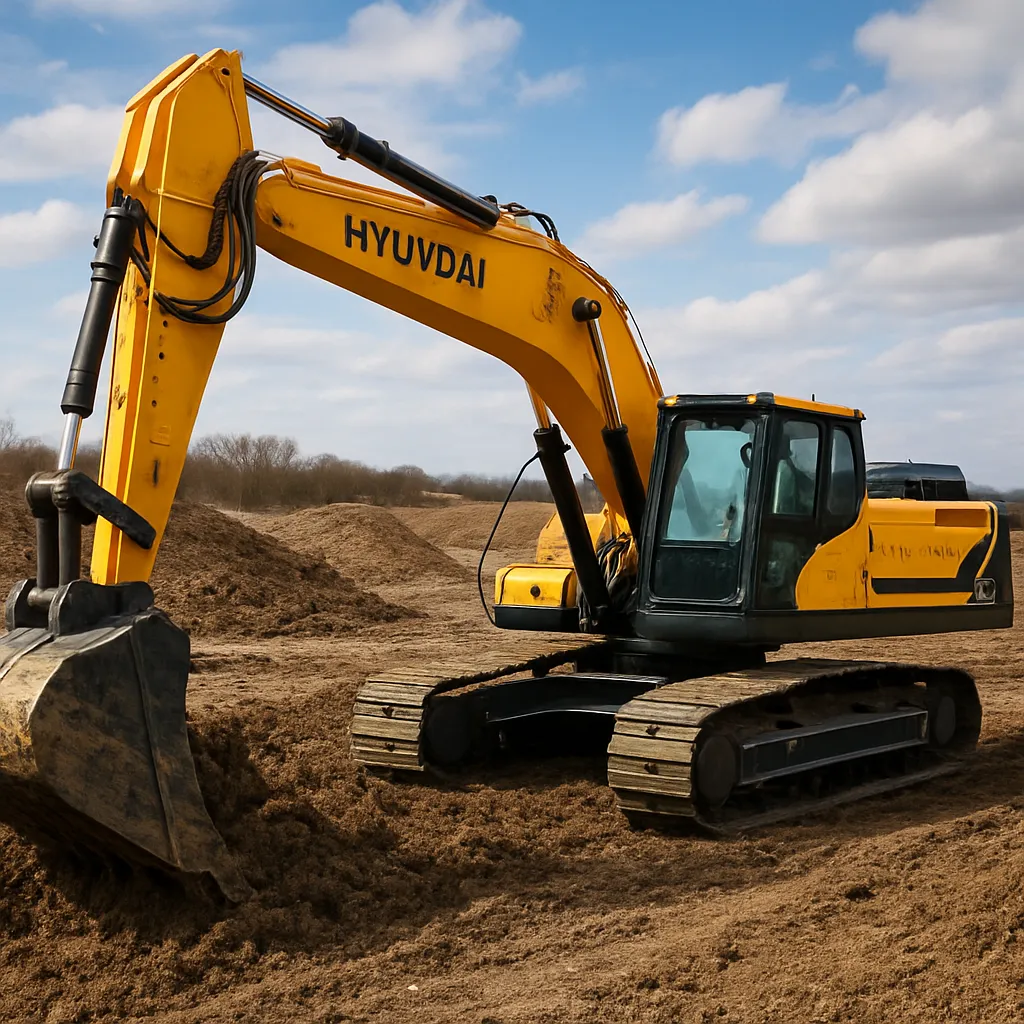
The Hyundai HX360L is a heavy-duty hydraulic excavator designed for demanding construction, quarrying and earthmoving tasks. Combining robust mechanical architecture with modern electronics and hydraulic systems, the HX360L aims to deliver a balance of power, efficiency and durability for operators and fleet managers. In the following sections we will explore its principal features, typical applications, operational behaviour, maintenance considerations and how it fits into contemporary trends in construction equipment.
Design and core features
The HX360L is part of Hyundai’s HX series, a range engineered to emphasise improved hydraulic efficiency and lower fuel consumption compared with previous generations. The machine typically sits in the 35–40 tonne class, making it suitable for medium-to-large scale earthmoving and heavy civil works.
Engine and hydraulic system
- Engine: The HX360L is usually equipped with a turbocharged diesel engine meeting contemporary emissions standards (Tier 4 Final / Stage V in many markets, though exact compliance depends on region and configuration). Engines in this class commonly deliver net power in the range of approximately 180–220 kW (240–295 hp), tuned for torque and fuel efficiency under load.
- Hydraulics: A key selling point of the HX series is its advanced hydraulic system, often featuring variable-displacement pumps and electronically controlled valves. This arrangement allows for simultaneous multi-functioning (e.g., swinging while digging) with smooth responsiveness, while optimising fuel consumption through load-sensing control.
- Attachment controls: Proportional and auxiliary hydraulic lines enable a wide variety of attachments — breakers, grapples, shears and tiltrotators — increasing the machine’s versatility across applications.
Undercarriage, boom and arms
The HX360L is built on a sturdy undercarriage designed for stability during heavy lifts and prolonged operation. Options for long (L) undercarriage variants improve lifting capacity at height and reduce machine tilt on slopes. Boom and stick (arm) configurations are available in multiple lengths to favour either reach and digging depth or crowd/power for lifting and trenching.
Cab and operator experience
- Ergonomically arranged controls, air suspension seats and clear sightlines are standard features intended to reduce operator fatigue and increase productivity.
- Modern HX cabins typically include multi-function joysticks, optional heated/ventilated seats, and user-selectable operating modes (e.g., Economy, Power, Smart) to match performance with fuel use.
- Onboard telematics options allow fleet managers to track machine hours, fuel consumption, maintenance intervals and location remotely.
Applications and industries
The HX360L is suitable for a broad spectrum of heavy applications where robustness and consistent cycle times matter. Typical use cases include:
- General construction: Foundation excavation, site clearance, trenching and material handling on mid-to-large construction sites.
- Road and infrastructure: Drainage works, embankment shaping, culvert installation and preparation of road subgrade layers.
- Quarrying and aggregates: Loading dump trucks, secondary digging, bench maintenance and material sorting when fitted with the appropriate bucket or hydraulic attachments.
- Demolition: With dedicated demolition booms and hydraulic breakers or shears, the HX360L can handle structural demolition in medium-rise buildings and reinforced concrete removal.
- Utility and pipeline: Trenching for pipes and cables where deep and stable digging capabilities are necessary.
- Landscaping and reclamation: Large-scale earthmoving, contouring, and remediation projects.
Performance, capacities and operational data
Exact specifications of the HX360L depend on regional configurations and optional packages, but some representative figures and performance characteristics are helpful for fleet planning. The numbers below are approximate and provided to give a realistic expectation rather than exact factory data.
- Operating weight: Typically in the range of 34,000–38,000 kg depending on undercarriage, counterweight and attachments.
- Engine power: Approximately 180–220 kW (240–295 hp), with torque characteristics tuned to hydraulic system demands.
- Bucket capacity: Common bucket sizes for this class range from about 1.2 to 2.5 m³, depending on material density and application.
- Digging depth: With standard booms, maximum digging depths are often around 7.5–8.5 metres; long-reach configurations extend this further.
- Max reach: Typical maximum reach at ground level can be approximately 11–12 metres for standard sticks, with long-reach variants exceeding that.
- Swing torque and crowd force: Designed to provide high breakout force and stable swing torque for continuous loading and material handling cycles.
Performance in real-world conditions depends on attachment selection, ground conditions, operator skill and maintenance state. The HX360L’s design emphasises effective fuel management systems and heat management to sustain productivity during long shifts.
Attachments and versatility
One of the strengths of modern excavators like the HX360L is modularity. A single carrier can perform diverse tasks by changing attachments and tool circuits. Common options include:
- General-purpose and heavy-duty buckets (different tooth and lip configurations)
- Hydraulic breakers for rock breaking and concrete demolition
- Hydraulic grapples and log-handlers for material sorting and forestry tasks
- Thumbs and clamshells for precise handling of bulky materials
- Tiltrotators (where supported) for increased positioning flexibility
- Compaction plates and mulchers for specialist site tasks
Quick-coupler systems reduce downtime during attachment swaps and improve overall fleet flexibility.
Fuel efficiency and environmental considerations
Fuel costs represent a significant portion of total lifecycle operating expenses for excavators. Hyundai’s HX line focuses on reducing fuel consumption through electronic engine controls, efficient hydraulics and intelligent operating modes. The HX360L typically provides:
- Selectable operating modes that reduce fuel use during light-duty operations.
- Auto-idle and shutdown features to limit unnecessary fuel burn during inactivity.
- Optimised hydraulic circuit design to reduce losses and improve response.
- Emission controls to meet regional standards (aftertreatment systems such as DOC/DPF and SCR are commonly integrated where required).
For contractors seeking to reduce carbon footprints, efficient diesel operation is a near-term route. Longer-term, electrification and hybridisation are industry trends—Hyundai and other OEMs have been piloting electric and hybrid drivetrains in smaller classes of excavators, and expect gradual introduction into larger classes over coming years.
Operator safety and comfort
Safety features built into the HX360L focus on protecting both operators and ground personnel:
- ROPS/FOPS certified cabs provide rollover and falling-object protection.
- Excellent visibility through large glass areas, rear- and side-view cameras and optional 360° camera systems.
- Emergency shut-off, overload warnings and stable load charts help prevent tipping and overloading incidents.
- Ergonomically placed controls reduce operator fatigue, increasing attention and reducing the risk of mistakes.
Maintenance, serviceability and lifecycle costs
Ease of maintenance is a major determinant of lifecycle cost. The HX360L generally incorporates features intended to simplify routine servicing:
- Ground-level access to key service points such as fuel/water separators, oil filters and daily checks reduces downtime and improves safety for maintenance personnel.
- Modular components and standardised parts reduce parts inventory complexity for larger fleets.
- Telematics and machine monitoring systems allow proactive maintenance scheduling, reducing the likelihood of unexpected failures and prolonging component life.
- Hydraulic oil and filter change intervals depend on working conditions but are typically scheduled by hours of operation; severe environments require more frequent servicing.
Planned preventative maintenance, trained service technicians and quality consumables are critical to maximizing uptime and resale value. Resale values for machines in this class depend heavily on maintenance records and machine hours.
Comparative positioning and market considerations
The HX360L competes with models from other major manufacturers in the 30–40 tonne class. Buyers often compare machines based on:
- Fuel efficiency and total cost of ownership rather than upfront price alone.
- Attachment ecosystem and third-party compatibility.
- Dealer support networks, parts availability and warranty terms.
- Operator comfort and ease of operation to maximize productivity per hour.
Hyundai positions the HX series as a value-driven alternative to some premium brands, offering modern technology and support with competitive pricing. For fleet buyers, consistent global dealer support and local spare-part availability are major deciding factors.
Real-world use cases and case study examples
Several archetypal scenarios demonstrate how the HX360L can add value on site:
Urban infrastructure project
On a municipal sewer upgrade requiring deep trenching, an HX360L with a narrow trenching bucket and hydraulic thumb speeds excavation and pipe placement. The machine’s stability and reach let it load trucks from a single position, minimising repositioning time and disruption in congested urban sites.
Quarry loading and secondary digging
In an aggregate operation, the HX360L can operate as a primary loader for certain benches or support a larger loader by handling secondary excavation and truck loading. Durable buckets and high swing torque ensure the machine can withstand abrasive materials and continuous cycles.
Building demolition and material sorting
With a demolition boom and hydraulic shear, the HX360L removes structural members and sorts recyclable materials. High hydraulic flow options enable fast, decisive cycles when paired with appropriate attachments.
Tips for buyers and fleet managers
- Consider total cost of ownership: acquisition price, fuel consumption, expected hours per year, maintenance and resale value.
- Match boom and stick configuration to job profiles—reach versus digging force trade-offs materially affect productivity.
- Invest in telematics for fleet insights; monitoring machine utilization enables better scheduling and maintenance planning.
- Require operator training focused on fuel-efficient techniques, attachment use and daily inspections to protect assets and reduce operating costs.
- Negotiate service packages with local dealers to secure response times and parts availability, particularly in remote regions.
Future directions and industry trends
The broader excavator market is evolving, and the HX360L sits at the intersection of several trends:
- Electrification: Battery-electric and hybrid excavators are advancing, particularly for urban and indoor applications where emissions and noise are constrained.
- Automation and autonomy: Semi-autonomous features—grade-assist, automatic trenching depth control and remote operation—are increasingly available and may be retrofit-capable, improving precision and safety.
- Connectivity: Integration of telematics, geofencing and predictive maintenance will continue to reduce downtime and improve lifecycle planning.
- Attachment innovation: Quick-change systems and smarter hydraulic circuits expand multi-function utility, reducing the need for multiple machines on-site.
Summary
The Hyundai HX360L is a heavy excavator aimed at contractors and operators who need a robust, fuel-efficient machine in the 30–40 tonne class. With modern hydraulics, configurable undercarriage and a range of attachments, it can handle diverse tasks from heavy earthmoving and quarry work to demolition and pipeline construction. While specific specifications vary by market, the key strengths of the platform are its emphasis on efficiency, operator comfort, and serviceability. Proper configuration, maintenance discipline and operator training are decisive factors in realising the machine’s potential on site.
The figures and operational ranges mentioned are indicative; actual specifications and performance will vary by factory configuration, regional emissions requirements and optional equipment. For precise technical data and certified specifications consult an authorised Hyundai dealer or the manufacturer’s product documentation.


)
)