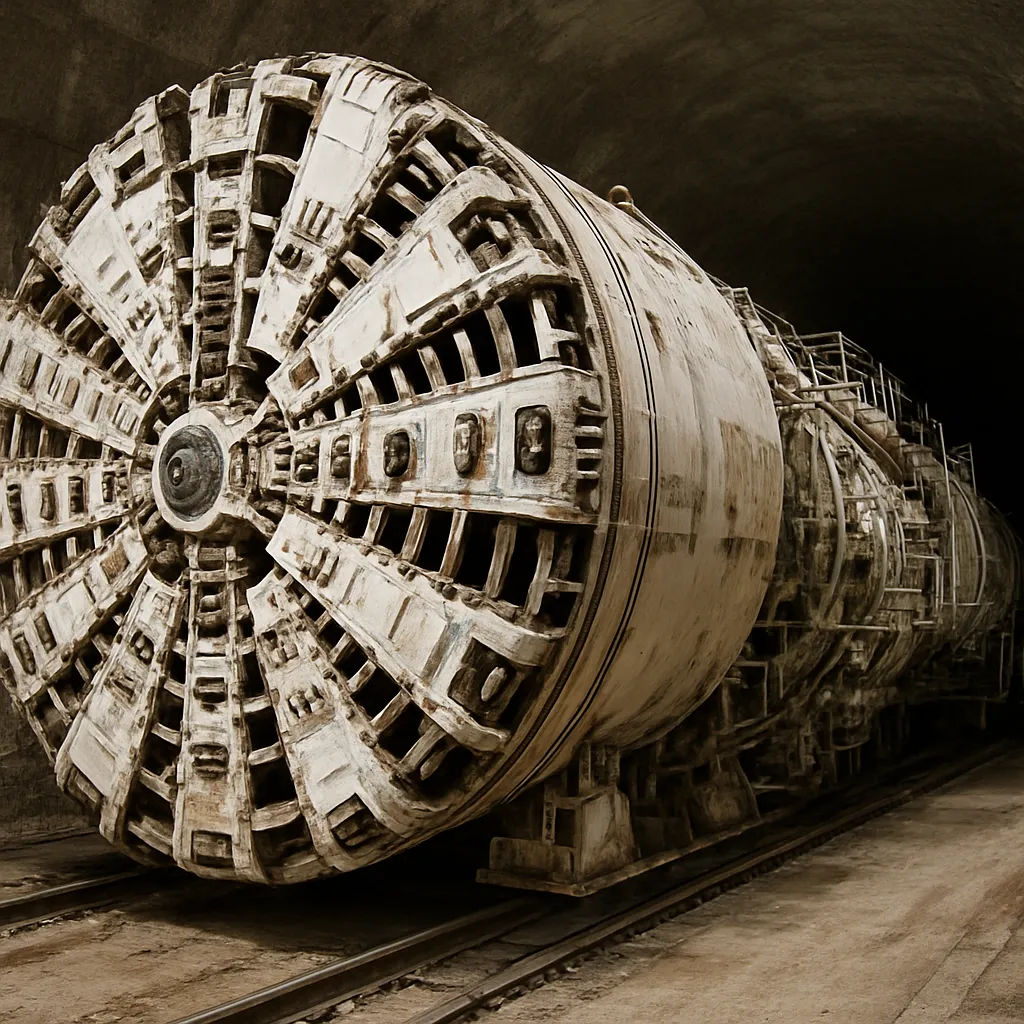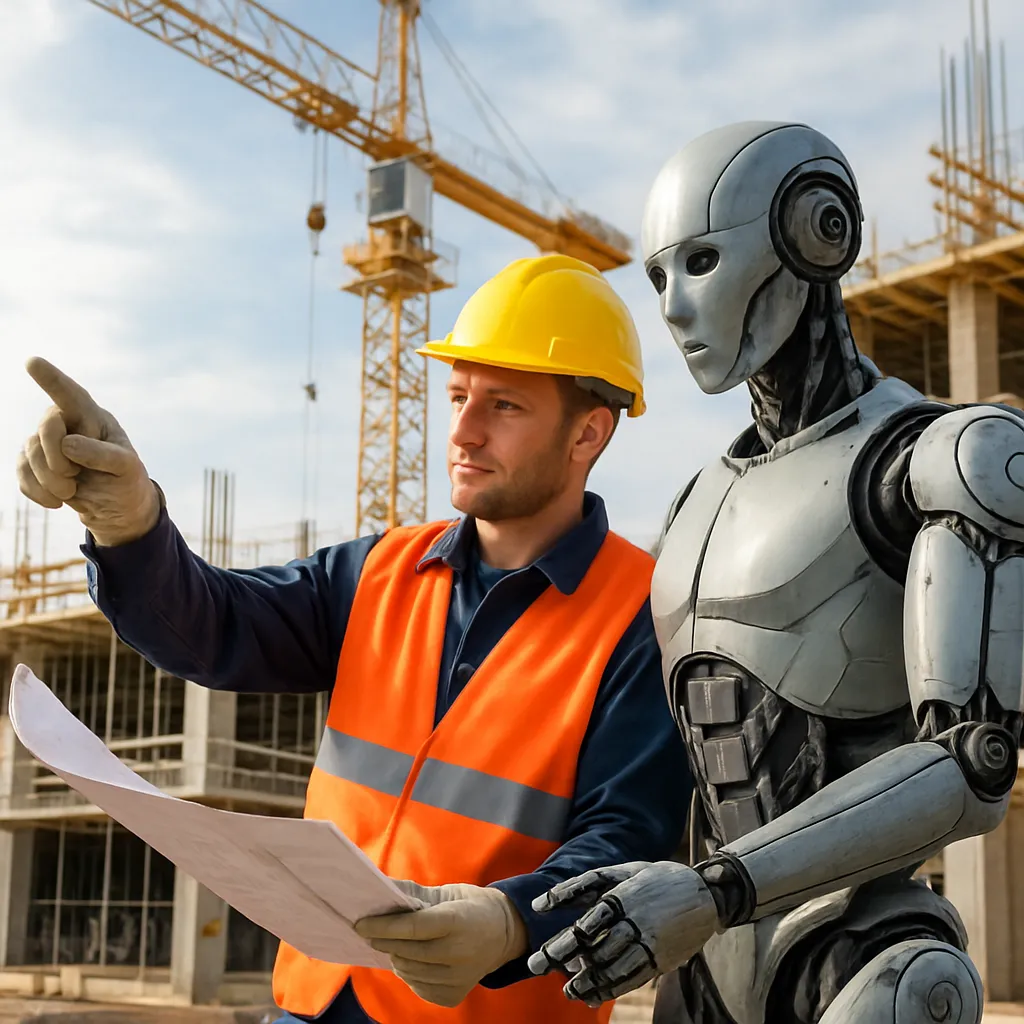
Construction sites are evolving into dynamic environments where advanced machinery and human expertise converge to reshape the industry. As projects grow in scale and complexity, the adoption of cutting-edge equipment brings both opportunities and challenges. From massive cranes guided by intelligent systems to compact drones surveying rooftops, the synergy between man and machine is driving unprecedented improvements in productivity and site safety.
Autonomous Machines Transforming Construction Sites
The introduction of automation has revolutionized how sites operate. Traditional tasks like earthmoving, material handling, and even bricklaying are increasingly managed by self-guided equipment. Autonomous excavators, equipped with high-definition sensors and GPS-based navigation, can dig trenches and backfill foundations with remarkable precision.
- Robotic bricklaying arms that lay bricks at a consistent pace and quality, minimizing human fatigue.
- Self-driving dump trucks that shuttle aggregate and soil between stockpiles, reducing idle time.
- Drones equipped with LiDAR for rapid site surveying, generating 3D models in hours instead of days.
These machines collaborate in real time with site managers through cloud-based software platforms. Project supervisors can monitor equipment health, fuel consumption, and task completion metrics from remote dashboards. This level of visibility leads to better decision-making and more efficient resource allocation.
Enhancing Safety and Efficiency Through Human-Robot Partnerships
While autonomous equipment handles repetitive tasks, skilled workers focus on problem-solving and oversight. This collaboration boosts overall site efficiency while enhancing safety standards. On scaffolding operations, for example, powered exoskeletons support laborers’ movements, reducing the risk of musculoskeletal injuries during material lifting.
Safety Monitoring and Incident Prevention
- Wearable sensors track fatigue indicators in real time, alerting supervisors before errors occur.
- Proximity detection systems on robotic forklifts sound alarms when a worker enters a restricted zone.
- Automated inspection drones inspect high-rise facades, eliminating the need for risky manual abseiling.
By delegating hazardous tasks to intelligent machines, companies significantly lower the incidence of on-site accidents. Tracked vehicles with collision-avoidance software can detect obstacles and halt movement within milliseconds, preventing run-over incidents that were once common in busy yards.
Innovations in Machine Learning and On-Site Automation
At the heart of modern construction robotics lies innovation in robotics and AI. Machine learning algorithms analyze vast amounts of data generated by site operations—ranging from soil composition readings to weather conditions—to optimize equipment scheduling. For instance, an AI-driven crane can adjust lift plans based on real-time wind speed and material weight to guarantee structural precision and compliance with safety margins.
Predictive Maintenance
Another transformative application is predictive maintenance. By continuously monitoring vibration patterns, hydraulic pressure, and engine temperature, AI systems forecast when a machine requires servicing. This approach moves beyond routine checklists toward data-driven interventions, cutting downtime and maintenance costs.
Advanced Coordination Through Digital Twins
Digital twins—virtual replicas of physical sites—are emerging as powerful tools for coordination. These interactive models integrate inputs from an array of IoT devices, providing a live, 4D view of the construction process. Project teams can simulate equipment movements, clash-check assemblies, and rehearse complex operations before deploying resources on the ground.
- Virtual collaboration rooms allow engineers, machine operators, and architects to review scenarios together.
- Real-time feedback loops ensure that changes in design or schedule instantly update all stakeholders.
- Enhanced accuracy in material ordering prevents overstock or stockouts, supporting on-time deliveries.
Impact on the Workforce and Skills Development
The rise of advanced machinery necessitates a shift in the skill set of the construction workforce. Operators now need digital literacy to manage robots via tablet interfaces, interpret 3D site maps, and troubleshoot software-driven equipment. Vocational programs are evolving to offer courses on mechatronics, drone piloting, and data analytics, ensuring that tomorrow’s technicians can harness the full potential of on-site automation.
Moreover, collaborative robots, or cobots, are designed to work alongside humans without extensive safety barriers. These mobile units assist in carrying heavy loads, scanning parts for defects, or delivering tools to workers, effectively acting as on-demand helpers that amplify human capabilities.
Challenges and Strategies for Future Implementation
Despite the clear benefits, integrating high-tech machines into traditional construction workflows presents challenges. Upfront costs for purchasing and maintaining advanced equipment can be substantial. Smaller contractors may struggle to justify the investment without clear ROI projections.
Addressing Skill Gaps
Bridging the gap between current capabilities and future demands requires strategic partnerships between industry and academia. Apprenticeship programs, government incentives, and cross-training initiatives help distribute knowledge and lower entry barriers for emerging technologies.
Ensuring Interoperability
Another hurdle lies in system compatibility. Manufacturers often use proprietary software, which can hinder seamless data exchange across different machines and platforms. Open-standard protocols and API-driven ecosystems are critical to ensuring that autonomous excavators, drones, cranes, and site management apps can communicate without friction.
Towards a Sustainable Construction Ecosystem
Sustainability is integral to the next wave of construction innovations. Electric-powered machinery reduces carbon emissions and noise pollution, creating greener job sites in urban areas. Smart energy grids on-site optimize battery charging, while solar-powered drones patrol solar panel installations to verify performance.
By minimizing idle times, refining material usage, and leveraging precise measurements, the industry moves closer to zero-waste targets. Such practices not only contribute to environmental goals but also boost economic efficiency, as less material waste directly translates to lower project costs.
Conclusion of Emerging Trends
In the coming decade, the convergence of automation, innovation, and human ingenuity will redefine what is possible in construction. As machines continue to learn, adapt, and collaborate more seamlessly with human counterparts, projects will be delivered faster, safer, and with greater accuracy. Embracing this transformation is key to building the resilient, sustainable infrastructure required for our rapidly changing world.