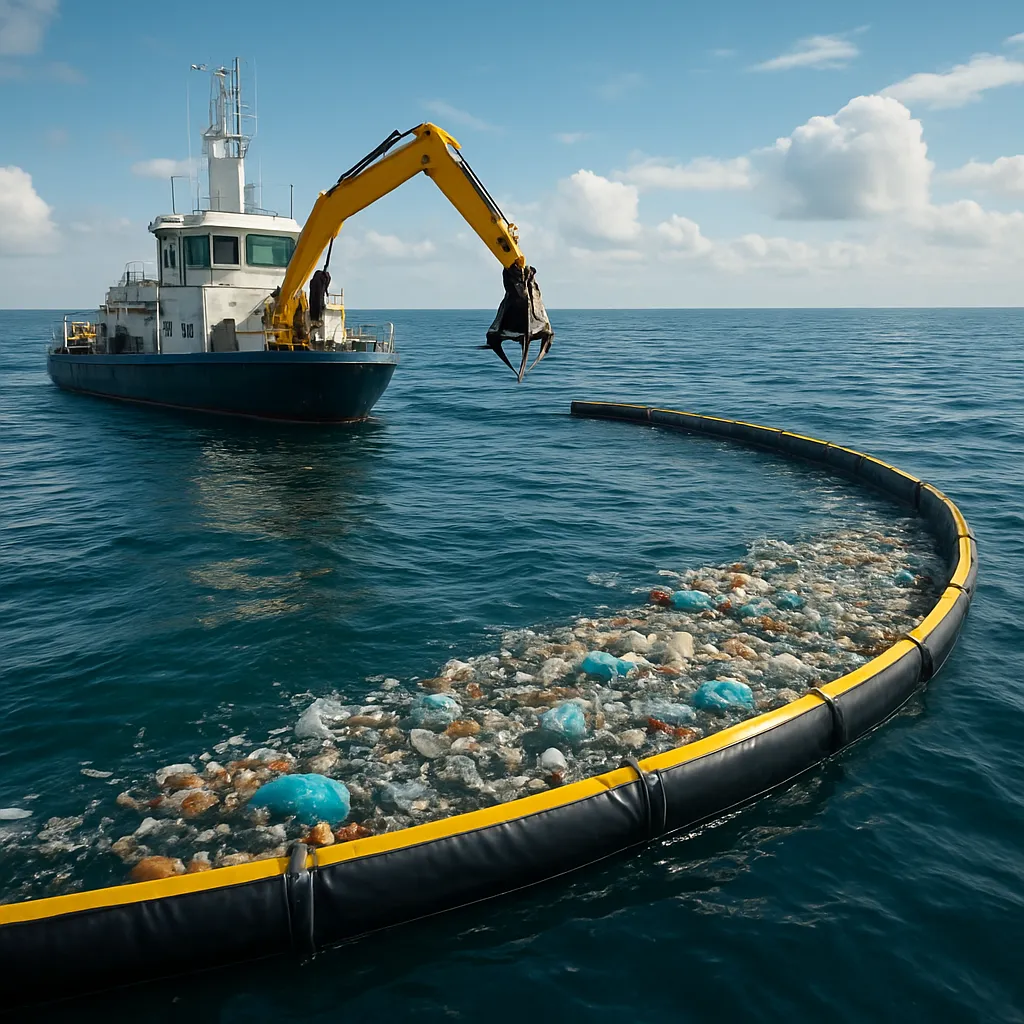
While coastal regions and inland waterways battle escalating garbage accumulation, ingenious machines are redefining aquatic cleanup efforts. From agile aquatic drones to autonomous sea vessels, innovators employ cutting-edge technology to liberate rivers and oceans from debris. This article explores modern champions in the fight against aquatic pollution, examining their design, impact, and the collaborative networks steering them toward a sustainable future.
Innovative Waterway Cleaners
Autonomous Surface Vessels
Ranging from the size of a small kayak to a commercial barge, autonomous surface vessels (ASVs) patrol shorelines and estuaries with precision. Equipped with advanced GPS navigation, AI-driven obstacle detection, and specialized collection booms, these craft can concentrate on collecting floating debris such as plastic bottles, microbeads, and discarded fishing nets. In many pilot programs, ASVs operate in fleets, coordinating routes through shared cloud platforms. Some craft feature solar-powered hulls to achieve hours-long missions without human intervention, dramatically reducing operational costs and carbon footprints.
Underwater Drones
Under the surface, remotely operated vehicles (ROVs) and autonomous underwater vehicles (AUVs) tackle submerged waste that often escapes traditional cleanup methods. Equipped with mechanical arms, suction systems, and high-resolution cameras, these drones locate and remove items like tires, lost nets, and submerged plastic. Through real-time video feeds, human operators can direct delicate maneuvers near coral reefs or shipwrecks, preventing damage to vulnerable habitats. The combination of robust hull designs and waterproof sensors ensures reliable operation under varying depths and currents.
Technologies Powering Environmental Restoration
Artificial Intelligence in Debris Identification
AI algorithms have revolutionized how cleanup machines distinguish between organic and artificial matter. By analyzing camera footage and sonar readings, AI can classify objects based on shape, reflectivity, and movement patterns. This leap in machine vision accuracy has enabled more efficient trash collection without harming marine animals. Recent studies report that AI-assisted detection can increase debris recovery rates by over 40%, a figure that underscores the potential for accelerating large-scale river and ocean restoration projects.
Machine Learning and Data Analysis
Beyond real-time detection, machine learning models ingest historical data on current patterns, tide schedules, and seasonal changes. These insights allow cleanup operations to predict high-concentration zones and deploy resources accordingly. Data-driven route optimization not only saves fuel but also concentrates efforts where pollutants accumulate naturally. Integrated dashboards enable environmental agencies to monitor cleanup progress, identify hotspots, and adjust strategies based on evolving conditions.
Robotics and Sensor Networks
Modern cleanup systems often combine multiple robotic platforms with stationary sensor arrays. Fixed sensor buoys measure water quality indicators—such as pH, turbidity, and chemical signatures—while mobile units respond to alerts. When sensor networks detect spikes in plastic particles or hazardous chemicals, nearby robots navigate to the region for targeted action. This synergy of stationary and mobile robotics fosters a continuous feedback loop, ensuring that cleanup machines can adapt to sudden pollution events or unexpected debris influx.
Impact on Marine Ecosystems and Communities
Preserving Marine Life
By removing derelict fishing gear, plastic films, and microplastics, mechanical cleanup efforts reduce entanglement risks and ingestion hazards for sea turtles, fish, and marine mammals. Projects in the Baltic Sea and parts of Southeast Asia have demonstrated significant declines in ghost net mortality rates following the introduction of specialized recovery vehicles. Moreover, rehabilitating water quality fosters the return of delicate species such as seahorses and juvenile coral polyps, vital for long-term biodiversity.
Economic Benefits for Coastal Regions
Cleaner beaches and healthier waterways translate into thriving tourism and fishing industries. Studies show that every dollar invested in aquatic cleanup yields multiple dollars in local economic gains, from increased visitor spending to reduced costs associated with environmental damage. In developing nations, deployment of low-cost, low-maintenance cleaning machines has created new vocational training programs, empowering local communities to own and operate cleanup fleets. This model aligns environmental stewardship with economic development, reinforcing the interconnectedness of human well-being and ecological health.
Public Engagement and Future Outlook
Robotic cleanup missions often invite community participation through educational outreach, allowing citizens to track machine routes, join beachside launches, or adopt a cleanup robot via crowdfunding platforms. Such initiatives foster broader awareness of plastic waste challenges, encouraging behavioral shifts toward recycling and reduced single-use consumption. As restoration efforts scale up, partnerships between research institutions, NGOs, and tech startups are crucial for refining designs and expanding deployment zones. The next generation of devices may incorporate biodegradable collection bags, real-time emissions monitoring, and hybrid propulsion systems, cementing a collaborative path toward ocean resilience.