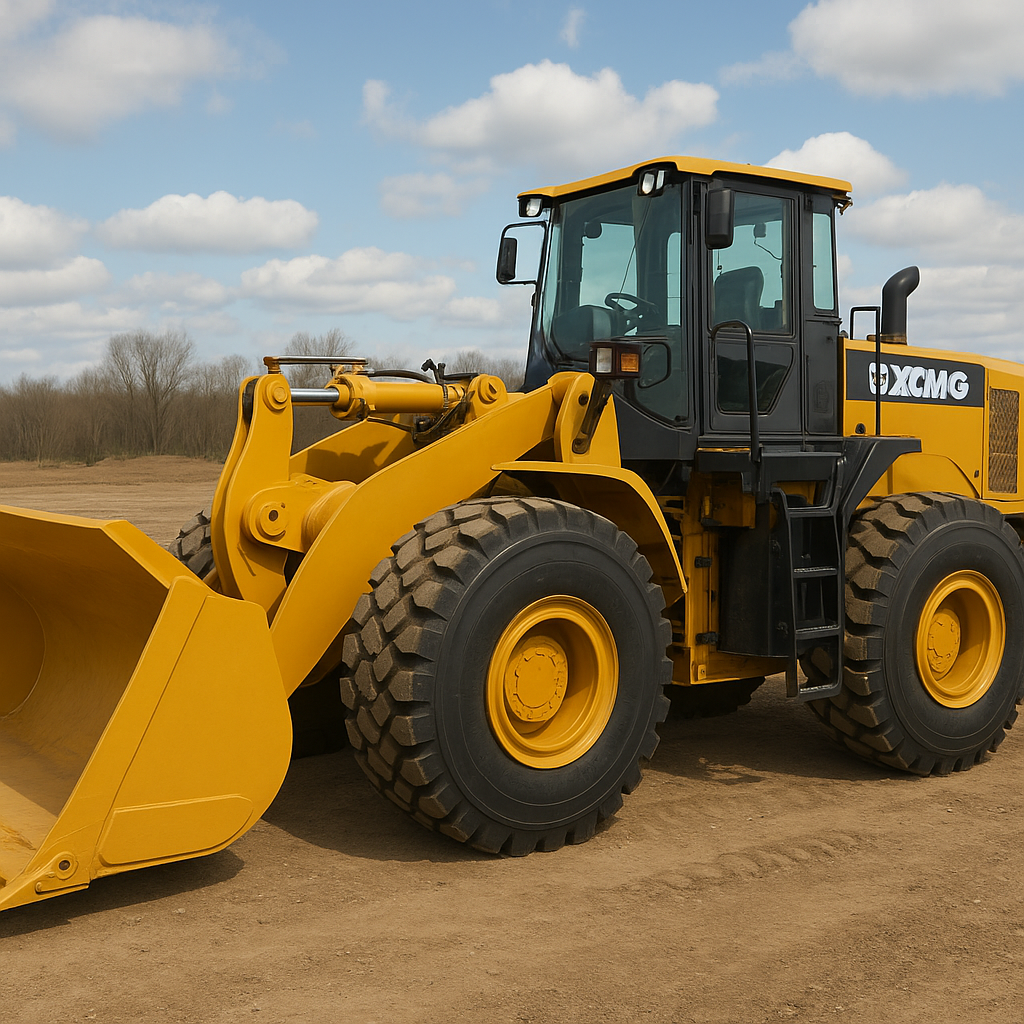
The XCMG LW800K is a heavy-duty wheel loader designed to meet the demands of modern construction, mining, and material-handling operations. Combining robust mechanical systems, operator-focused ergonomics, and versatile attachment compatibility, the LW800K is positioned as a competitive option for contractors and fleet managers looking for a balance of productivity, durability, and fuel efficiency. This article explores the machine’s design philosophy, typical applications, technical characteristics, operational strengths, and market context, with practical insights for buyers and operators.
Overview and design philosophy
The XCMG LW800K reflects XCMG’s strategy of offering reliable, cost-effective earthmoving machinery that incorporates modern technology while retaining straightforward serviceability. Built for heavy loading cycles, the LW800K aims to deliver high material throughput per hour, long component life, and relatively low life-cycle costs.
Key design priorities include:
- Robustness: reinforced frame sections, heavy-duty axles, and durable linkage components to withstand repetitive loading and elevated stresses typical in quarry and mining environments.
- Serviceability: easily accessible maintenance points, grouped service panels, and modular components to reduce downtime and simplify routine servicing.
- Operator comfort: ergonomically laid-out cab, good visibility, and climate control systems to keep operators productive over long shifts.
- Versatility: compatibility with a range of buckets, forks, and specialized attachments to adapt to diverse tasks.
Typical applications and industries
The LW800K is commonly used across several sectors where high-volume loading and material handling are required. Primary applications include:
- Quarrying and mining – loading dump trucks, feeding crushers, and moving stockpiled aggregate or ore.
- Construction and infrastructure – site preparation, backfilling, roadbuilding, and moving construction materials.
- Ports and logistics – container yard handling, bulk material transfer, and loading/unloading ships and trucks.
- Recycling and waste management – managing bulk waste piles, loading shredders, and handling recycled aggregates.
- Agriculture and forestry – handling feedstock, biomass, and other bulky materials where a robust loader is required.
In each of these roles, the LW800K’s combination of breakout force, bucket capacity, and cycle speed determines how effectively it integrates into a worksite’s material flow. Operators often value machines that maintain consistent cycle times and consume less fuel for each ton moved — areas where the LW800K is engineered to perform.
Technical characteristics and performance
Manufacturers commonly provide a set of baseline specifications for machines in this class; actual figures can vary according to configuration, regional emissions settings, and optional equipment. Typical technical characteristics relevant to purchasing and operation decisions include engine output, operating weight, bucket capacity, hydraulic system flow, and axle design.
Typical technical highlights
- Engine: medium-duty diesel powerplant, turbocharged, designed to meet regional emissions standards. Output for loaders in this segment typically ranges from roughly 150 to 220 kW (200 to 300 hp), depending on model tuning and emissions compliance.
- Operating weight: wheel loaders in the 7–12 ton nominal bucket-capacity range usually have operating weights from approximately 12,000 to 20,000 kg; the LW800K is positioned toward the heavier end of compact/medium-large loaders for demanding material-handling tasks.
- Bucket capacity: standard buckets commonly range between 2.5 and 5.0 m3 for machines of this class. Specialized buckets (light-material, rock, multi-purpose) are available to match specific density and loading conditions.
- Breakout force and torque: high breakout force provided by lift arms and linkage; hydraulic systems are tuned for a balance of speed and force to optimize digging and loading cycles.
- Transmission and axles: power-shift or electronically controlled transmission options, along with planetary axles designed for heavy loads and long service life.
Performance in the field depends not only on nominal ratings but also on configuration choices such as tire selection, final drive ratios, bucket geometry, and hydraulic attachments. For example, a rock bucket and heavy-duty tires improve endurance in quarry work but may reduce cycle speed compared with a standard bucket on softer surfaces.
Key features and innovations
The LW800K integrates several features intended to improve productivity, comfort, and uptime. While models and options vary by region, commonly highlighted features include:
Powertrain and hydraulics
- Efficient engine mapping and electronic controls to optimize fuel consumption across different load profiles.
- High-flow hydraulic systems that provide rapid bucket return and cycle times without sacrificing load-holding stability.
- Optional torque converters and automatic shift logic that smooth gear changes, reduce wheel slip, and preserve traction in challenging conditions.
Cab and operator environment
- Comfortable cab with adjustable seating, low-vibration mounting, and sound insulation to reduce operator fatigue.
- Good all-around visibility achieved through cab design and rear/side camera options for safer operation in congested sites.
- Advanced controls and intuitive instrument clusters that provide real-time performance data, fuel consumption, and maintenance reminders.
Durability and maintenance
- Reinforced articulation joints, sealed bearings, and high-strength pins to extend wear life under heavy cycles.
- Grouped service points, ground-level access to daily checks, and easy-to-remove panels to reduce maintenance time.
- Optional automated lubrication systems and remote monitoring tools to improve preventive maintenance and fleet oversight.
Operation, maintenance and safety practices
Maximizing the LW800K’s life and availability requires disciplined maintenance and safe operating practices. Recommended routines and best practices include:
- Daily inspections: check fluids (engine oil, hydraulic oil, coolant), tires, lights, and safety systems; ensure bucket teeth and cutting edges are in good condition.
- Tire and axle care: monitor tire pressure and tread wear; ensure proper torque on axle hub nuts and maintain lubricant levels according to the maintenance schedule.
- Hydraulic system health: keep hydraulic oil clean and monitor for leaks; replace filters at recommended intervals to protect pumps and cylinders.
- Operator training: invest in operator training to teach efficient loading patterns, correct gear selection, and safe reversing practices; skilled operators reduce fuel consumption and component wear.
- Telematics and monitoring: consider telematics packages for remote diagnostics, fuel-use tracking, and preventive alerts to lower unplanned downtime.
Safety systems typically include ROPS/FOPS-rated cabs, backup alarms, mirrors and cameras, and hydraulic lockout features for attachment changes. Adhering to manufacturer-recommended safety checks before each shift preserves both human safety and machine integrity.
Economic and environmental considerations
When evaluating the LW800K as part of a fleet, fleet managers weigh purchase price against life-cycle costs including fuel, maintenance, parts, and resale value. XCMG machines are often marketed on competitive initial pricing compared with some international brands, while offering acceptable total-cost-of-ownership through durable components and service networks in many regions.
Environmental concerns shape buying decisions as well. Relevant considerations include:
- Fuel economy: engine and hydraulic controls that reduce fuel use lower both operating costs and emissions.
- Emissions compliance: engines configured to meet local emissions standards (Stage V, Tier 4 Final, etc.) where required by regulation.
- Noise and dust: cab insulation and engine enclosures that reduce operator exposure; operational practices and attachments to suppress dust during loading.
- End-of-life recycling: use of recyclable materials and recoverable fluids to minimize environmental footprint.
Market positioning and competition
XCMG positions the LW800K against other medium-to-large wheel loaders from global and regional manufacturers. The machine competes on a mix of price-performance, warranty and support networks, and the availability of localized service parts. In markets where XCMG has established dealer networks and parts availability, buyers often find attractive value propositions compared with more expensive legacy brands.
Competitive advantages often cited for machines like the LW800K include:
- Lower initial acquisition cost relative to comparable models from long-established Western/Japanese brands.
- Good parts availability in markets with XCMG presence, supporting faster repairs and reduced downtime.
- Adaptable configurations and a wide range of attachments to meet various workflows.
Case use examples and operational tips
Field reports and fleet data generally highlight several practical lessons for maximizing performance:
- Match bucket size to material density: using too large a bucket on heavy material (e.g., wet clay, dense rock) overloads drivetrain components; conversely, too-small buckets reduce productivity.
- Optimize tire selection: choose tires rated for the site’s conditions (rock, mixed, soft), as proper tires improve traction and lower fuel burn.
- Implement shift and throttle strategies: use eco modes when filling hoppers or traveling light, and reserve high-power modes for breakout and heavy loading cycles.
- Monitor telematics closely: analyze fuel consumption per ton moved, idle time, and maintenance alerts to improve operating discipline and lower costs.
Examples from quarries and bulk-handling facilities show that properly configured LW800K machines can achieve competitive cycle times when matched with truck fleets and optimized loading patterns. Operator training frequently produces immediate gains in productivity and reductions in consumable wear.
Acquiring and spec’ing an LW800K
When specifying an LW800K for purchase, consider these decision points:
- Primary application and duty cycle (continuous heavy use vs. intermittent site work).
- Desired bucket capacity and attachment needs (general-purpose, rock, light-material, pallet forks, etc.).
- Regulatory environment for emissions and noise — choose engine configuration accordingly.
- Preferred comfort and technology options (cameras, telematics, premium cab packages).
- Availability of local dealer support, warranty terms, and parts logistics.
Requesting a site demonstration and reviewing total-cost-of-ownership estimates, including resale values and regional maintenance rates, helps validate the decision. Also verify whether the unit includes telematics or remote diagnostics as part of the purchase package, because these features can significantly improve uptime management.
Summary and final observations
The XCMG LW800K is a practical choice for organizations seeking a versatile, robust wheel loader with a relatively attractive price-to-performance ratio. Its strengths lie in its adaptability to a range of heavy-duty tasks, focus on operator comfort, and configurations that support efficient maintenance. While precise technical specifications will vary by region and options, prospective buyers should evaluate the LW800K on measured productivity (tons per hour), fuel consumption, and total life-cycle costs.
Key factors to emphasize when considering an LW800K include:
- Compatibility with your site’s materials and cycle demands.
- Support network and parts availability in your region.
- Operator training and maintenance practices to maximize uptime.
- Investment in telematics for continuous performance improvement and preventive maintenance.
With careful specification and disciplined operation, the LW800K can serve as a productive workhorse in quarries, construction sites, ports, and recycling facilities, balancing initial cost with operational reliability and efficiency.
)
)