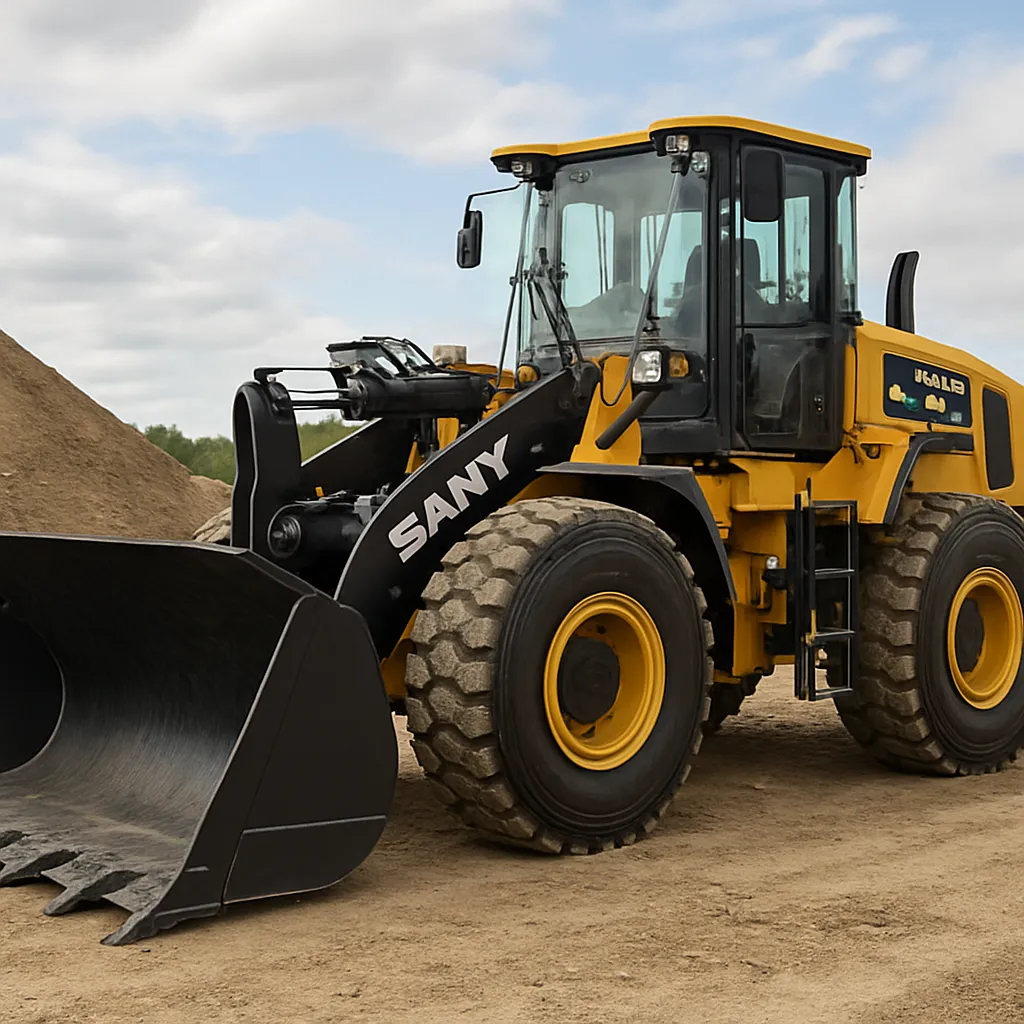
The SANY SW936 is a versatile medium-to-large wheel loader designed to meet the demands of construction, quarrying, mining, material handling and port operations. Combining durable mechanical components, a modern cab and adaptable attachment options, the SW936 aims to deliver a balance of power, efficiency and operator comfort. This article describes the machine’s typical applications, technical and performance highlights, maintenance and support considerations, and real-world operational contexts. Where exact specifications can vary by market and configuration, I indicate typical ranges and considerations so you can compare the SW936 to other loaders or determine suitability for specific tasks.
Overview and design philosophy
The SANY SW936 reflects the manufacturer’s strategy of offering heavy equipment that competes through a combination of rugged design, supplier synergies and value-driven pricing. Built on a heavy-duty frame with emphasis on reliability and serviceability, the machine is positioned as a workhorse for medium-to-heavy duty tasks. Key design priorities include operator visibility and ergonomics, straightforward maintenance access, and hydraulic systems tuned for efficient cycle times.
Core components and layout
- Engine: Typically a turbocharged diesel with emissions controls appropriate to regional standards; selection emphasizes torque delivery for bucket breakout and sustained load handling.
- Hydraulic system: Load-sensing or pressure-compensated pumps in many configurations to balance fuel consumption with response, and to power attachments.
- Drive train: Heavy-duty axles and planetary hub reductions designed for traction in soft ground, quarry surfaces and paved yards.
- Cab and controls: Modern ergonomic layout with good sightlines over the bucket, optional HVAC, and intuitive joystick or lever control packages.
SANY aims to combine durability with cost-effectiveness. The SW936 typically emphasizes straightforward mechanical architecture so that field repairs are easier and downtime is minimized.
Technical profile and typical specifications
Exact trim and specifications for the SW936 can vary depending on model year, selected options and regional emissions requirements. The following figures represent typical ranges and common configurations to help understand the machine’s capabilities.
- Operating weight: Often in the medium-to-heavy loader class; typical operating weights for machines in this range tend to be from approximately 10 to 18 tonnes depending on counterweights and attachments.
- Bucket capacity: Common standard buckets for this size range between about 2.5 and 4.0 cubic meters, with specialized buckets (light material, rock, or high-capacity) available as options.
- Engine power: Many SW900-series loaders are equipped with diesel engines producing roughly in the mid-hundred kilowatt range (commonly equivalent to 150–280 horsepower depending on configuration and emissions tuning).
- Breakout force and hydraulic flow: Designed to provide strong breakout and lift performance for loading trucks and moving dense materials; hydraulic flow rates and pressures will depend on pump configuration and optional work hydraulics.
- Transmission: Power-shift or electronically controlled planetary transmissions are typical, with multiple gear ranges for travel and work functions to optimize speed and torque.
For precise numeric values (exact horsepower, rated load, tipping load and dimensions) consult the manufacturer’s data sheet for the specific model year and option set. Regional differences in emission controls and engine suppliers can alter ratings.
Primary applications and operational roles
The SW936 is suited to a broad set of roles due to its combination of lift capacity, bucket volume and maneuverability. Typical application sectors include:
- Construction: Earthmoving, site preparation, trench backfilling and material staging. The SW936 can cycle large buckets and load haul trucks efficiently in mid-size construction projects.
- Quarry and aggregate: Loading conveyors, trucks and hoppers with crushed stone, sand and gravel. Rock buckets and reinforced linkage options increase durability in abrasive environments.
- Mining (satellite and pit operations): Hauling stockpiles, reclaiming, and supporting secondary operations. While not typically used in primary haul fleets for large mines, it serves well in support roles or smaller operations.
- Ports and terminals: Handling bulk materials such as coal, fertilizer, biomass and recyclables where quick bucket cycles and predictable fuel consumption are important.
- Agriculture and waste handling: Moving silage, feed, compost and municipal waste. Specialized buckets and grapples expand utility.
Operators value the SW936 when tasks require a balance of material throughput and maneuverability in confined or mixed-surface sites.
Performance, efficiency and operating economics
Operational efficiency is determined not only by raw power and bucket size but also by cycle times, fuel consumption, downtime, and operator productivity.
Fuel efficiency and productivity
Manufacturers and owners often quote productivity in terms of cubic meters or tons per hour. The SW936’s productivity is driven by:
- Bucket capacity and fill factor (ability to consistently achieve full buckets).
- Cycle times determined by hydraulic responsiveness and machine mass.
- Drive speed and breakout force for efficient loading of haul trucks.
Fuel-saving strategies include using ECO modes (if available), matching bucket size to task, and training operators in smooth, anticipatory control techniques. In many cases, loaders in this class strike a good compromise between fuel consumption and throughput when properly matched to workload.
Lifecycle costs and resale value
Key drivers of lifecycle cost are initial purchase price, maintenance schedule, parts availability, operator behavior, and resale value. SANY’s global expansion has improved parts logistics in many regions, which can reduce downtime and repair costs. Proper preventive maintenance and use of OEM or approved components maintain value at resale.
Attachments, customization and versatility
The SW936’s utility increases with a broad set of available attachments. Choosing the correct attachment optimizes productivity and can protect the machine from unnecessary wear.
- Buckets: General-purpose, multipurpose, light-material, rock, and high-capacity buckets.
- Forks and pallet forks: For materials handling in logistics yards and warehouses.
- Grapples: For recycling, timber and scrap handling.
- Blades and snow attachments: For civil works and winter service.
- Quick coupler systems: Speed switching between attachments to improve uptime.
Attachment selection should match specific material densities and cycle profiles. For example, dense rock handling benefits from reinforced rock buckets and aggressive cutting edges, while bulk sand requires larger, high-capacity buckets to maximize throughput.
Operator environment, safety and control systems
Operator comfort and machine safety are critical for productivity and risk reduction. The SW936 cabins typically emphasize:
- Good visibility to front, sides and rear to reduce blind spots and improve precision when loading trucks.
- Ergonomic seating, adjustable controls and climate control for longer shifts.
- Instrumentation and optional telematics to monitor engine parameters, fuel consumption, error codes and maintenance intervals.
- Safety features such as ROPS/FOPS certified cabs, rearview cameras, audible alarms, and improved access ladders and handrails.
Modern SANY loaders often include optional telematics platforms for remote diagnostics, fleet tracking and maintenance alerts, which decrease unscheduled downtime and support predictive maintenance scheduling.
Maintenance, serviceability and parts support
Minimizing downtime requires both design-for-service and a strong local support network. The SW936 typically targets straightforward maintenance through:
- Accessible service points: grouped greasing points, easy-access filters and service doors.
- Standardized components where possible to reduce spare part types and simplify logistics.
- Comprehensive manuals and training packages for operators and technicians.
Service intervals and costs will depend on operating conditions. In dusty quarry environments, more frequent filter and hydraulic oil changes are typical. Establishing a preventive maintenance program that includes fluid sampling, wear part inspection and component lubrication significantly extends component life and machine uptime.
Market position and comparative context
In the global loader market, SANY competes with established brands by offering a value proposition that often includes lower base prices, competitive warranties and expanding service networks. Buyers tend to weigh acquisition cost against long-term reliability, parts availability and dealer support.
Comparisons with peers
- Against premium brands: SANY often provides comparable mechanical capability at a lower purchase price but buyer perceptions about brand prestige and long-term resale can differ.
- Against local or regional brands: SANY’s tectonic growth in many markets has meant better global supply chains and growing local support networks compared to smaller manufacturers.
Decision-makers should evaluate total cost of ownership (TCO) including fuel, maintenance, operator productivity and residual value when selecting the SW936 versus competing models.
Environmental considerations and emissions
Modern wheel loaders must meet regional emissions regulations. The SW936’s engines are typically fitted with appropriate aftertreatment systems (for example, DOC, DPF and possibly SCR) to meet Tier/Stage or other regulatory requirements. Key considerations include:
- Proper operation of aftertreatment systems to avoid derating and maintain fuel efficiency.
- Adoption of low-sulfur diesel and appropriate engine oils to preserve emissions equipment life.
- Idle-reduction strategies and eco modes to reduce fuel consumption and emissions during light-load cycles.
Some job sites also demand low-noise or low-emission equipment; confirm available options and certifications before purchase for sensitive environments.
Real-world examples and case uses
Across regions, operators deploy loaders like the SW936 for a variety of real-world tasks:
- Quarry: Continuous loading of trucks onto haul roads with reinforced buckets and heavy-duty axles to take abrasive wear and shock loads.
- Port terminal: Rapid cycle loading of bulk materials into hoppers and vessels with dust-control measures and quick-coupler attachment changes.
- Municipal services and recycling: Using grapples and specialized buckets for sorting and moving mixed materials.
- Construction site: Site clearing, material distribution and truck loading in mixed-surface conditions.
Operators often report that matching the bucket size and utilizing operator training programs makes a larger impact on throughput than marginal differences in engine horsepower.
Buying considerations and recommendations
When evaluating the SW936 for purchase or lease, consider these points:
- Inspect the dealer and service network in your area to ensure rapid parts delivery and qualified technicians.
- Match bucket selection to the material density and cycle profile to optimize productivity and fuel efficiency.
- Review available telematics and maintenance packages — proactive service agreements can reduce long-term costs.
- Evaluate operator cab comfort and visibility since human factors significantly influence daily output and safety.
- Confirm emission system configurations for your jurisdiction to avoid compliance issues and potential performance derates.
Summary and outlook
The SANY SW936 is positioned as a flexible and cost-effective loader for a broad range of mid- to heavy-duty material handling tasks. Its strengths include adaptivity through attachments, straightforward maintenance access and a value-oriented acquisition cost. Choosing the right configuration, maintaining preventive service routines, and training operators are essential to extracting consistent performance and managing lifecycle costs.
Key takeaways: select the SW936 when you need a robust, adaptable loader that balances throughput and operational economy; verify specifications for your region and application; plan maintenance and attachments to match the specific tasks you intend to perform.
SW936 examples and precise numeric specifications change with market and year, so for purchase decisions consult the local dealer for the latest datasheets, warranty coverage and available options tailored to your operational needs.


)
)