The world of industrial machinery is a testament to human ingenuity, where complex systems collaborate to reshape landscapes, streamline production, and elevate safety standards. From the thunderous roar of an excavator digging deep foundations to the silent precision of a robotic arm on an assembly line, these mechanical marvels drive the economy forward. This exploration delves into the core aspects of machines at work, shedding light on their transformative power, integration of advanced technologies, and the essential practices that ensure their long-term performance.
Heavy Machines Revolutionizing Construction and Mining
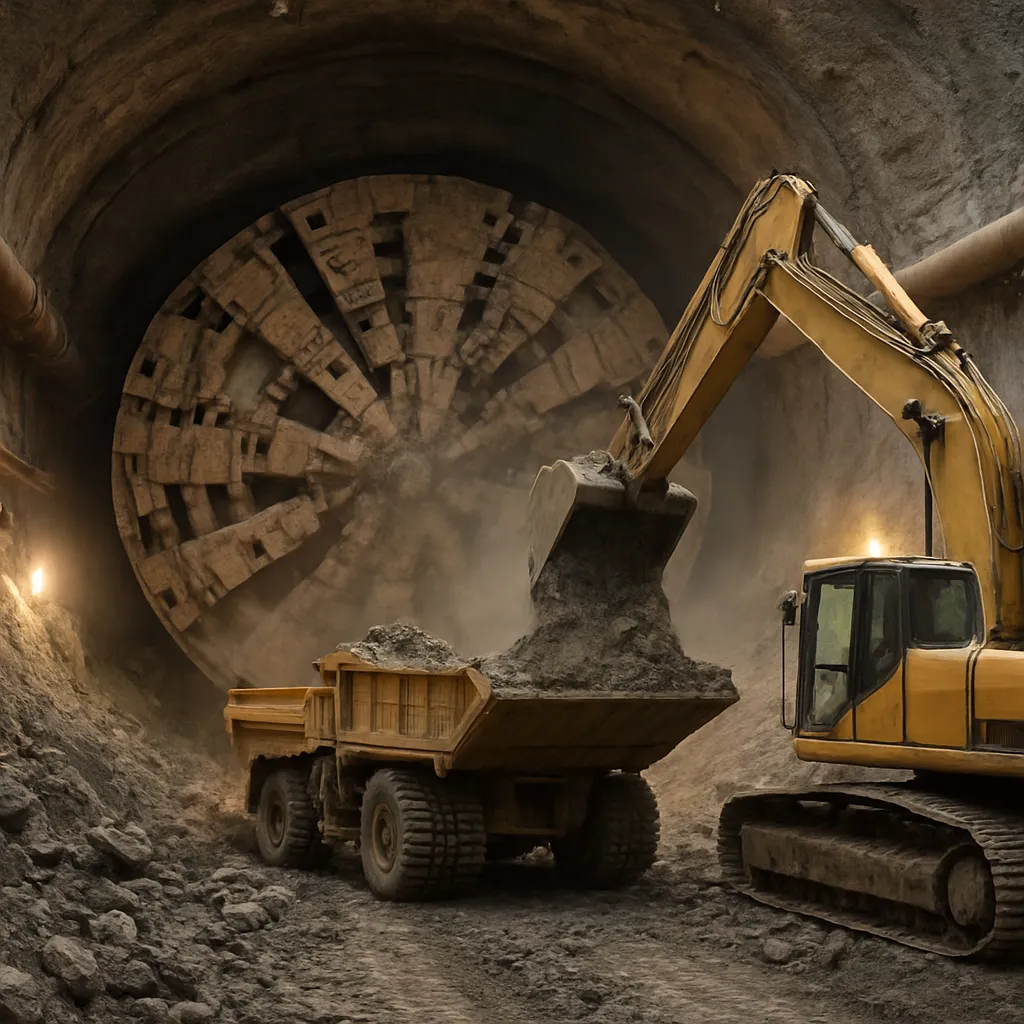
In sprawling construction sites and open-pit mines, colossal equipment moves mountains of earth with remarkable speed. Excavators, bulldozers, and dump trucks form the backbone of such operations, delivering unparalleled efficiency in earthmoving and material transport. These machines rely on robust hydraulics, durable steel frames, and high-capacity engines to operate continuously under harsh conditions.
- Excavators: Equipped with versatile buckets and powerful hydraulic systems, they handle tasks ranging from foundation digging to trenching.
- Bulldozers: With heavy blades and strong tracks, they level terrain and push large debris piles, providing essential site preparation.
- Dump Trucks: Designed for high payloads, they shuttle aggregates, ore, and waste materials from one point to another efficiently.
Excavators and Earthmoving Precision
Excavators come in various sizes, from compact models for urban zones to massive units for mining. Their automated control features, such as GPS-guided grading and tilt-rotator attachments, enhance precision and reduce operator fatigue. Sensors monitor hydraulic pressure and engine performance, alerting technicians to potential issues before downtime occurs.
Cranes Elevating Load Handling
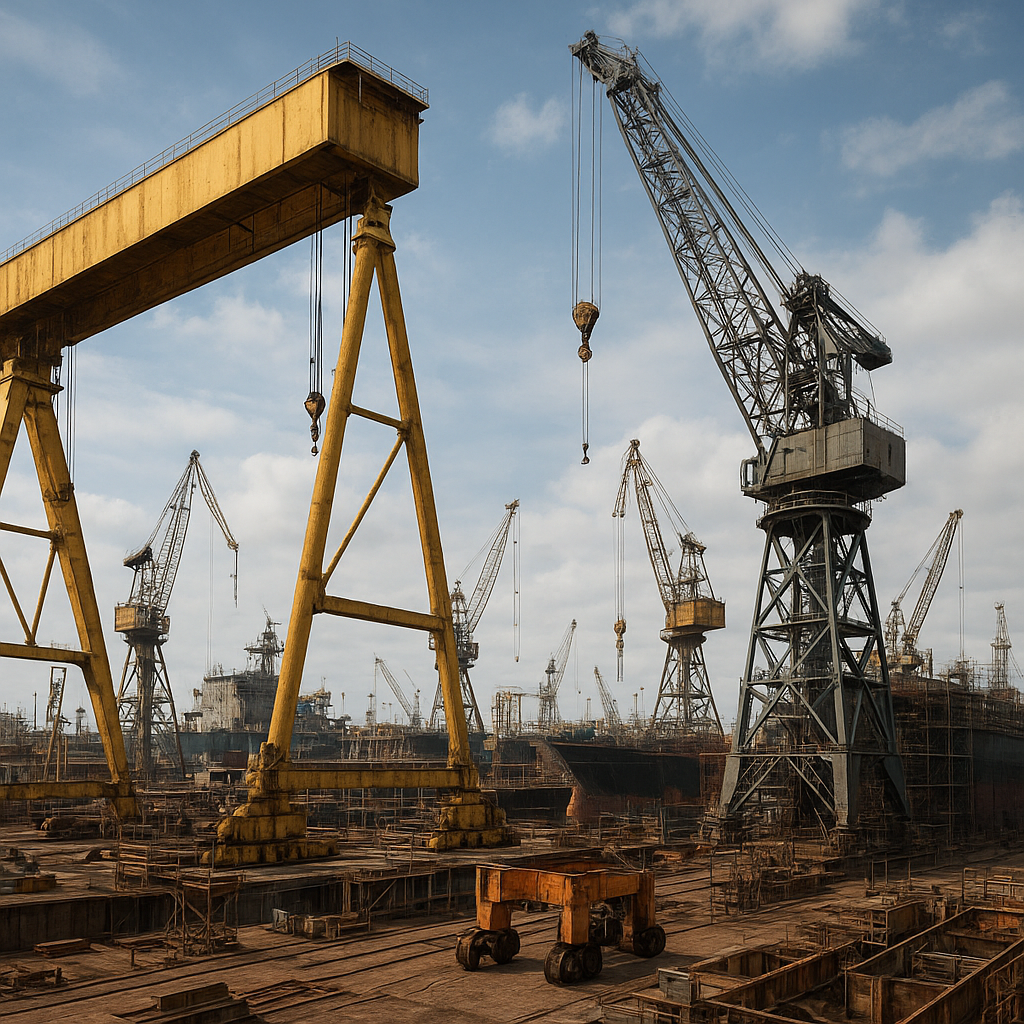
Cranes stand as icons of vertical force, lifting steel beams and heavy machinery components into place on skyscrapers and shipyards. Mobile cranes offer mobility across job sites, while tower cranes remain fixed for prolonged building projects. Modern cranes incorporate advanced automation modules that stabilize loads using real-time wind and sway compensation, ensuring both speed and safety.
Automation and Robotics Enhancing Manufacturing
As factories embrace the Fourth Industrial Revolution, machines evolve from standalone tools to interconnected nodes within smart networks. Automated Guided Vehicles (AGVs), collaborative robots (cobots), and sophisticated vision systems redefine factory floors, optimizing workflows and elevating product quality.
- Robotic Arms: Specialized end-effectors allow these robots to handle welding, painting, assembly, and packaging with unmatched repeatability.
- AGVs: Automated carts transport materials between workstations, guided by lasers, magnetic strips, or computer vision.
- Vision Systems: Cameras and AI algorithms inspect components for defects, ensuring that every part meets strict tolerances.
Collaborative Robotics and Human-Machine Collaboration
Unlike traditional industrial robots, cobots operate safely alongside human coworkers, thanks to force-limited joints and advanced sensors. They assist with repetitive tasks, boosting workforce productivity and reducing ergonomic injuries. Programming these devices requires intuitive software interfaces, empowering operators with minimal coding experience to define complex motion sequences.
Data-Driven Production and Predictive Analytics
Embedded sensor arrays collect streams of performance data, feeding into innovation-driven analytics platforms. By identifying abnormal vibration patterns, temperature spikes, or hydraulic leaks, managers can implement predictive maintenance, preventing costly breakdowns and extending equipment life. Real-time dashboards provide actionable insights, enabling agile adjustments to throughput and resource allocation.
Maintenance Practices for Longevity and Reliability
Proper maintenance is the linchpin of uninterrupted operations. Scheduled inspections, lubrication routines, and component replacements uphold the durability of machinery under continuous stress. The evolution of maintenance strategies from reactive to proactive models marks a paradigm shift in industrial asset management.
- Routine Visual Checks: Operators look for fluid leaks, loose bolts, and unusual wear patterns.
- Condition Monitoring: Vibration analysis, oil analysis, and thermal imaging detect early signs of component fatigue.
- Remote Diagnostics: IoT-enabled devices transmit machine health data to centralized service centers.
Predictive and Preventive Maintenance
Rather than waiting for machine failure, predictive approaches use machine learning to forecast service needs. For instance, bearing vibration trends can indicate misalignment or lubrication issues. By replacing parts just before failure, businesses minimize downtime and optimize maintenance budgets.
Training and Safety Protocols
Comprehensive training ensures that operators and technicians handle heavy equipment and advanced automation tools correctly. Safety programs incorporate virtual reality simulations to recreate high-risk scenarios without endangering personnel. Lockout/tagout procedures, mandatory safety gear, and emergency response drills cultivate a culture of vigilance around safety.
Sustainable Practices and Environmental Responsibility
In an era marked by climate concerns, industries prioritize reducing the carbon footprint of their machinery. Innovations in powertrains, alternative fuels, and material recycling contribute to more eco-friendly operations without sacrificing performance.
- Electric and Hybrid Power: Zero-emission excavators and forklifts run on batteries or hybrid engines to cut greenhouse gas emissions.
- Energy Recovery Systems: Regenerative braking and hydraulic energy recovery feed power back into on-site grids.
- Recycled Components: Steel, aluminum, and rare-earth metals from decommissioned machines are reprocessed into new parts.
Energy Efficiency and Emission Control
Advanced engine management systems optimize fuel injection, turbocharging, and exhaust after-treatment to meet stringent emission standards. Idle-reduction features automatically shut down engines when not in use, cutting unnecessary fuel consumption during long pauses.
Lifecycle Assessment and Circular Economy
Manufacturers conduct lifecycle assessments (LCAs) to evaluate environmental impacts from raw material extraction to end-of-life disposal. By designing machines for easy disassembly and remanufacturing, they embrace circular economy principles, minimizing waste and conserving natural resources.