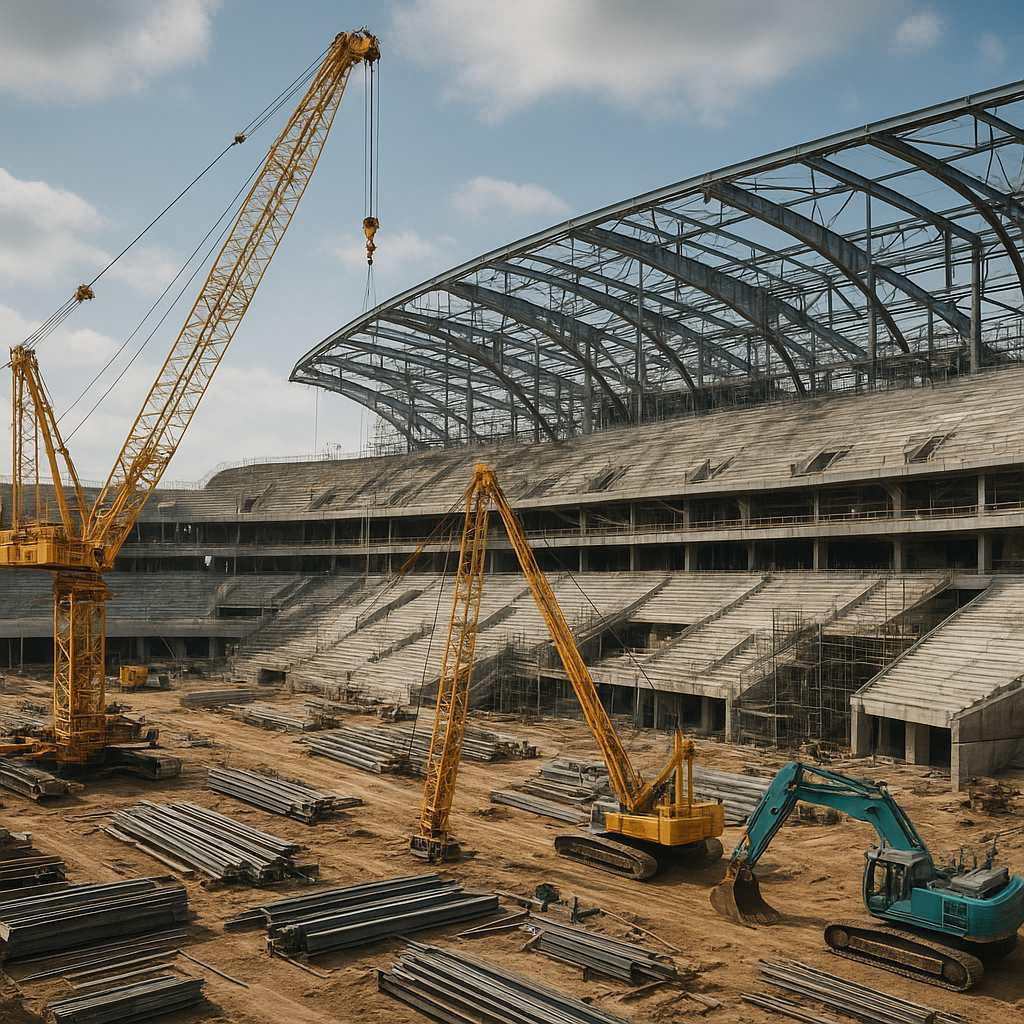
Massive sports venues rise from bare earth to architectural marvels thanks to a fleet of specialized machines working in perfect harmony. This article explores the cutting-edge equipment and processes that enable the rapid, safe, and cost-effective construction of massive stadiums and arenas. From earthmoving giants to robotic assembly lines, each piece of machinery plays a pivotal role in shaping the structures that host millions of fans worldwide.
Innovative Heavy Machinery Redefining Construction
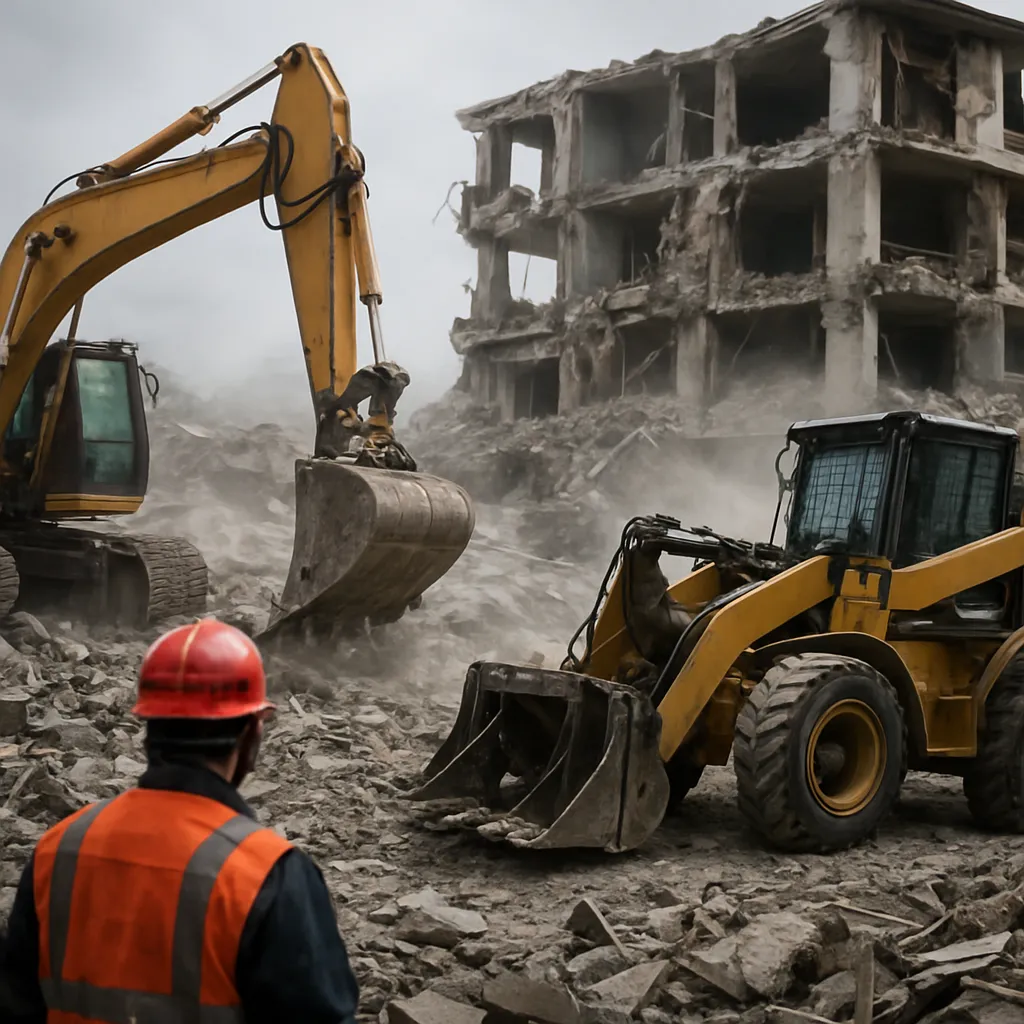
Before a single beam goes up, the site must be prepared by some of the world’s most formidable machines. Excavators equipped with high-torque hydraulic arms dig foundations and trenches with unparalleled precision. Modern models boast GPS-guided controls that ensure every cubic meter of soil is removed to exact tolerances. Meanwhile, giant cranes and pile drivers stabilize the ground by driving deep steel pylons, anchoring future stands and concourses.
- Hydraulic Excavators: Powerful booms fitted with rock breakers or buckets for rapid earth removal.
- Tower Cranes: Capable of lifting steel girders, prefabricated sections, and concrete segments hundreds of feet into the air.
- Pile Drivers: Pneumatic or vibratory rigs that insert foundation piles down to bedrock, providing critical structural support.
- Bulldozers and Graders: Leveling expansive sites to create precise building pads and access roads.
Integration of telematics allows site managers to monitor fuel consumption and operating hours, improving efficiency and reducing downtime. As project milestones shift, these machines adapt by swapping attachments or reconfiguring tracks and wheels to tackle diverse terrains, from muddy lots to rocky outcrops.
Robotics and Automation Streamlining Assembly
With foundation work complete, focus shifts to erecting the stadium’s superstructure. Traditional manual lifting gives way to automation and robotics, where programmable machines assemble steel frames and place concrete panels. These robots work around the clock, performing repetitive or hazardous tasks with unwavering consistency.
- Robotic Welders: Automated arms that join steel beams in perfect alignment, reducing human exposure to sparks and fumes.
- 3D Concrete Printers: Layer-by-layer extrusion of concrete to form custom architectural elements and structural supports.
- Drones with LiDAR: Aerial units that scan the site, generate real-time models, and guide ground robots with centimeter accuracy.
- Automated Guided Vehicles (AGVs): Driverless trolleys transporting materials such as rebar, formwork, and tools across massive footprints.
By marrying Building Information Modeling (BIM) with field robotics, teams can simulate entire construction sequences digitally before actual deployment. This virtual rehearsal flags conflicts—like beam misalignments or crane path obstructions—saving weeks of potential rework. The result is a streamlined assembly process where machines hand off precisely manufactured components in a controlled, orchestrated dance.
Prefabrication, Modularity, and Logistics
Modern stadiums often rely on prefabrication and modularity to accelerate delivery. Entire seating sections, roof trusses, and hospitality pods are built off-site in climate-controlled factories. There, QA teams inspect each piece for tolerances measured in millimeters. Once certified, components travel on flatbeds or barges, arriving just-in-time for installation.
- Factory-built concourse modules complete with wiring, plumbing, and finishes that plug into the stadium’s backbone.
- Precast concrete tiers that stack like giant Lego blocks, dramatically reducing formwork labor and on-site curing time.
- Standardized steel trusses that interlock, allowing roof spans to cover tens of thousands of spectators without central pillars.
Logistics software orchestrates the flow of parts, coordinating deliveries to minimize storage on congested sites. Real-time tracking ensures heavy loads arrive when cranes and crews are ready, avoiding idle machines and bottlenecks. This just-in-time approach not only boosts productivity but also enhances sustainability by cutting material waste and idling emissions.
Sustainability, Safety, and Future Trends
As conscious citizens demand greener buildings, construction machines are evolving to meet efficiency and environmental targets. Hybrid and fully electric models now handle excavation and concrete pumping with reduced carbon footprints. Onboard sensors monitor engine health, hydraulic pressure, and fluid levels, enabling predictive maintenance that prevents unexpected breakdowns.
- Electric Excavators: Zero-tail-swing designs for urban sites with noise and emission restrictions.
- Solar-Powered Site Facilities: Mobile control centers and lighting units charged by rooftop panels.
- Safety Drones: Automated aerial inspections of high-altitude connections, minimizing worker risk.
Looking ahead, fully autonomous fleets may handle repetitive tasks like site grading and material hauling. Wearable exoskeletons could empower workers to guide massive loads with minimal effort. Augmented-reality glasses will overlay digital plans onto physical structures, ensuring alignment and compliance. Combined with machine learning, these innovations promise stadium projects delivered faster, safer, and with a lighter environmental footprint, redefining what is possible in large-scale construction.