Satellite-guided navigation has ushered in a new era for heavy construction machinery, reshaping excavation, grading, and earthmoving operations around the world. By combining advanced positioning with intelligent control systems, modern equipment delivers unmatched precision and consistency. Contractors and operators can now tackle complex projects with enhanced speed, reduced rework, and lower environmental impact. This exploration delves into the integration of GPS technology in earthmoving machines, highlights key benefits, examines operator training, and anticipates future developments.
GPS Integration into Earthmoving Equipment
Evolution from Manual Grading to Digital Guidance
Before the advent of satellite positioning, heavy machinery operators relied on stakes, wires, and physical sightlines to maintain grade and alignment. These methods often led to human error, frequent rechecks, and project delays. The introduction of GPS systems eliminated many of these uncertainties by providing continuous, high-accuracy location data. Modern earthmoving equipment is equipped with onboard receivers that communicate with a network of satellite constellations, generating centimeter-level position fixes. This transition from analog tools to digital guidance has drastically reduced dependence on survey crews and manual surveys.
Components of a Modern Guidance System
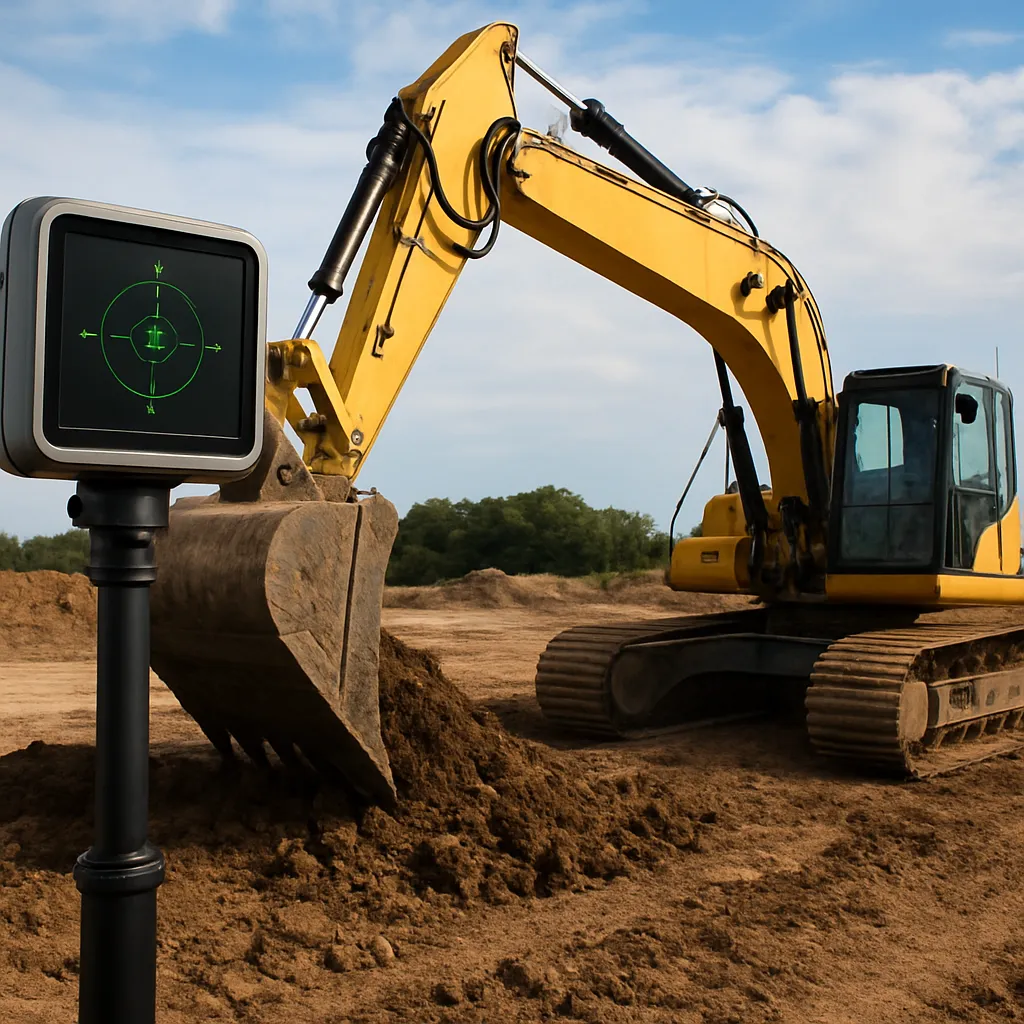
A typical GPS-enabled solution consists of a base station, rover units, and an onboard display or controller. The base station broadcasts correction data, enhancing raw satellite signals to achieve high accuracy. Rovers mounted on blades, buckets, or booms receive this data and feed it into the machine’s control system. Operators interact through an intuitive touchscreen, visualizing cut/fill targets, slope angles, and 3D site models. Advanced systems incorporate inertial measurement units (IMUs) to maintain reliable positioning even when satellite signals momentarily degrade near dense structures or rugged terrain.
Enhancing Efficiency and Precision
Minimizing Waste and Rework
Every cubic meter of excess earth moved translates to additional fuel, labor, and wear on equipment. GPS technology slashes these inefficiencies by guiding operators to the exact grade required, right on the first pass. This real-time feedback prevents costly overcuts and undercuts, reducing material wastage and avoiding the need for follow-up corrections. Studies have shown that sites using machine control systems can decrease earthmoving time by up to 30% compared to traditional methods, all while maintaining superior quality standards.
Boosting productivity and Reducing costs
Integrating GPS into earthmoving fleets elevates overall site efficiency. Machines complete tasks faster, allowing crews to focus on other critical activities such as drainage installation or utility placement. Improved workflow translates into shorter project durations and lower labor expenses. Savings in fuel consumption and machine maintenance further bolster the bottom line. By optimizing each pass and minimizing idle time, operators can achieve up to 20% fuel savings, a compelling economic and environmental advantage.
Ensuring safety and Compliance
Beyond boosting efficiency, GPS-guided machines enhance workplace safety. Precise location awareness helps prevent inadvertent contact with underground utilities, steep drop-offs, or prohibited zones. Geofencing features can restrict machine movements around sensitive areas, safeguarding both personnel and infrastructure. Additionally, digital records of cut/fill volumes and machine paths support compliance with regulatory requirements and provide valuable documentation for project audits.
Operator Experience and Training
Visual Interfaces and Feedback Loops
The success of a GPS-guided system hinges on user adoption. Developers have responded by crafting intuitive human–machine interfaces that display real-time data through color-coded graphics, cross-sectional views, and 3D terrain overlays. Operators receive continuous prompts, such as “lift blade” or “lower bucket,” eliminating guesswork. These visual cues foster confidence, reduce fatigue, and shorten the learning curve for technicians transitioning from traditional controls to digital assistance.
Structured Training and Skill Development
Effective deployment demands more than hardware installation; it requires comprehensive training programs. Manufacturers and specialized trainers offer on-site workshops, simulation sessions, and certification courses. Trainees master not only system calibration and troubleshooting but also advanced techniques in site modeling and data interpretation. As operators become proficient, they unlock the full potential of automation, fine-tuning machine performance and adapting to dynamic site conditions.
Remote Monitoring and Support
Connectivity solutions enable remote experts to monitor machine performance, diagnose issues, and update configurations over wireless networks. This data-driven support ecosystem reduces downtime, ensures equipment runs at peak capacity, and delivers timely guidance to field personnel. As a result, even small contractors can leverage top-tier expertise without maintaining in-house specialists.
Challenges and Future Trends
Connectivity and Signal Obstruction
Despite its advantages, GPS technology faces challenges in signal-poor environments. Urban canyons, dense foliage, and deep excavations can degrade satellite reception. To address this, manufacturers integrate multi-frequency receivers, augmentations like GLONASS or Galileo support, and robust IMU fusion algorithms. Still, project planners must account for potential coverage gaps when designing workflows for tunnels or highly cluttered job sites.
Integration with AI and Predictive Analytics
The next frontier lies in combining GPS-based guidance with artificial intelligence. Machine learning algorithms can analyze historical operation logs, forecast wear patterns, and recommend maintenance schedules. Predictive analytics will enhance machine uptime and further optimize fuel consumption. In tandem, semiautonomous or fully autonomous earthmoving fleets will coordinate multiple machines, orchestrating complex excavation sequences with minimal human intervention. This level of synergy promises to redefine benchmarks for productivity and environmental stewardship.
Sustainability and Emissions Reduction
Mounting environmental pressures drive manufacturers to develop low-emission engines and electrified powertrains. GPS-guided systems amplify these gains by enabling precise operation that reduces unnecessary idling and overexertion. Combined with telematics, site managers can track carbon footprints, enforce eco-friendly practices, and achieve sustainability certifications. As green construction standards evolve, integrated machine control will play a pivotal role in meeting ambitious emission targets.
Expanding Horizons in Earthmoving
Collaborative Platforms and Cloud-Based Workflows
Cloud connectivity has revolutionized how project data is stored and shared. Engineers, surveyors, and machine operators can access a unified digital twin of the worksite, updating design changes and grade models in near real time. This collaborative approach fosters greater transparency, reduces RFIs, and ensures that every stakeholder works from the latest site configuration. The synergy between field operations and office-based design teams accelerates decision-making and minimizes costly miscommunications.
Customizable Modules for Specialized Tasks
Today’s GPS guidance platforms offer modular additions for specialized tasks: 3D site scanning, laser leveling, and even drone-based topographic mapping. Contractors can tailor their technology stacks to specific project scopes, from road construction to land reclamation. Such flexibility empowers firms of all sizes to harness cutting-edge tools, leverage automation, and maintain competitive edges in an ever-evolving industry.