From the roaring bucket of a colossal excavator carving through bedrock to the precise placement of turbines in a hydropower powerhouse, modern dam construction is a symphony of engineering and heavy machinery. These mechanical giants blend innovation with raw power, reshaping landscapes and generating renewable energy for millions. In this exploration, we journey through the key stages—earthmoving, concrete assembly, and electromechanical integration—highlighting the indispensable role of specialized equipment, cutting-edge methods, and rigorous safety protocols.
Massive Earthmoving and Excavation
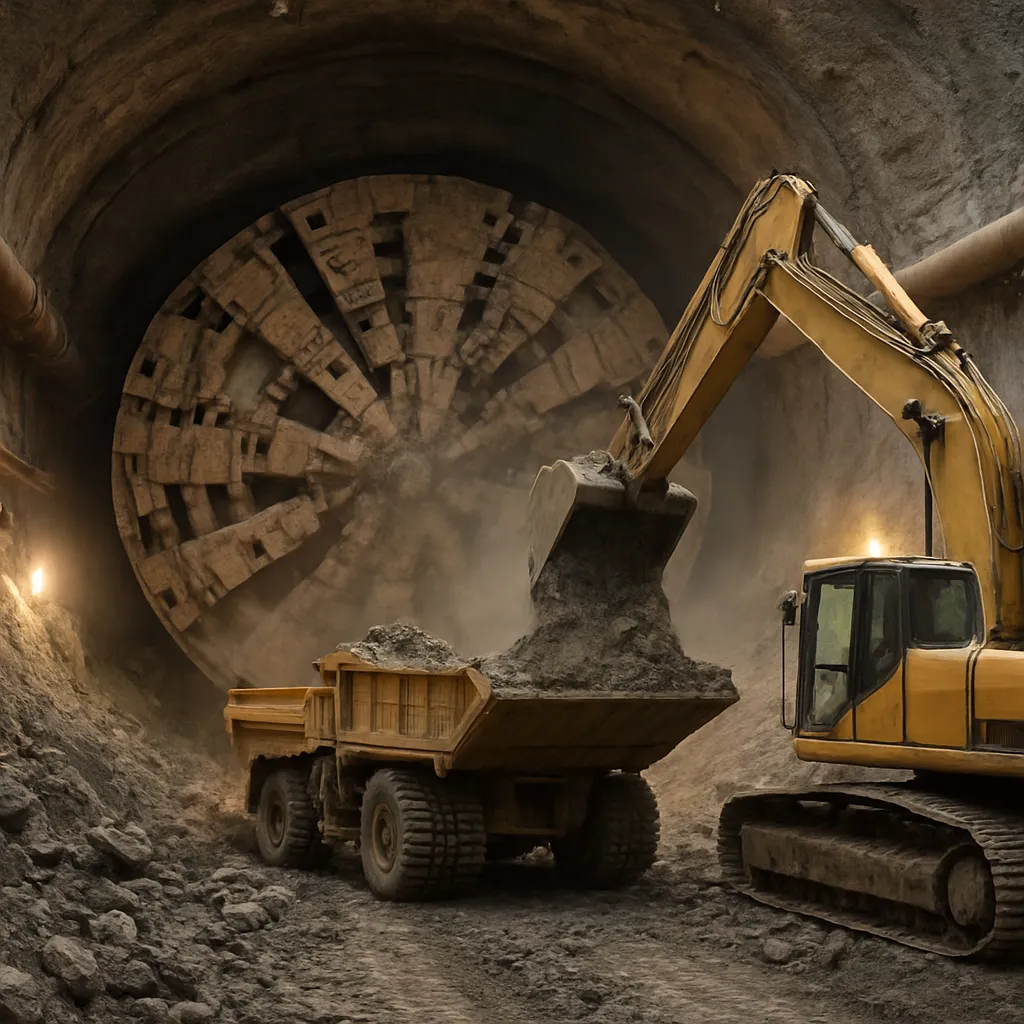
Before a dam can rise, the site must be transformed. Earthmoving operations begin with giant excavators stripping away surface material and exposing solid rock or compacted soil. These machines feature booms sometimes exceeding 15 meters in length, equipped with rock-breaking attachments or ultra-durable buckets. Coordinating with high-capacity bulldozers rated at over 1,000 horsepower, project crews sculpt the foundation trenches that will later support monumental volumes of concrete.
Key Equipment and Techniques
- Hydraulic Excavators: Deploying precision controls to carve out millions of cubic meters of earth, often in challenging terrain.
- Rock Drills and Breakers: Mounted on robust carriers, these tools fracture bedrock to manageable segments, speeding excavation cycles.
- Dump Trucks and Tunnel Boring Machines: Transporting spoil away and, in some cases, creating diversion channels for rivers.
Site engineers rely on GPS-guided systems to maintain sub-centimeter accuracy, ensuring that each cut aligns with the dam’s design profile. Environmental monitors often work in parallel, measuring vibrations and dust levels to minimize impacts on local ecosystems. This early phase sets the stage for structural integrity and long-term sustainability.
Concrete Placement and Structural Assembly
Once the groundwork is prepared, attention shifts to crafting the dam’s massive monolith. Concrete placement for a large gravity or arch dam can exceed 10,000 cubic meters per day, demanding a fleet of high-output batching plants, pump trucks, and placing booms. The concrete mix itself is optimized with admixtures that enhance strength, reduce thermal cracking, and improve durability.
Formwork and Pouring Operations
- Slip-Form Cranes: Continuously rising platforms that shape dam walls in one uninterrupted operation.
- Climbing Formwork Systems: Allowing horizontal pours while maintaining precise wall thickness and alignment.
- Concrete Cooling Pipes: Embedded within the structure to mitigate heat generation during curing.
Large-capacity cranes hoist prefabricated steel reinforcement cages into place, often weighing tens of tons each. Pumping lines snake across the construction zone, delivering concrete mixtures under high pressure to pour points hundreds of meters above. Temperature monitoring sensors embedded in the matrix feed real-time data to control rooms, ensuring the material cures uniformly and attains the designed strength. These steps are vital for a dam’s resilience under enormous hydrostatic loads.
Turbine Installation and Electromechanical Integration
With the dam shell complete, the focus turns inward to the powerhouse. Installing hydro turbines demands millimeter-level precision and coordination between heavy-lift equipment and specialist crews. Each turbine runner, often weighing upwards of 50 metric tons, must align exactly with its generator and draft tube to achieve peak efficiency.
Machinery and Alignment Practices
- Heavy-Lift Gantry Cranes: Traveling on rails above the powerhouse cavern, moving components with minimal clearance.
- Hydraulic Jacks and Laser Alignment Tools: Fine-tuning the position of turbine shafts to within microns.
- Vibration Analysis Techniques: Testing rotational balance before commissioning to prevent wear and optimize efficiency.
Electrical transformers, switchgear, and control systems follow, linked by kilometers of copper busbars and fiber-optic lines. Specialized cable reels and drum drivers ensure that high-voltage connections maintain integrity under thermal and mechanical stress. Commissioning teams simulate load conditions, verifying that each component reacts accurately to grid demands.
Environmental and Safety Protocols
Large-scale dam projects carry significant ecological and community impacts. Machinery at work must adhere to strict regulations governing noise, emissions, and water quality. Noise barriers, dust suppression systems, and low-emission engine standards help minimize disturbance.
Risk Management and Worker Protection
- Safety Training Programs: Equipping operators with skills to handle high-capacity machines safely.
- Remote-Controlled Equipment: Removing personnel from hazardous zones during blasting or deep excavation.
- Real-Time Monitoring: Using drones and sensors to detect structural shifts, gas leaks, or equipment failures.
Community liaison offices maintain dialogue with local stakeholders, addressing concerns related to resettlement or habitat alteration. Environmental impact assessments guide mitigation measures, such as fish passages, reforestation plans, and reservoir management strategies. Ensuring that each mechanical giant operates within ethical and ecological boundaries reflects a commitment to long-term safety and responsibility.