The integration of unmanned aerial vehicles and heavy equipment has revolutionized the way structures are brought to life. From initial site assessment to final finishes, these intelligent systems work in tandem to optimize processes, reduce errors, and maintain high standards of quality. In this article, we delve into the multifaceted world of machines at work, exploring how emerging technologies shape construction through advanced robotics, real-time monitoring, and forward-thinking strategies.
Technological Integration on Modern Construction Sites
Unmanned Aerial Systems Meet Ground Machinery
Construction sites have long relied on manual surveys and human-guided equipment. Today, the synergy between drones and automated machines streamlines every phase of a project. Automation empowers tasks that once demanded extensive manpower and time, while aerial platforms gather data at unprecedented speed and accuracy.
Role of Drones in Surveying and Mapping
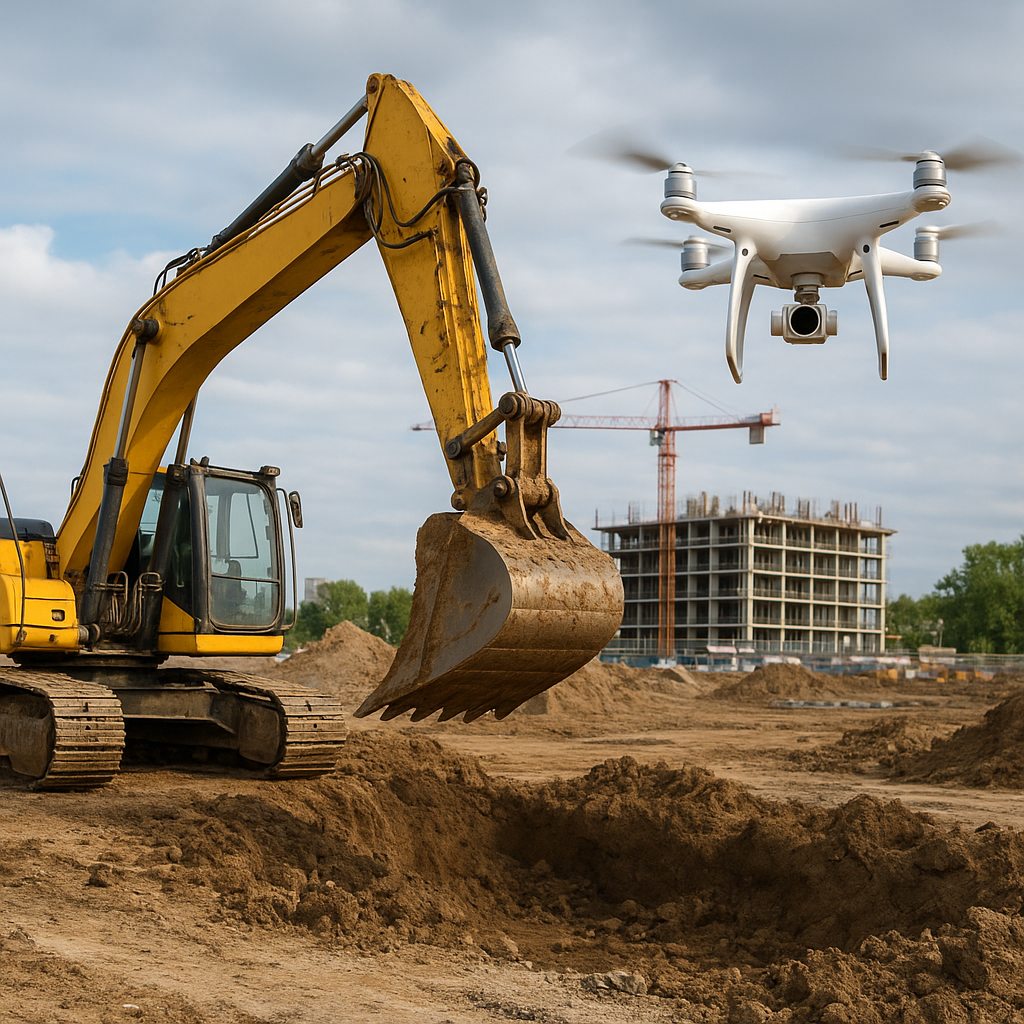
Drones equipped with LiDAR sensors and high-resolution cameras fly over uneven terrain to produce 3D models of the landscape. Key advantages include:
- High-precision topographic maps generated within hours rather than days
- Early detection of potential design conflicts before ground work begins
- Seamless integration with Building Information Modeling (BIM) software
By collecting real-time imagery and elevation data, drones ensure that excavators, bulldozers, and pavers operate with optimal guidance. This level of precision dramatically lowers material waste and avoids costly rework.
Ground-based Machines with Robotic Enhancements
Robotic arms, AI-powered control systems, and advanced sensors have been retrofitted onto traditional earth-moving equipment. These modifications introduce:
- Automated grading and leveling routines that follow digital terrain models
- Collision avoidance algorithms to protect workers and machinery
- Self-calibrating attachments for tasks like drilling, welding, or concrete pouring
When paired with drone surveys, such machines adjust operations dynamically. A feedback loop enables continuous collaboration—drones scan completed segments, software compares results to design blueprints, and machines receive updated instructions on the fly.
Enhancing Efficiency and Safety through Automation
Reducing Human Risk and Expediting Timelines
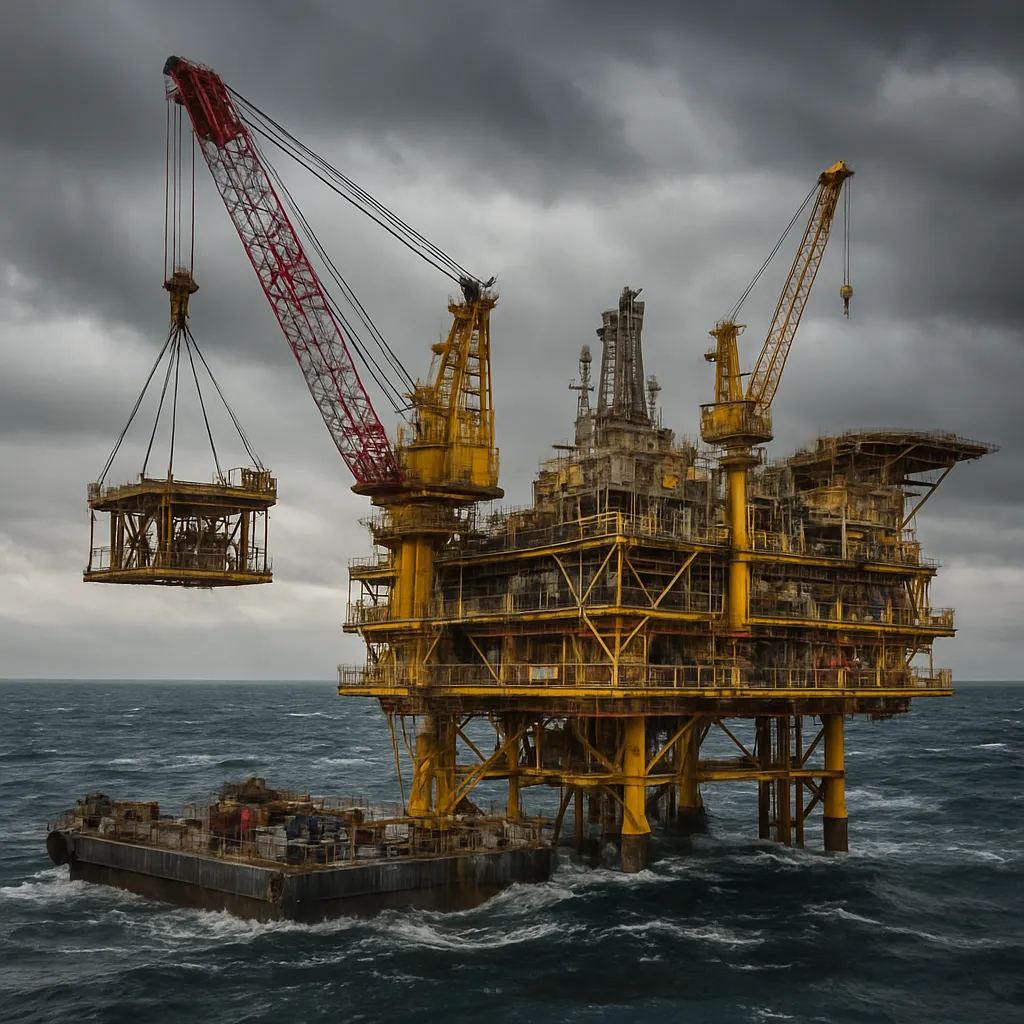
One of the most compelling benefits of machine collaboration is the enhanced level of safety on site. Heavy lifts, hazardous environments, and repetitive labor can be delegated to robots and drones under human supervision. This shift yields several gains:
Real-time Monitoring and Precision Execution
- Continuous site monitoring by drone fleets that detect deviations or hazards
- Automated quality checks ensuring each structural element meets tolerance levels
- Data analytics dashboards that alert project managers to performance trends
With advanced telemetry, machines adapt their movements to account for ground subsidence, unexpected obstacles, or severe weather. The productivity boost is striking: what may have taken weeks using manual methods can now be finalized in mere days.
Minimizing Exposure to Dangerous Conditions
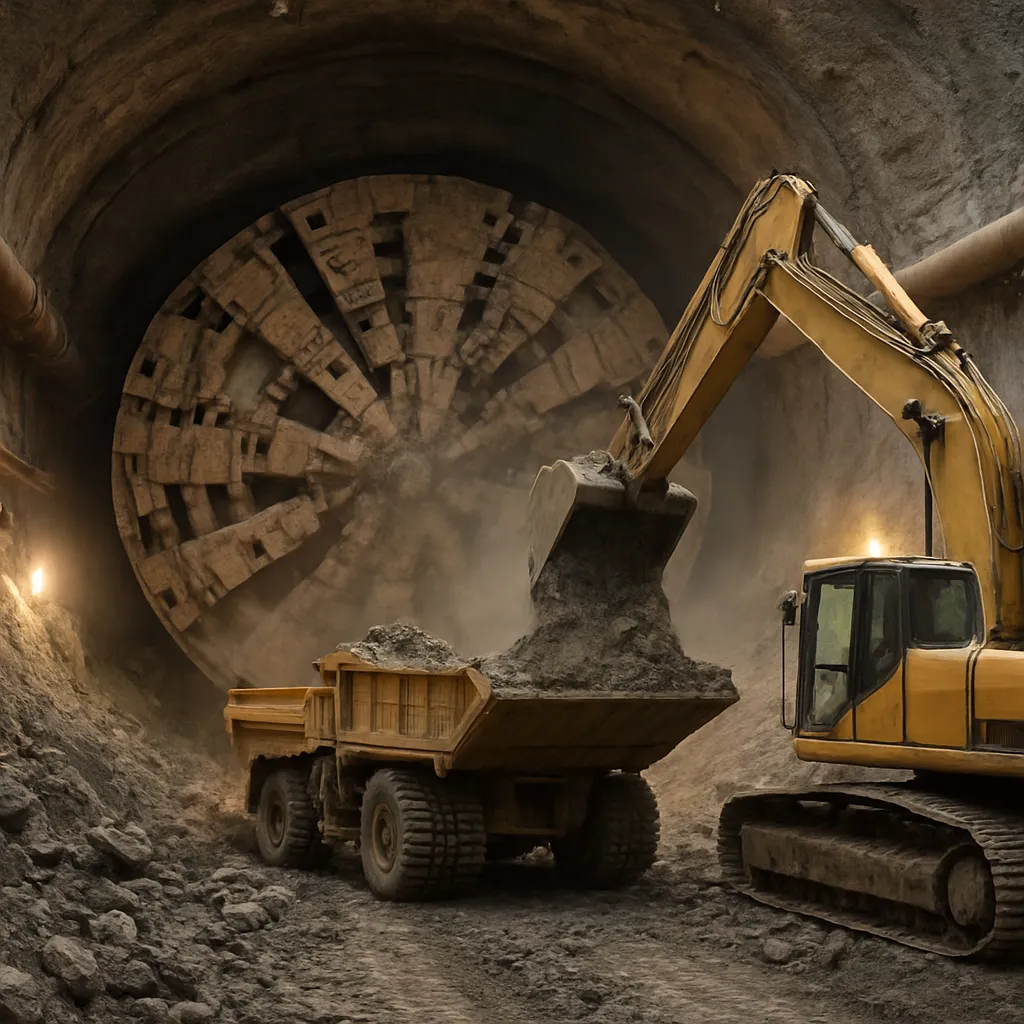
Chemical storage, high-elevation tasks, and subterranean excavations pose significant threats to onsite personnel. By deploying drones for initial inspections and sending robotic units into confined spaces, companies uphold stringent safety protocols. Key outcomes include:
- Lower incidence of workplace injuries and associated downtime
- Real-time alerts when gas concentrations exceed safe thresholds
- Remote operation capabilities that allow workers to stay out of harm’s way
This blend of machine autonomy and remote human oversight establishes a new standard for risk mitigation. Through continuous innovation, construction firms cultivate a culture rooted in both innovation and precaution.
The Future of Collaborative Robotics and Intelligence
Next-generation Onsite Ecosystems
As artificial intelligence matures, so does the potential for machines to make smarter decisions. The future construction site will be a network of independent agents—drones, excavators, welders—coordinating tasks with minimal human input. Several trends point the way forward:
AI-driven Decision Making
Machine learning models trained on historical project data can predict optimal scheduling, resource allocation, and risk factors. These insights enable:
- Dynamic task rescheduling in response to weather fluctuations or supply delays
- Predictive maintenance alerts that prevent unexpected equipment failures
- Automated cost-benefit analyses for selecting the best construction sequences
By harnessing vast datasets, systems refine their algorithms to continuously improve operational efficiency and financial performance.
Sustainable and Autonomous Workflows
Environmental stewardship has become a cornerstone of modern construction. Autonomous machines optimize material usage, reduce carbon emissions, and support green building certifications. Initiatives include:
- Electric and hybrid powertrains for excavators and lifts, cutting down fuel consumption
- Smart dust suppression techniques monitored by air-quality sensors on drones
- Optimized logistics using AI to minimize transport distances and idle time
The convergence of robotics, data analytics, and eco-friendly design reinforces long-term sustainability goals. As these technologies proliferate, they pave the way for truly autonomous job sites that balance environmental responsibility with peak productivity.
Interoperability and Standards
To realize these visions, industry stakeholders must adopt standardized communication protocols and open data formats. Interoperability ensures that drones from different manufacturers, robotic platforms, and software suites can seamlessly exchange information. Key focus areas include:
- Common APIs for task delegation and status reporting
- Unified coordinate systems for cross-device geospatial alignment
- Secure data encryption methods preserving project integrity
A robust framework of standards will accelerate collaboration across supply chains, attracting more investment in cutting-edge solutions. Ultimately, a cohesive ecosystem fosters continuous evolution and collective progress.